
Arcause Spotlight Explores Inclusive Urban Design
ECONOMY & POLICY

Arcause Spotlight Explores Inclusive Urban Design

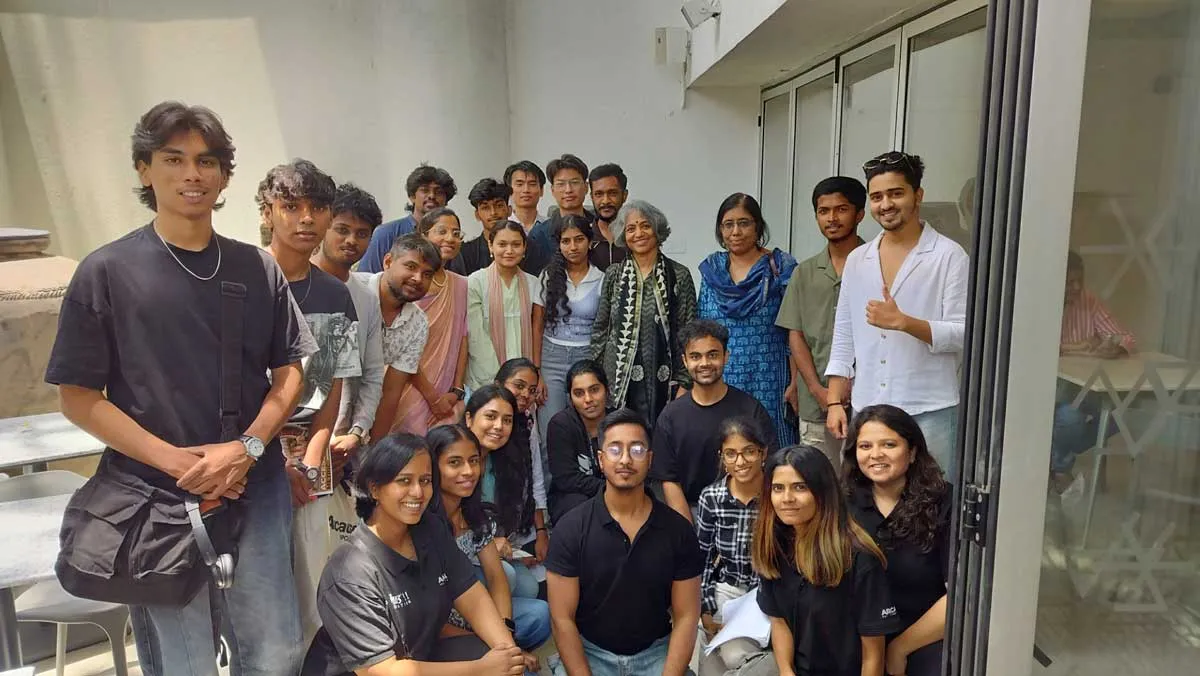
Arcause Spotlight 3.0 Bengaluru Edition brought together architecture and design students, architects, urban practitioners, faculty members, researchers and professionals for a day of learning and dialogue on accessibility, inclusive design, everyday urban life and heritage.

A key activity focused on accessibility and inclusive design across the Museum of Art & Photography, Cubbon Park and Cubbon Park Metro Station. Participants used observation and metric cards developed by Team Ethos to assess entrances, circulation, seating, tactile pathways, signage, sensory comfort and ease of independent movement.

The reflection session at MAP was facilitated by Rama Krishnamachari from DEOC, where participants discussed the difference between technical accessibility and lived accessibility, along with broader issues of inclusion, empathy and public space.

The Walkable Malleswaram session introduced participants to the neighbourhood’s heritage, community life and pedestrian experience. It highlighted citizen-led efforts to create safer and more accessible footpaths, including the transformation of conservancy service lanes into inclusive pedestrian routes.

Participants also joined a neighbourhood walk and stakeholder roleplay exercise to understand how vendors, elderly citizens, children, workers and pedestrians experience streets differently.

The heritage walk with INTACH Bengaluru took participants through K R Market, where they observed colonial remnants, an underused 1980s market building and the continuing vitality of the historic marketplace. The walk concluded at a historic armoury, where participants explored ideas for adaptive reuse and reflected on how heritage can become part of everyday urban life.

Arcause Spotlight 3.0 Bengaluru Edition brought together architecture and design students, architects, urban practitioners, faculty members, researchers and professionals for a day of learning and dialogue on accessibility, inclusive design, everyday urban life and heritage.A key activity focused on accessibility and inclusive design across the Museum of Art & Photography, Cubbon Park and Cubbon Park Metro Station. Participants used observation and metric cards developed by Team Ethos to assess entrances, circulation, seating, tactile pathways, signage, sensory comfort and ease of independent movement.The reflection session at MAP was facilitated by Rama Krishnamachari from DEOC, where participants discussed the difference between technical accessibility and lived accessibility, along with broader issues of inclusion, empathy and public space.The Walkable Malleswaram session introduced participants to the neighbourhood’s heritage, community life and pedestrian experience. It highlighted citizen-led efforts to create safer and more accessible footpaths, including the transformation of conservancy service lanes into inclusive pedestrian routes.Participants also joined a neighbourhood walk and stakeholder roleplay exercise to understand how vendors, elderly citizens, children, workers and pedestrians experience streets differently.The heritage walk with INTACH Bengaluru took participants through K R Market, where they observed colonial remnants, an underused 1980s market building and the continuing vitality of the historic marketplace. The walk concluded at a historic armoury, where participants explored ideas for adaptive reuse and reflected on how heritage can become part of everyday urban life.

Next Story
Building Material

Choosing the Right Tiles for Every Space

Finding the right tiles for your home often starts with a simple search for nearby tile stores. However, choosing the right tiles involves more than just selecting a store. You need to evaluate the suitability of materials, finishes, and design to ensure long-term performance. Each decision influences how your space looks and functions over time. Whether you are planning a minor upgrade or a complete renovation, a thoughtful approach helps you create a space that feels both practical and visually balanced.When you explore tile stores, you should focus on clarity rather than variety alone. A st..

Next Story
Real Estate

RERA-Agent Base Grows 19% in India

India’s RERA-registered real estate agent base crossed 100,000 in 2025, reflecting steady growth and increasing formalisation in the country’s real estate brokerage sector, according to research by eXp Realty India.The research analysed data from the Ministry of Housing and Urban Affairs (MoHUA) on agents registered under the Real Estate (Regulation and Development) Act between 2018 and 2025. The findings show that registered real estate agents increased from 27,073 in 2018 to 105,712 in 2025.The agent base grew by 19.1 per cent in the latest period, highlighting the rising scale of India..

Advertisement

Subscribe to Our Newsletter

Get daily newsletters around different themes from Construction world.

STAY CONNECTED

Advertisement

Advertisement

Advertisement