Railways Boost Cement Movement by 170 Per Cent and Eye Fly Ash
RAILWAYS & METRO RAIL

Railways Boost Cement Movement by 170 Per Cent and Eye Fly Ash

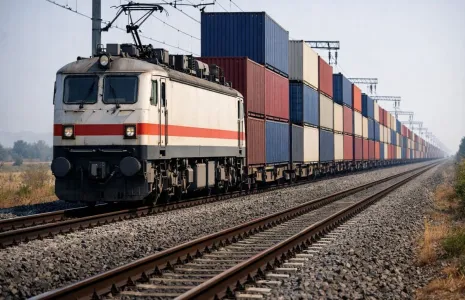
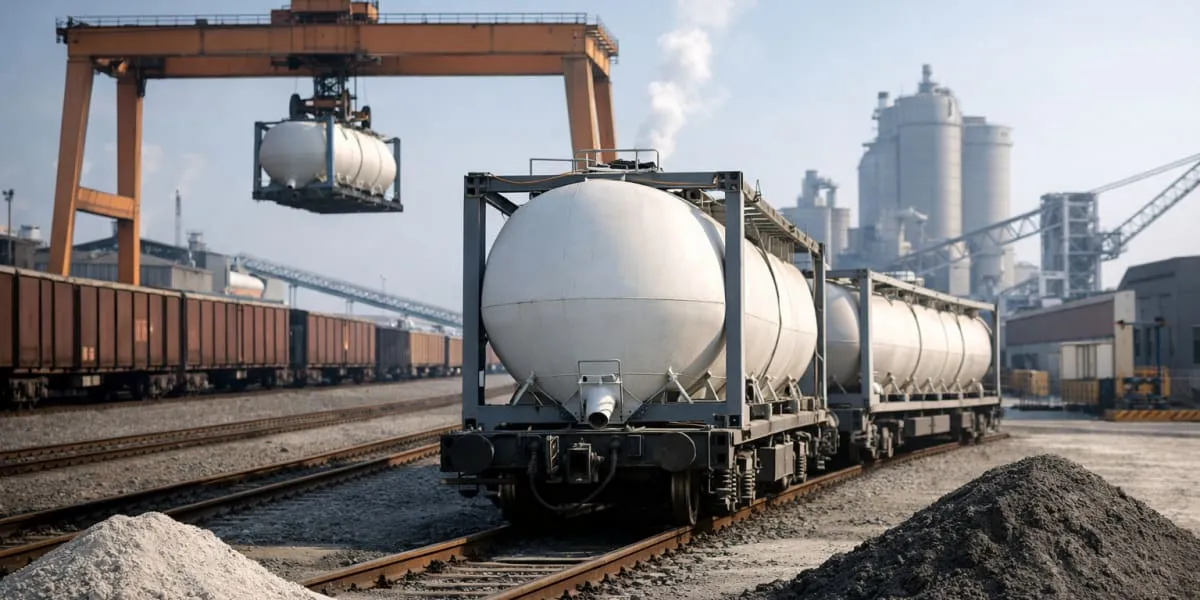
Indian Railways has recorded a 170 per cent rise in cement movement in the last four months after reforms launched in November to promote rail based bulk cement logistics. The Union Railway Minister, Ashwini Vaishnaw, reviewed the container sector reforms and their implementation and described the shift as improving plant to market efficiency. The reforms introduced customised bulk cement tank containers and a bulk cement terminal policy to support multimodal handling and door to door solutions.

The new system has simplified loading and unloading by enabling mechanised operations and by reducing package losses compared with bagged cement transport. Since cement can move directly from manufacturing centres to consumption centres in standardised tank containers compatible with Ready Mix Concrete machines, two stages of handling have been eliminated and material loss has been reduced. The standard shape of the containers facilitates faster turnaround and lowers logistics costs for suppliers and builders.

The improved freight turnaround is helping to lower the delivered cost of cement, which can ease pressure on housing costs for the poor and middle class and support affordable construction. The reform is said to be environment friendly as dust generation during material transfer has fallen and fuel consumption and emissions have reduced due to modal shift from road to rail. The Make in India tank containers are designed for seamless movement between train and trailer and to enable efficient door to door movement while cutting congestion on roads.

Building on the cement reforms, officials were urged to tap the fly ash transportation market to convert industrial waste into national wealth. The minister noted that nearly 300 million metric tonnes (mn t) of fly ash is produced in the country while only about 13 million t is transported by rail and asked officials to substantially increase Railways share to serve brick kilns, cement industries and construction sites. Wider utilisation of fly ash should reduce pollution, promote recycling and lower construction material costs while strengthening sustainable freight movement across infrastructure sectors.

Indian Railways has recorded a 170 per cent rise in cement movement in the last four months after reforms launched in November to promote rail based bulk cement logistics. The Union Railway Minister, Ashwini Vaishnaw, reviewed the container sector reforms and their implementation and described the shift as improving plant to market efficiency. The reforms introduced customised bulk cement tank containers and a bulk cement terminal policy to support multimodal handling and door to door solutions. The new system has simplified loading and unloading by enabling mechanised operations and by reducing package losses compared with bagged cement transport. Since cement can move directly from manufacturing centres to consumption centres in standardised tank containers compatible with Ready Mix Concrete machines, two stages of handling have been eliminated and material loss has been reduced. The standard shape of the containers facilitates faster turnaround and lowers logistics costs for suppliers and builders. The improved freight turnaround is helping to lower the delivered cost of cement, which can ease pressure on housing costs for the poor and middle class and support affordable construction. The reform is said to be environment friendly as dust generation during material transfer has fallen and fuel consumption and emissions have reduced due to modal shift from road to rail. The Make in India tank containers are designed for seamless movement between train and trailer and to enable efficient door to door movement while cutting congestion on roads. Building on the cement reforms, officials were urged to tap the fly ash transportation market to convert industrial waste into national wealth. The minister noted that nearly 300 million metric tonnes (mn t) of fly ash is produced in the country while only about 13 million t is transported by rail and asked officials to substantially increase Railways share to serve brick kilns, cement industries and construction sites. Wider utilisation of fly ash should reduce pollution, promote recycling and lower construction material costs while strengthening sustainable freight movement across infrastructure sectors.

Next Story
Building Material

Choosing the Right Tiles for Every Space

Finding the right tiles for your home often starts with a simple search for nearby tile stores. However, choosing the right tiles involves more than just selecting a store. You need to evaluate the suitability of materials, finishes, and design to ensure long-term performance. Each decision influences how your space looks and functions over time. Whether you are planning a minor upgrade or a complete renovation, a thoughtful approach helps you create a space that feels both practical and visually balanced.When you explore tile stores, you should focus on clarity rather than variety alone. A st..

Next Story
Real Estate

RERA-Agent Base Grows 19% in India

India’s RERA-registered real estate agent base crossed 100,000 in 2025, reflecting steady growth and increasing formalisation in the country’s real estate brokerage sector, according to research by eXp Realty India.The research analysed data from the Ministry of Housing and Urban Affairs (MoHUA) on agents registered under the Real Estate (Regulation and Development) Act between 2018 and 2025. The findings show that registered real estate agents increased from 27,073 in 2018 to 105,712 in 2025.The agent base grew by 19.1 per cent in the latest period, highlighting the rising scale of India..

Next Story
Infrastructure Urban

Arcause Spotlight Explores Inclusive Urban Design

Arcause Spotlight 3.0 Bengaluru Edition brought together architecture and design students, architects, urban practitioners, faculty members, researchers and professionals for a day of learning and dialogue on accessibility, inclusive design, everyday urban life and heritage.A key activity focused on accessibility and inclusive design across the Museum of Art & Photography, Cubbon Park and Cubbon Park Metro Station. Participants used observation and metric cards developed by Team Ethos to assess entrances, circulation, seating, tactile pathways, signage, sensory comfort and ease of independ..

Advertisement

Subscribe to Our Newsletter

Get daily newsletters around different themes from Construction world.

STAY CONNECTED

Advertisement

Advertisement

Advertisement