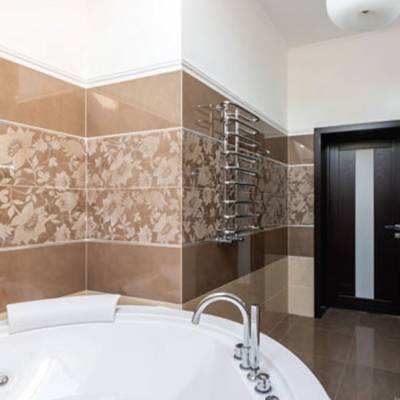
Finding the right tiles for your home often starts with a simple search for nearby tile stores. However, choosing the right tiles involves more than just selecting a store. You need to evaluate the suitability of materials, finishes, and design to ensure long-term performance. Each decision influences how your space looks and functions over time. Whether you are planning a minor upgrade or a complete renovation, a thoughtful approach helps you create a space that feels both practical and visually balanced.
When you explore
tile stores, you should focus on clarity rather than variety alone. A structured approach makes it easier to select a tile design that fits your space, lifestyle, and overall interior theme.
Understanding Your Space Before Visiting Tile Stores
Before you visit any store, you should clearly define what your space requires. Each area in your home has different functional demands, and your tile selection should reflect that.
Bathrooms require tiles that can withstand constant exposure to moisture and regular cleaning. Kitchens need surfaces that resist stains, heat, and spills from daily use. Living areas demand tiles that offer both durability and aesthetic appeal, especially in high-traffic zones. When you understand these requirements beforehand, you can filter options quickly and make more confident choices at tile stores.
Types of Tiles You Will Commonly Find
When you step into tile stores, you will encounter a wide range of materials. Understanding the purpose of each type helps you make practical and informed decisions.
- Ceramic tiles offer an affordable and easy-to-maintain option, ideal for walls and low-traffic areas.
- Vitrified tiles offer durability and low water absorption, making them suitable for floors and high-traffic areas.
- Porcelain tiles deliver strength and moisture resistance, making them well-suited for kitchens, bathrooms, and outdoor areas.
- Natural stone tiles create a distinctive, premium look and are often used for feature walls or statement spaces.
By understanding these options, you can match each tile type with the specific needs of your home.
Evaluating Tile Design: What to Look For?
Choosing the right
tiles design requires a balance between visual appeal and everyday functionality. You should not rely on appearance alone, as long-term usability matters just as much.
- Neutral tones help maintain a timeless and versatile look across different spaces.
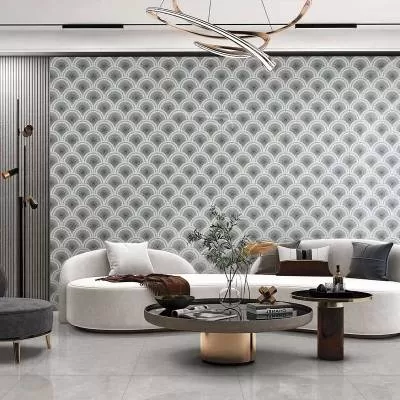
- Bold patterns or textured tiles can add character when used as accents rather than across large surfaces.
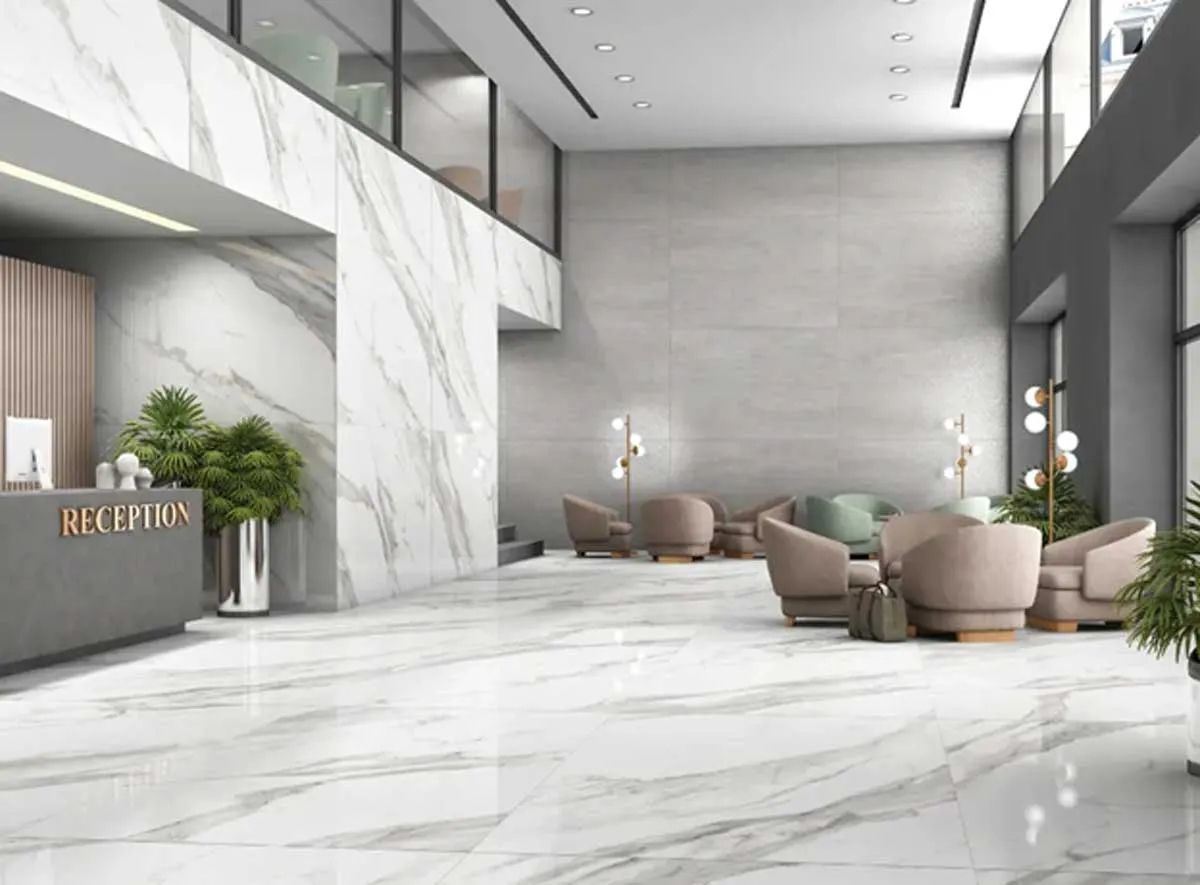
- Large-format tiles reduce grout lines and create a seamless finish, making rooms appear more spacious.
- Glossy finishes reflect light and help brighten a space.
- Matte finishes offer a subtle appearance along with better slip resistance.
When you combine these elements thoughtfully, you create a design that remains appealing and practical over time.
Key Factors to Compare Across Tile Stores
Not all tile stores offer the same experience, so you should evaluate them beyond just product displays. A few key factors can guide you towards the right choice.
- A wide product range allows you to explore multiple tile design options in one place.
- Consistent quality ensures durability and reliable performance over time.
- Expert guidance helps you select tiles suited to specific spaces and conditions.
- Ready availability prevents delays during installation.
- After-sales support becomes useful for replacements or additional requirements.
When you consider these aspects, you choose a store that supports your project from selection to completion.
Balancing Budget and Quality
You should approach tile selection with a long-term perspective rather than focusing only on initial cost. While budget matters, quality determines how well your tiles perform over time.
Lower-cost tiles may seem appealing at first, but they often require more maintenance or earlier replacement. High-quality tiles, on the other hand, offer better resistance to wear, moisture, and stains. This makes them a more reliable option for everyday use.
For instance, premium suppliers like Simpolo Tiles & Bathware offer advanced vitrified surfaces that combine durability with low water absorption and long-lasting performance. Such features help maintain both appearance and functionality over the years, making them a practical investment.
Practical Tips for Making the Final Choice
Before you finalise your purchase, you should follow a few practical steps to ensure better results and avoid common mistakes.
- Check tile samples under both natural and artificial lighting.
- Ask about slip resistance, especially for wet areas like bathrooms and kitchens.
- Confirm tile thickness and durability ratings.
- Choose grout colours that complement your tile's design.
- Buy slightly more tiles than required to account for cutting and future repairs.
These simple steps help you achieve a smoother installation process and a more polished outcome.
Conclusion
Choosing the right tiles involves careful planning and informed decision-making. When you explore tile stores with a clear understanding of your needs, compare materials thoughtfully, and evaluate both quality and design, you create a space that works well in the long run. The right tile design enhances not only the appearance of your home but also its durability, ensuring a balanced and well-finished result.