BEST boosts Mumbai commute with 10 New AC double-decker buses
ECONOMY & POLICY

BEST boosts Mumbai commute with 10 New AC double-decker buses

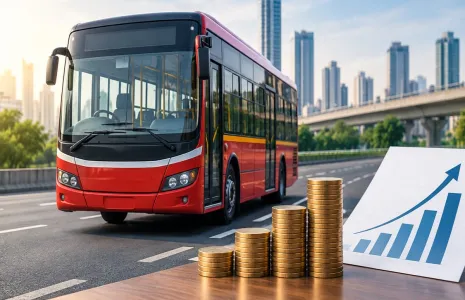
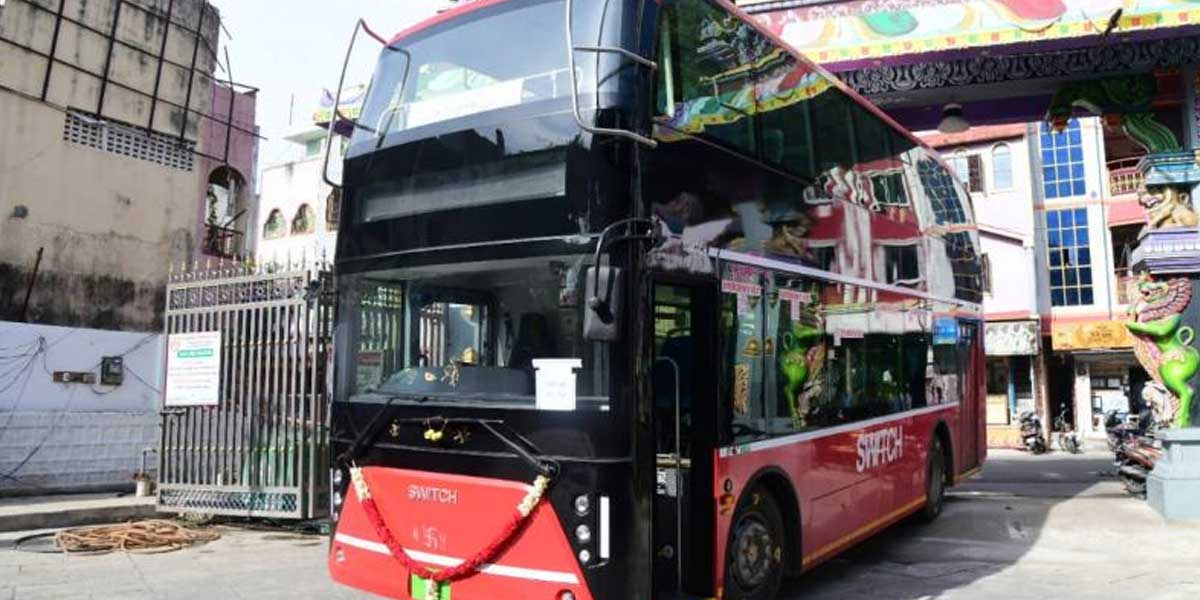
The Brihanmumbai Electric Supply and Transport Undertaking (BEST) has taken significant strides to enhance its bus services in Mumbai. In an official statement, BEST announced the introduction of 10 additional air-conditioned double-decker buses in Kurla and Bandra Kurla Complex. This initiative comes as a relief to suburban commuters, especially after the withdrawal of all non-AC double-decker buses in October.

At present, BEST boasts a fleet of 39 AC double-decker buses out of the total 200 buses ordered from SWITCH Mobility. Currently, 20 of these buses operate in the island city, and 10 serve the suburbs of Mumbai. The remaining nine buses will be gradually incorporated into the fleet based on demand. The delivery of all remaining AC double-decker buses is anticipated to be completed by March 2024. These buses will operate from the 12 depots managed by BEST, significantly enhancing public transport services in Mumbai.

Under the wet lease arrangement, the contractor assumes responsibilities such as paying crew salaries and covering operational costs, including fuel and maintenance. BEST, facing financial challenges opted for this approach to add more electric buses to its fleet and reduce costs. BEST, often regarded as the second lifeline of Mumbaikars after local trains, is currently operating 3,100 buses. Approximately 1,600 buses are under its ownership, while the rest are operated under wet lease agreements.

BEST's buses are popular among commuters due to their affordable ticket prices, ranging from a minimum of Rs 6 to a maximum of Rs 25. This affordability, coupled with the extensive network and reliability, makes BEST a preferred mode of transport in the city. The buses cater to a massive ridership of more than 30 lakh passengers every day, solidifying their status as a vital part of Mumbai's public transportation system.

The Brihanmumbai Electric Supply and Transport Undertaking (BEST) has taken significant strides to enhance its bus services in Mumbai. In an official statement, BEST announced the introduction of 10 additional air-conditioned double-decker buses in Kurla and Bandra Kurla Complex. This initiative comes as a relief to suburban commuters, especially after the withdrawal of all non-AC double-decker buses in October. At present, BEST boasts a fleet of 39 AC double-decker buses out of the total 200 buses ordered from SWITCH Mobility. Currently, 20 of these buses operate in the island city, and 10 serve the suburbs of Mumbai. The remaining nine buses will be gradually incorporated into the fleet based on demand. The delivery of all remaining AC double-decker buses is anticipated to be completed by March 2024. These buses will operate from the 12 depots managed by BEST, significantly enhancing public transport services in Mumbai. Under the wet lease arrangement, the contractor assumes responsibilities such as paying crew salaries and covering operational costs, including fuel and maintenance. BEST, facing financial challenges opted for this approach to add more electric buses to its fleet and reduce costs. BEST, often regarded as the second lifeline of Mumbaikars after local trains, is currently operating 3,100 buses. Approximately 1,600 buses are under its ownership, while the rest are operated under wet lease agreements. BEST's buses are popular among commuters due to their affordable ticket prices, ranging from a minimum of Rs 6 to a maximum of Rs 25. This affordability, coupled with the extensive network and reliability, makes BEST a preferred mode of transport in the city. The buses cater to a massive ridership of more than 30 lakh passengers every day, solidifying their status as a vital part of Mumbai's public transportation system.

Next Story
Infrastructure Urban

Implementation Status of Jal Jeevan Mission

Since August 2019 the Government has implemented Jal Jeevan Mission to provide assured potable water through household tap connections in rural India. At the start of the mission only 32.3 million (mn) rural households, representing 16.7 per cent, were reported to have tap water connections. States and union territories have reported that 125.8 mn additional rural households have since been provided with tap connections. As a result, of about 193.6 mn rural households roughly 158.2 mn, or 81.71 per cent, are reported to have tap water supply at home.\n\nThe State, district and village level st..

Next Story
Infrastructure Urban

Jal Jeevan Mission Reaches Eighty One Per Cent Rural Coverage

The Government reported substantial progress under the Jal Jeevan Mission, launched in August 2019 to provide tap water to every rural household. At launch only 32.3 million (mn) rural households had tap connections and states and Union territories reported provision of 125.8 mn additional households by March 2026. Consequently, out of about 193.6 mn rural households around 158.2 mn, or 81.71 per cent, are reported to have tap water at home. The Finance Minister announced extension of the mission until 2028 in the 2025-26 budget speech. The Swachh Bharat Mission Grameen, launched in October 20..

Next Story
Infrastructure Urban

Empowering Local Governance for Sustainable Rural Water Supply

The Ministry of Jal Shakti has aligned the Jal Jeevan Mission (JJM) with the 73rd Amendment to strengthen village level planning and community ownership of water supply. Gram Panchayats, village water and sanitation committees and Pani Samitis are to plan, implement, manage and maintain piped water systems, with gram sabha processes formalising handover and oversight. Implementation support agencies including non government organisations, community based organisations and self help groups have been empanelled to train local committees and promote women participation. Under JJM, the department ..

Advertisement

Subscribe to Our Newsletter

Get daily newsletters around different themes from Construction world.

STAY CONNECTED

Advertisement

Advertisement

Advertisement