Centre Expands Projects to Improve Groundwater Levels Nationwide
WATER & WASTE

Centre Expands Projects to Improve Groundwater Levels Nationwide

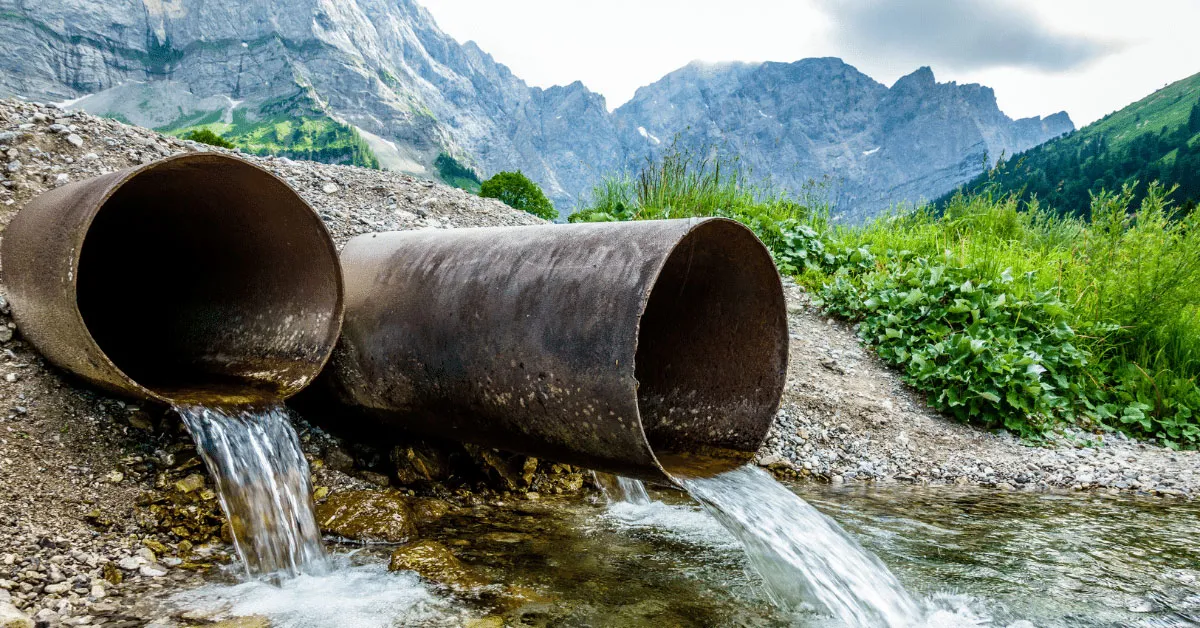
With groundwater management falling under State responsibility, the Central Government continues to support States through technical and financial assistance aimed at improving groundwater levels across the country. The Ministry of Jal Shakti is implementing several schemes that focus on recharge, conservation and scientific monitoring.

Jal Shakti Abhiyan, launched in 2019, remains a major national campaign promoting rainwater harvesting and groundwater recharge through convergence of local schemes. The 2025 phase prioritises over-exploited and critical districts and emphasises construction and restoration of rooftop harvesting systems and water-conservation structures. To further strengthen this movement, the Jal Sanchay Jan Bhagidari initiative—launched recently by the Prime Minister—seeks to build community ownership for rainwater harvesting through locally tailored solutions.

Groundwater monitoring and regulation continue under the Central Ground Water Board’s Ground Water Management and Regulation scheme. Following the completion of NAQUIM 1.0, which mapped India’s aquifers, the Board has now initiated NAQUIM 2.0 to focus on water-stressed and quality-affected pockets. The Atal Bhujal Yojana has also demonstrated the success of community-led groundwater management across 80 districts, supporting the construction of recharge structures and the adoption of micro-irrigation.

The Department of Agriculture and Farmers’ Welfare continues to implement Per Drop More Crop, which promotes micro-irrigation to enhance water-use efficiency. The Ministry of Housing and Urban Affairs is piloting the Shallow Aquifer Management project to rejuvenate shallow aquifers in urban areas and strengthen city-level water security.

States have undertaken notable local initiatives for water conservation, including Mukhyamantri Jal Swavlamban Abhiyan in Rajasthan, Jalyukt Shivar in Maharashtra, Sujalam Sufalam in Gujarat, Mission Kakatiya in Telangana, Neeru Chettu in Andhra Pradesh, Jal Jeevan Hariyali in Bihar, Jal Hi Jeevan in Haryana and Kudimaramath in Tamil Nadu.

Efforts to deepen and rejuvenate water bodies continue through national schemes. Mission Amrit Sarovar has led to the construction or revival of nearly 69,000 water bodies, enhancing storage and recharge. Repair, Renovation and Restoration of Water Bodies under PMKSY supports desiltation and restoration of traditional tanks, while DRIP Phases II and III include provision for need-based reservoir desiltation. AMRUT 2.0 promotes rejuvenation of urban ponds and wells and encourages wastewater recycling. Under MGNREGS, extensive water-conservation and desiltation works have been carried out in rural areas.

The Ministry is also adopting new technologies for river and water-body rejuvenation through the Namami Gange programme. These include multi-storey sewage treatment plants, nature-based constructed wetlands, packaged Johkasou systems, advanced oxidation processes, electrocoagulation and mandatory tertiary treatment to meet stringent discharge norms.

With groundwater management falling under State responsibility, the Central Government continues to support States through technical and financial assistance aimed at improving groundwater levels across the country. The Ministry of Jal Shakti is implementing several schemes that focus on recharge, conservation and scientific monitoring. Jal Shakti Abhiyan, launched in 2019, remains a major national campaign promoting rainwater harvesting and groundwater recharge through convergence of local schemes. The 2025 phase prioritises over-exploited and critical districts and emphasises construction and restoration of rooftop harvesting systems and water-conservation structures. To further strengthen this movement, the Jal Sanchay Jan Bhagidari initiative—launched recently by the Prime Minister—seeks to build community ownership for rainwater harvesting through locally tailored solutions. Groundwater monitoring and regulation continue under the Central Ground Water Board’s Ground Water Management and Regulation scheme. Following the completion of NAQUIM 1.0, which mapped India’s aquifers, the Board has now initiated NAQUIM 2.0 to focus on water-stressed and quality-affected pockets. The Atal Bhujal Yojana has also demonstrated the success of community-led groundwater management across 80 districts, supporting the construction of recharge structures and the adoption of micro-irrigation. The Department of Agriculture and Farmers’ Welfare continues to implement Per Drop More Crop, which promotes micro-irrigation to enhance water-use efficiency. The Ministry of Housing and Urban Affairs is piloting the Shallow Aquifer Management project to rejuvenate shallow aquifers in urban areas and strengthen city-level water security. States have undertaken notable local initiatives for water conservation, including Mukhyamantri Jal Swavlamban Abhiyan in Rajasthan, Jalyukt Shivar in Maharashtra, Sujalam Sufalam in Gujarat, Mission Kakatiya in Telangana, Neeru Chettu in Andhra Pradesh, Jal Jeevan Hariyali in Bihar, Jal Hi Jeevan in Haryana and Kudimaramath in Tamil Nadu. Efforts to deepen and rejuvenate water bodies continue through national schemes. Mission Amrit Sarovar has led to the construction or revival of nearly 69,000 water bodies, enhancing storage and recharge. Repair, Renovation and Restoration of Water Bodies under PMKSY supports desiltation and restoration of traditional tanks, while DRIP Phases II and III include provision for need-based reservoir desiltation. AMRUT 2.0 promotes rejuvenation of urban ponds and wells and encourages wastewater recycling. Under MGNREGS, extensive water-conservation and desiltation works have been carried out in rural areas. The Ministry is also adopting new technologies for river and water-body rejuvenation through the Namami Gange programme. These include multi-storey sewage treatment plants, nature-based constructed wetlands, packaged Johkasou systems, advanced oxidation processes, electrocoagulation and mandatory tertiary treatment to meet stringent discharge norms.

Next Story
Infrastructure Transport

Hejamadi Kodi Harbour Project Records 87% Progress in Karnataka

The Department of Fisheries has reported significant progress on the Hejamadi Kodi fishing harbour development in Udupi district, Karnataka. The project was granted administrative approval in August 2018 for the upgrade of the existing fish landing centre at a total cost of Rs 1.38 billion, with Rs 346.5 million sanctioned as financial assistance under the Sagarmala Scheme. The Department of Fisheries, Government of Karnataka, acting as the implementing agency, has indicated that physical progress stands at 87 per cent, with the project scheduled for completion by March 2026. The upgrade aims..

Next Story
Infrastructure Transport

India Expands Global Partnerships in Ports and Maritime Logistics

The Government has expanded international engagement across ports, shipping and maritime geo-logistics through collaborations with foreign governments, multilateral institutions and global maritime industry partners. The partnerships span port modernisation, shipping-infrastructure development, digitisation, green-shipping initiatives and maritime skill development. Recent engagements include the India–Russia cooperation on the Northern Sea Route and Eastern Maritime Corridor, training of Indian seafarers in polar waters, the Indo-Danish Centre of Excellence in Green Shipping and the India..

Next Story
Building Material

NSL Posts Best-Ever November Output Across Key Steel Units

NMDC Steel (NSL), India’s youngest integrated steel plant, has reported its strongest November performance, marking record achievements across multiple operational units. The company highlighted sustained process stability, improved efficiency and rising capacity utilisation as key drivers of its milestone output. The Raw Material Handling System recorded its highest-ever daily wagon-tippling figure with 616 wagons handled on 21 November 2025, while Base Mix production for the month reached a peak of 5,18,886 tonnes. At the Sinter Plant, NSL set new day and monthly records with 15,590 tonne..

Advertisement

Subscribe to Our Newsletter

Get daily newsletters around different themes from Construction world.

STAY CONNECTED

Advertisement

Advertisement

Advertisement

Advertisement

Open In App