Centre Strengthens PAHAL Scheme To Improve LPG Subsidy Delivery
ECONOMY & POLICY

Centre Strengthens PAHAL Scheme To Improve LPG Subsidy Delivery

The Direct Benefit Transfer of LPG (DBTL)–PAHAL Scheme, in operation since January 2015, ensures transparent and efficient transfer of LPG subsidies across the country. Under PAHAL, domestic LPG cylinders are sold at a uniform retail selling price, with eligible consumers receiving their subsidy directly into their bank accounts.

The Government continues to introduce measures to make LPG distribution and subsidy transfers more transparent, inclusive and accurate. Aadhaar-based verification, biometric authentication and the removal of ineligible or duplicate connections have significantly strengthened the targeted subsidy framework. PAHAL has been particularly effective in identifying and blocking ghost accounts, multiple connections and inactive beneficiaries, reducing the diversion of subsidised LPG for commercial use.

A key reform has been the Common LPG Database Platform (CLDP), which enables systematic de-duplication of LPG connections by matching Aadhaar details, bank account information, household lists, ration card data, names and addresses. This has helped streamline consumer records and ensure that only eligible beneficiaries continue to access the scheme.

Biometric Aadhaar authentication has also been prioritised for Pradhan Mantri Ujjwala Yojana (PMUY) and PAHAL beneficiaries. As of 1 November 2025, biometric authentication has been completed for 69 per cent of existing PMUY users, while all new PMUY beneficiaries undergo mandatory biometric verification before receiving their connection.

Efforts to weed out ineligible consumers continue. Since the rollout of PAHAL, 8.63 lakh PMUY connections have been terminated due to duplication or ineligibility. Additionally, in January 2025, a Standard Operating Procedure was issued to remove PMUY beneficiaries who had not taken any refill after their initial cylinder installation. Following this, nearly 20,000 inactive PMUY accounts were terminated by 1 November 2025.

A third-party evaluation conducted by the Research and Development Initiative found that more than 90 per cent of surveyed consumers were satisfied with the subsidy reimbursement system. The study recommends strengthening payment infrastructure, improving grievance redressal mechanisms and targeting subsidies more effectively towards economically weaker households. It also highlights the need for expanding safety awareness and improving communication in local languages.

To enhance consumer support, the LPG grievance redressal system has been expanded. Consumers can register complaints through multiple channels, including a dedicated toll-free helpline (1800 2333 555), OMC websites and mobile apps, CPGRAMS, chatbots, WhatsApp, social media platforms and at distributor offices. A dedicated emergency helpline (1906) is available for LPG leakages and accidents. Consumers can also provide feedback on complaint resolution and request reopening of unresolved cases.

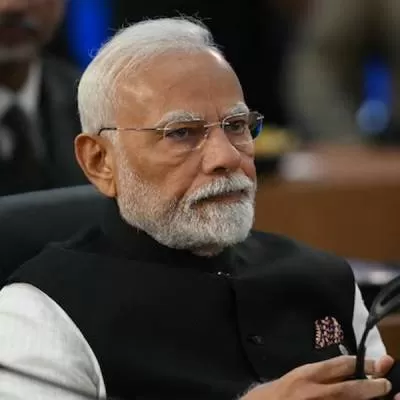
This information was provided by the Minister of State in the Ministry of Petroleum and Natural Gas, Shri Suresh Gopi, in a written reply in the Rajya Sabha.

The Direct Benefit Transfer of LPG (DBTL)–PAHAL Scheme, in operation since January 2015, ensures transparent and efficient transfer of LPG subsidies across the country. Under PAHAL, domestic LPG cylinders are sold at a uniform retail selling price, with eligible consumers receiving their subsidy directly into their bank accounts. The Government continues to introduce measures to make LPG distribution and subsidy transfers more transparent, inclusive and accurate. Aadhaar-based verification, biometric authentication and the removal of ineligible or duplicate connections have significantly strengthened the targeted subsidy framework. PAHAL has been particularly effective in identifying and blocking ghost accounts, multiple connections and inactive beneficiaries, reducing the diversion of subsidised LPG for commercial use. A key reform has been the Common LPG Database Platform (CLDP), which enables systematic de-duplication of LPG connections by matching Aadhaar details, bank account information, household lists, ration card data, names and addresses. This has helped streamline consumer records and ensure that only eligible beneficiaries continue to access the scheme. Biometric Aadhaar authentication has also been prioritised for Pradhan Mantri Ujjwala Yojana (PMUY) and PAHAL beneficiaries. As of 1 November 2025, biometric authentication has been completed for 69 per cent of existing PMUY users, while all new PMUY beneficiaries undergo mandatory biometric verification before receiving their connection. Efforts to weed out ineligible consumers continue. Since the rollout of PAHAL, 8.63 lakh PMUY connections have been terminated due to duplication or ineligibility. Additionally, in January 2025, a Standard Operating Procedure was issued to remove PMUY beneficiaries who had not taken any refill after their initial cylinder installation. Following this, nearly 20,000 inactive PMUY accounts were terminated by 1 November 2025. A third-party evaluation conducted by the Research and Development Initiative found that more than 90 per cent of surveyed consumers were satisfied with the subsidy reimbursement system. The study recommends strengthening payment infrastructure, improving grievance redressal mechanisms and targeting subsidies more effectively towards economically weaker households. It also highlights the need for expanding safety awareness and improving communication in local languages. To enhance consumer support, the LPG grievance redressal system has been expanded. Consumers can register complaints through multiple channels, including a dedicated toll-free helpline (1800 2333 555), OMC websites and mobile apps, CPGRAMS, chatbots, WhatsApp, social media platforms and at distributor offices. A dedicated emergency helpline (1906) is available for LPG leakages and accidents. Consumers can also provide feedback on complaint resolution and request reopening of unresolved cases. This information was provided by the Minister of State in the Ministry of Petroleum and Natural Gas, Shri Suresh Gopi, in a written reply in the Rajya Sabha.

Next Story
Real Estate

Modon, Related, Panepinto form JV for Harborside 4 in Jersey City

Abu Dhabi-based Modon Holding PSC has formed a joint venture with US real estate major Related Companies and Jersey City-based Panepinto Properties to develop Harborside 4, a 54-storey luxury residential tower on a prime waterfront site in downtown Jersey City, New Jersey.Under the partnership, Modon will hold a majority equity stake alongside Related and Panepinto, marking another step in the group’s strategy to scale and diversify its global real estate portfolio. The project will be developed on one of the last remaining premium waterfront parcels in the city.Designed by Handel Architects..

Next Story
Infrastructure Urban

P+Ex and Post-Tensioning Institute partner to drive sustainability

P+Ex, the Center of Excellence for Concrete Preservation and Service Life Extension, has announced a strategic partnership with the Post-Tensioning Institute (PTI) aimed at advancing sustainability, durability, and resilience in the built environment.The collaboration brings together P+Ex’s expertise in concrete preservation, repair, and service life extension with PTI’s global leadership in post-tensioning technology. Through this alliance, the two organisations will work to advance best practices in durability-focused design for new structures, while also promoting effective repair, reha..

Next Story
Infrastructure Energy

India’s Largest 2,000 MW Subansiri Hydro Project Turns Operational

India’s largest hydropower project, the 2,000 MW Subansiri Lower Hydroelectric Project, has finally become operational with the commissioning of its first unit, marking a major milestone after nearly 20 years of development marked by delays, protests and cost escalation.The 250 MW Unit-2 of the project, located on the Subansiri River at Gerukamukh on the Assam–Arunachal Pradesh border, was virtually inaugurated from New Delhi by Union Minister of Power Manohar Lal Khattar. The event was attended by Pankaj Agarwal, Secretary (Power), and Bhupender Gupta, Chairman and Managing Director, Nati..

Advertisement

Subscribe to Our Newsletter

Get daily newsletters around different themes from Construction world.

STAY CONNECTED

Advertisement

Advertisement

Advertisement

Advertisement

Open In App