Climate Exposure Puts Rajasthan Gujarat and Arunachal at Risk
ECONOMY & POLICY

Climate Exposure Puts Rajasthan Gujarat and Arunachal at Risk

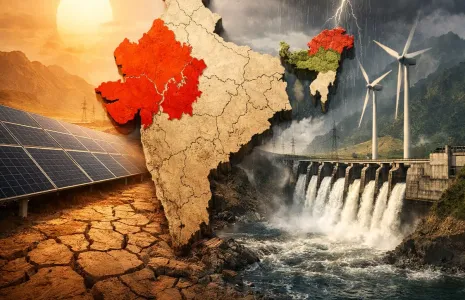
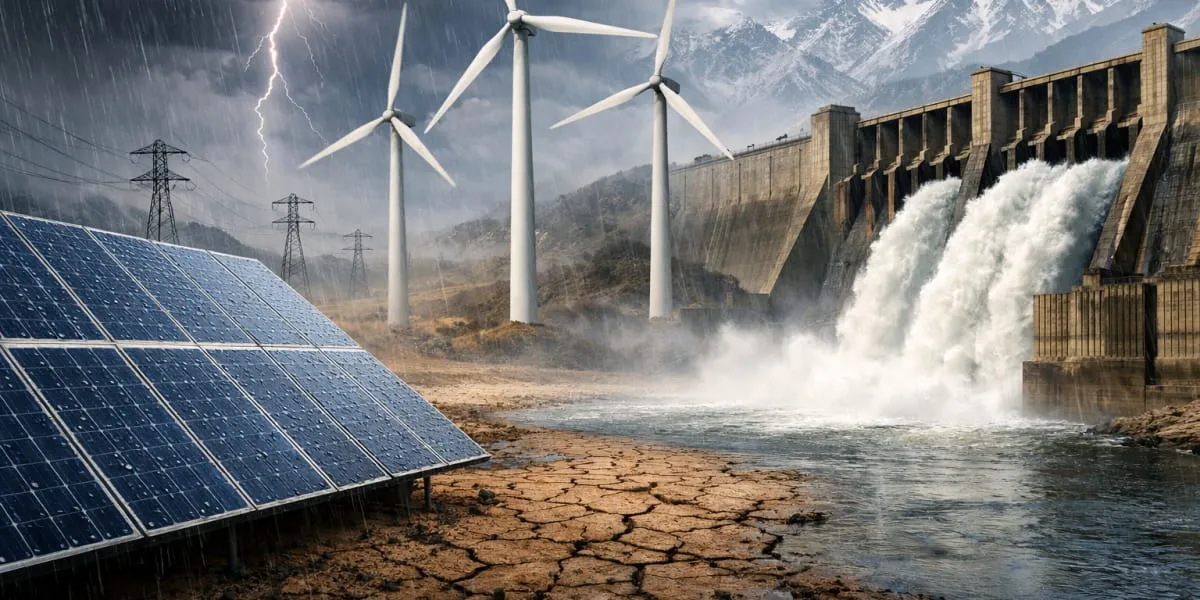
A recent report places Rajasthan, Gujarat and Arunachal Pradesh at the centre of India's renewable risk map, identifying state level exposure that could affect generation assets and transmission infrastructure. The analysis assessed the vulnerability of solar, wind and hydropower installations to climate hazards and considered effects on grid stability and energy security. The findings indicate that concentrated exposure is emerging as a material risk for renewables development and operations.

In Rajasthan the report identified extreme heat and prolonged dry spells as principal threats to solar yield and thermal management of equipment, while Gujarat's coastal exposure was linked to heightened risk from cyclonic activity and storm surge impacting wind farms and coastal transmission corridors. Arunachal Pradesh was highlighted for its sensitivity to monsoon variability and altered river flows, which could undermine hydropower generation and reservoir management. The report also noted that overlapping hazards can amplify risk at substate level.

The analysis suggested that investors and utilities need to incorporate state specific climate scenarios into planning and asset valuation to avoid stranded assets and ensure reliable supply. It recommended that developers adopt diversified portfolios, design standards for resilience, and enhanced operation and maintenance practices to mitigate performance deterioration. Grid operators were urged to prioritise transmission reinforcement and flexible balancing resources to manage variability and extreme events.

Policy responses called for strengthened state level planning, risk disclosure requirements and dedicated finance mechanisms to support retrofits and adaptive projects. The report emphasised the importance of data driven monitoring and cross jurisdictional coordination to align renewable targets with climate resilience objectives. Stakeholders were advised to accelerate integration of resilience measures to safeguard the transition to low carbon energy.

"Join industry leaders at RAHSTA Expo, India's premier platform for roads, highways and traffic infrastructure. Register now to explore innovations, network with experts and shape the future of mobility."

A recent report places Rajasthan, Gujarat and Arunachal Pradesh at the centre of India's renewable risk map, identifying state level exposure that could affect generation assets and transmission infrastructure. The analysis assessed the vulnerability of solar, wind and hydropower installations to climate hazards and considered effects on grid stability and energy security. The findings indicate that concentrated exposure is emerging as a material risk for renewables development and operations. In Rajasthan the report identified extreme heat and prolonged dry spells as principal threats to solar yield and thermal management of equipment, while Gujarat's coastal exposure was linked to heightened risk from cyclonic activity and storm surge impacting wind farms and coastal transmission corridors. Arunachal Pradesh was highlighted for its sensitivity to monsoon variability and altered river flows, which could undermine hydropower generation and reservoir management. The report also noted that overlapping hazards can amplify risk at substate level. The analysis suggested that investors and utilities need to incorporate state specific climate scenarios into planning and asset valuation to avoid stranded assets and ensure reliable supply. It recommended that developers adopt diversified portfolios, design standards for resilience, and enhanced operation and maintenance practices to mitigate performance deterioration. Grid operators were urged to prioritise transmission reinforcement and flexible balancing resources to manage variability and extreme events. Policy responses called for strengthened state level planning, risk disclosure requirements and dedicated finance mechanisms to support retrofits and adaptive projects. The report emphasised the importance of data driven monitoring and cross jurisdictional coordination to align renewable targets with climate resilience objectives. Stakeholders were advised to accelerate integration of resilience measures to safeguard the transition to low carbon energy.

Next Story
Products

AFC Furniture Targets Pune and Nagpur Expansion

AFC Furniture Solutions has announced its expansion into Maharashtra's key commercial hubs, targeting Pune's technology corridors and Nagpur's Multi-modal International Cargo Hub and Airport (MIHAN) as part of its western India growth strategy.The company expects western India to contribute 25–30 per cent of its revenue, supported by demand from over 900 companies across Hinjewadi's Special Economic Zone (SEZ) and non-SEZ locations, as well as businesses in the MIHAN region. According to Cushman & Wakefield, Global Capability Centres (GCCs) accounted for 69 per cent of Pune's office leas..

Next Story
Infrastructure Transport

PM Modi to Open Jodhpur Airport Terminal and Pachpadra Refinery

Prime Minister Narendra Modi will visit Jodhpur and Balotra in Rajasthan on July four to inaugurate the HPCL Rajasthan Oil Refinery and the newly built terminal of Jodhpur airport, the state Chief Minister Bhajan Lal Sharma said. The announcement said the Prime Minister will arrive from New Delhi to dedicate the ultra-modern airport terminal and then proceed to Pachpadra-Balotra for the refinery inauguration. Local authorities have begun operational preparations to ensure smooth conduct of the functions and VVIP movement. The project at Pachpadra is valued at Rs 794.59 billion (Rs 794,590 mn),..

Next Story
Infrastructure Urban

Majhi Launches WEP And MSME Clusters To Boost Growth

Chief minister Mohan Charan Majhi launched the Women Entrepreneurship Platform Odisha chapter and inaugurated MSME infrastructure projects during the Udyami Odisha MSME Programme on International MSME Day. The chapter, developed with support from NITI Aayog, will integrate Mission Shakti, the MSME department, Startup Odisha, banks and industry associations into a single-window ecosystem to improve access to finance, markets, mentorship and skills for women entrepreneurs. A one-year action plan was unveiled to accelerate manufacturing and boost women-led enterprises. He said the vision is to ma..

Advertisement

Subscribe to Our Newsletter

Get daily newsletters around different themes from Construction world.

STAY CONNECTED

Advertisement

Advertisement

Advertisement