
+
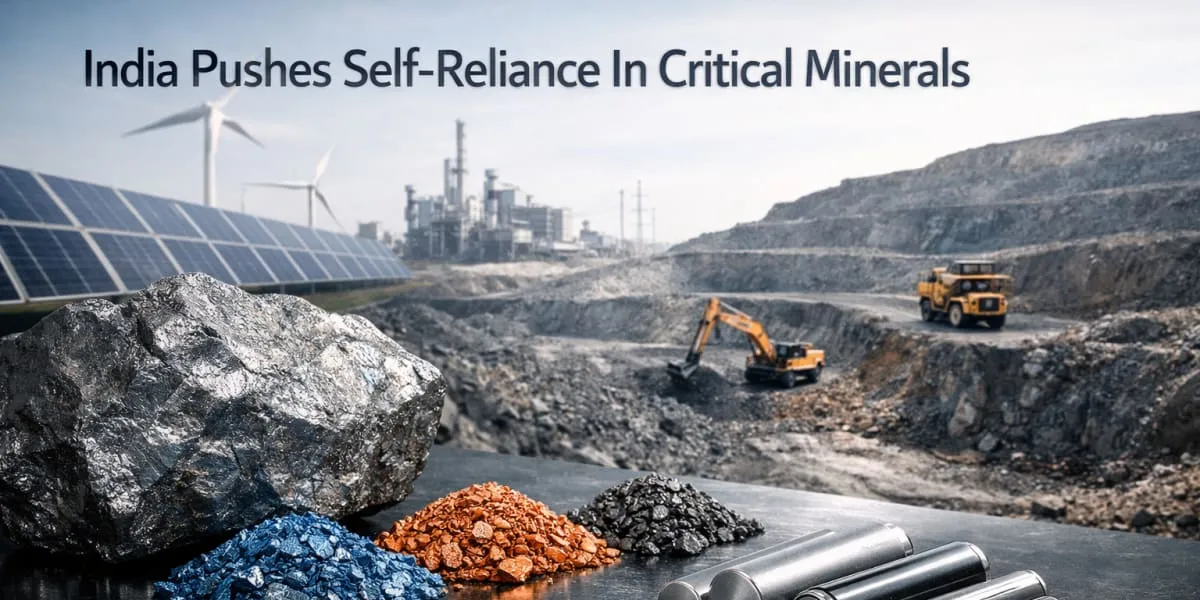
India Pushes Self-Reliance In Critical Minerals
COAL & MINING

India Pushes Self-Reliance In Critical Minerals

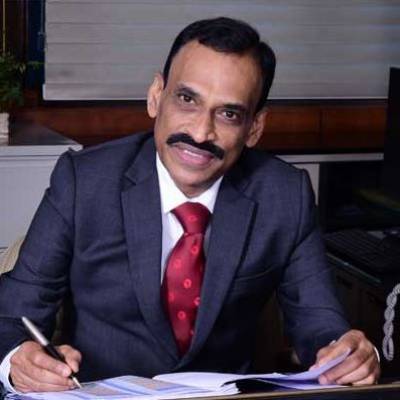
Minister of State for Coal and Mines Satish Chandra Dubey said at an industry roadshow in Raipur that India has made continuous efforts to become self-reliant in critical minerals to secure domestic industrial and clean energy supply chains. The roadshow was intended to connect state authorities with industry leaders to address operational and technical aspects. The event facilitated dialogue between entrepreneurs and officials to explain technical matters.

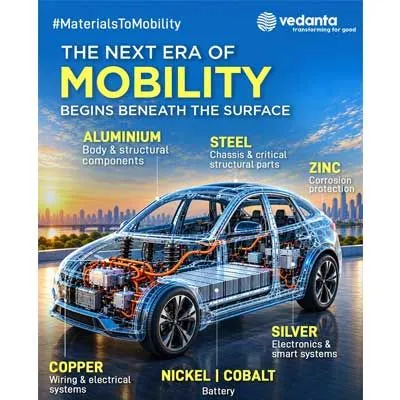
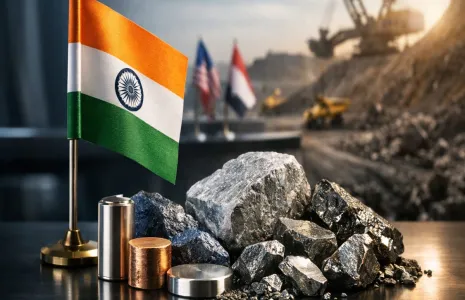
The engagement comes against the backdrop of the National Critical Mineral Mission (NCMM), introduced for a seven-year period from 2024-25 to 2030-31, which carries a proposed expenditure of Rs 163 bn and an expected investment of Rs 180 bn from public sector undertakings and other stakeholders. The mission follows the identification of 30 critical minerals by the Ministry of Mines and the list includes lithium, cobalt, copper, graphite, rare earth elements and other inputs vital for clean energy technologies. Officials said the measures aim to reduce import dependence by complementing primary extraction with enhanced secondary recycling.

To support domestic recycling capacity the Union Cabinet approved a Rs 15 bn incentive scheme under the NCMM that targets secondary sources such as electronic waste, scrap from lithium-ion batteries and parts from end-of-life vehicles. The programme is designed to support both emerging and existing recycling units and to create a 270,000 tonne (t) annual recycling capacity and domestic production of 40,000 tonne (t) of critical minerals. The framework is expected to attract about Rs 80 bn in investments and to generate an estimated 70,000 jobs.

Securing steady supplies of critical minerals is presented as essential to meet broader national climate targets including lowering the emissions intensity of gross domestic product by 45 per cent by 2030 compared with 2005 levels and obtaining half of electric power capacity from non-fossil sources by 2030. The mission is framed as a long-term effort to support industrial resilience and clean energy transitions while fostering investment and employment. Government officials characterised the roadshow as a practical step to align state and industry action on technical and operational challenges.

Minister of State for Coal and Mines Satish Chandra Dubey said at an industry roadshow in Raipur that India has made continuous efforts to become self-reliant in critical minerals to secure domestic industrial and clean energy supply chains. The roadshow was intended to connect state authorities with industry leaders to address operational and technical aspects. The event facilitated dialogue between entrepreneurs and officials to explain technical matters. The engagement comes against the backdrop of the National Critical Mineral Mission (NCMM), introduced for a seven-year period from 2024-25 to 2030-31, which carries a proposed expenditure of Rs 163 bn and an expected investment of Rs 180 bn from public sector undertakings and other stakeholders. The mission follows the identification of 30 critical minerals by the Ministry of Mines and the list includes lithium, cobalt, copper, graphite, rare earth elements and other inputs vital for clean energy technologies. Officials said the measures aim to reduce import dependence by complementing primary extraction with enhanced secondary recycling. To support domestic recycling capacity the Union Cabinet approved a Rs 15 bn incentive scheme under the NCMM that targets secondary sources such as electronic waste, scrap from lithium-ion batteries and parts from end-of-life vehicles. The programme is designed to support both emerging and existing recycling units and to create a 270,000 tonne (t) annual recycling capacity and domestic production of 40,000 tonne (t) of critical minerals. The framework is expected to attract about Rs 80 bn in investments and to generate an estimated 70,000 jobs. Securing steady supplies of critical minerals is presented as essential to meet broader national climate targets including lowering the emissions intensity of gross domestic product by 45 per cent by 2030 compared with 2005 levels and obtaining half of electric power capacity from non-fossil sources by 2030. The mission is framed as a long-term effort to support industrial resilience and clean energy transitions while fostering investment and employment. Government officials characterised the roadshow as a practical step to align state and industry action on technical and operational challenges.

Related Stories

Gold Stories
Next Story
Real Estate

Elevate Homes to Develop Premium Project in Gurugram

Elevate Homes, the integrated residential development platform established by Hines and Conscient Infrastructure, will develop a premium residential project in Sector 63A, Golf Course Extension Road, Gurugram. Spread across 10.5 acres with around two million sq. ft. of saleable area, the project is planned for launch later in 2026.Designed by global architecture firm Benoy, the development will feature globally inspired architecture, nature-led design and curated wellness-focused spaces. The project will offer more than 600 three- and four-bedroom residences, with a focus on liveability, susta..

Next Story
Real Estate

BPTP Skynest Wins Premium High-Rise Development Award

BPTP Limited has been recognised with the ‘Premium High-Rise Development of the Year’ award for its residential project BPTP Skynest at the Times Realty & Infrastructure Conclave 2026, held at Grand Hyatt, Gurugram.Located in Sector 80, Greater Faridabad, BPTP Skynest is designed as a premium high-rise residential development featuring contemporary architecture, thoughtfully planned homes and lifestyle-oriented amenities. The project comprises 504 residential units and incorporates biophilic design elements through 20 dedicated Sky Nests, landscaped green spaces integrated within the t..

Next Story
Real Estate

Dubai Buyers Seek Independent Property Transfer Services

Dubai’s property market is witnessing growing discussions around the role of independent transfer services, as some leading brokerages require buyers to pay conveyancing or sales-progression fees even when the service is managed within the same business group holding the seller’s mandate.The practice has gained attention as brokerage websites promote such services, while LinkedIn and Instagram profiles highlight dedicated sales-progression teams operating within agencies. Industry observers point out that the concern is not about the capability of in-house conveyancers but whether buyers s..

Advertisement

Subscribe to Our Newsletter

Get daily newsletters around different themes from Construction world.

STAY CONNECTED

Advertisement

SPECIAL OFFER
QR Code