Developing Countries Face $4 tn MSME Finance Gap
ECONOMY & POLICY

Developing Countries Face $4 tn MSME Finance Gap

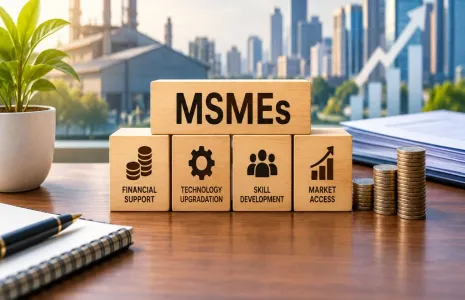
Micro, small and medium enterprises (MSMEs) across developing countries face a $4 tn finance gap that restricts their ability to expand, trade, compete and create jobs, according to the World Bank. The bank said India’s digital infrastructure and data-driven finance ecosystem demonstrated potential for reaching the broader MSME sector at scale.

MSMEs account for 90 per cent of businesses and employ 75 per cent of workers in emerging markets and developing economies. However, many continue to face substantial barriers to credit and equity financing, the World Bank said in its Finance and Prosperity 2026 report. The report found that access to a formal loan can increase firm employment by an average of 12 per cent, while sales and profits can rise by about 18 per cent.

The MSME finance gap stood at $4 tn between 2019 and 2023. The World Bank said closing the shortfall would be important for job creation, particularly as 1.2 bn young people in developing countries are expected to reach working age over the next 10 to 15 years. Expanding access to finance could help economies support a growing workforce and improve opportunities for smaller businesses.

India has also shown vulnerabilities in unsecured retail and microfinance lending, even as fintech companies in India, Brazil and China have reached tens of millions of previously underserved borrowers. The World Bank said digital finance had so far expanded mainly among individual consumers and microentrepreneurs, but its scalability could support MSMEs. Pablo Saavedra, World Bank Group Vice President for Prosperity, identified limited digital transaction records, weak connections to markets and services, regulatory complexity and chronic underfinancing as the sector’s main constraints. The report also highlighted the insurance protection gap in developing economies, noting that up to 91 per cent of natural-disaster losses in India remain uninsured.

Micro, small and medium enterprises (MSMEs) across developing countries face a $4 tn finance gap that restricts their ability to expand, trade, compete and create jobs, according to the World Bank. The bank said India’s digital infrastructure and data-driven finance ecosystem demonstrated potential for reaching the broader MSME sector at scale. MSMEs account for 90 per cent of businesses and employ 75 per cent of workers in emerging markets and developing economies. However, many continue to face substantial barriers to credit and equity financing, the World Bank said in its Finance and Prosperity 2026 report. The report found that access to a formal loan can increase firm employment by an average of 12 per cent, while sales and profits can rise by about 18 per cent. The MSME finance gap stood at $4 tn between 2019 and 2023. The World Bank said closing the shortfall would be important for job creation, particularly as 1.2 bn young people in developing countries are expected to reach working age over the next 10 to 15 years. Expanding access to finance could help economies support a growing workforce and improve opportunities for smaller businesses. India has also shown vulnerabilities in unsecured retail and microfinance lending, even as fintech companies in India, Brazil and China have reached tens of millions of previously underserved borrowers. The World Bank said digital finance had so far expanded mainly among individual consumers and microentrepreneurs, but its scalability could support MSMEs. Pablo Saavedra, World Bank Group Vice President for Prosperity, identified limited digital transaction records, weak connections to markets and services, regulatory complexity and chronic underfinancing as the sector’s main constraints. The report also highlighted the insurance protection gap in developing economies, noting that up to 91 per cent of natural-disaster losses in India remain uninsured.

Related Stories

Gold Stories
Next Story
Infrastructure Energy

JSW Motors Signs MoU with ARAI for Vehicle Development

JSW Motors, the passenger vehicle arm of JSW Group, has signed a memorandum of understanding (MoU) with the Automotive Research Association of India (ARAI) for technical collaboration on the design, validation and localisation of new energy vehicles (NEVs). The agreement is intended to create technical foundations for vehicles designed for Indian operating conditions. The companies will work on vehicle engineering and technical baselines, testing, validation and performance assessment, according to JSW Motors. Their programme will also cover advanced driver assistance systems (ADAS), battery s..
Next Story
Infrastructure Urban

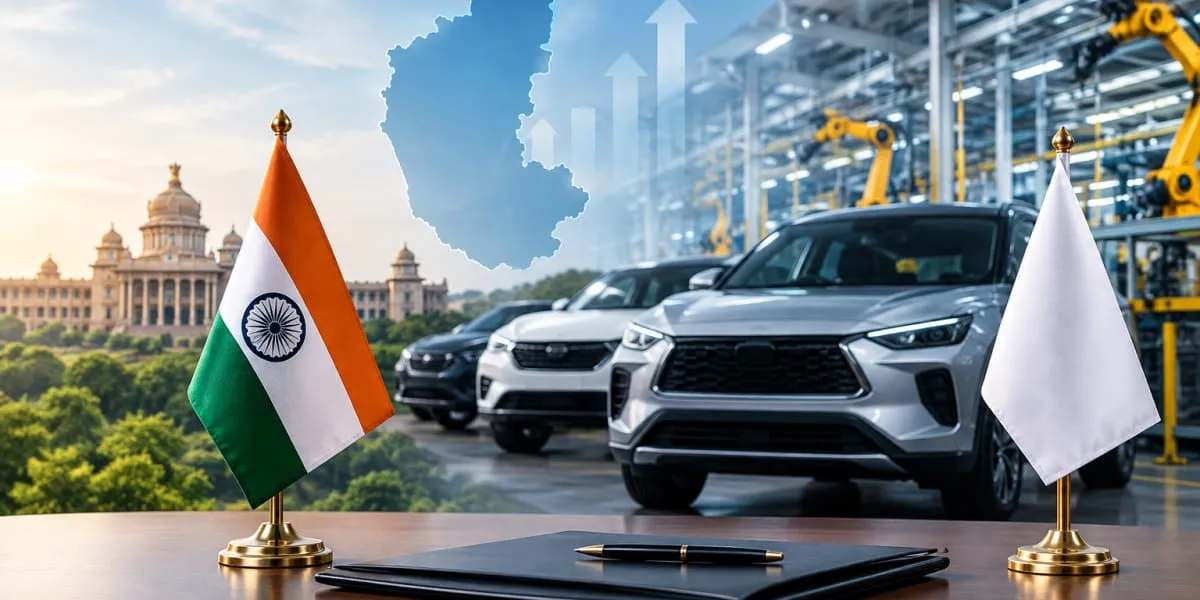
Karnataka Offers Support for Toyota Expansion Plans

Karnataka Chief Minister D K Shivakumar assured Toyota Motor Corporation of the state government’s support for expanding its manufacturing operations during a meeting with the company’s senior leadership in Japan. The discussions covered higher production, new mobility solutions and further investment in Karnataka, as Toyota looks to increase vehicle production capacity to 1 mn in the near future. Shivakumar was accompanied by M B Patil, Karnataka’s Minister for Large and Medium Industries and Infrastructure Development. The Toyota delegation was led by Masakazu Yoshimura, the company’..
Next Story
Infrastructure Transport

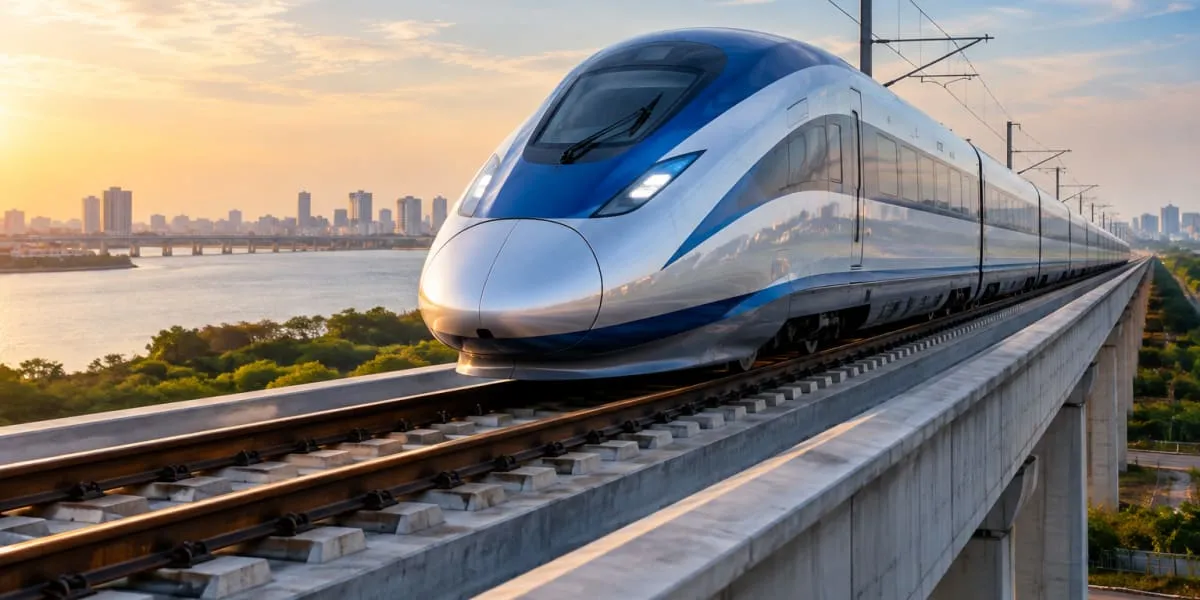
Railways to Begin Bullet Train Trial on Surat-Bilimora Section

Indian Railways will begin a trial run of its bullet train service on the 50 km Surat-Bilimora section by May 2027. The section is part of the Mumbai-Ahmedabad high-speed rail corridor and is expected to provide the first operational segment of the project. The trial will use an indigenous trainset capable of travelling at 280 km per hour. Railway Ministry sources said the first section of the corridor, extending from Surat to Vapi, is scheduled to become operational by the end of 2027. The planned trial marks a step towards introducing high-speed rail services on the corridor, which connects ..

Subscribe to Our Newsletter

Get daily newsletters around different themes from Construction world.

STAY CONNECTED

Advertisement

SPECIAL OFFER
QR Code