India's Steel Demand to Reach 250-280 mn T by 2035: McKinsey
ECONOMY & POLICY

India's Steel Demand to Reach 250-280 mn T by 2035: McKinsey

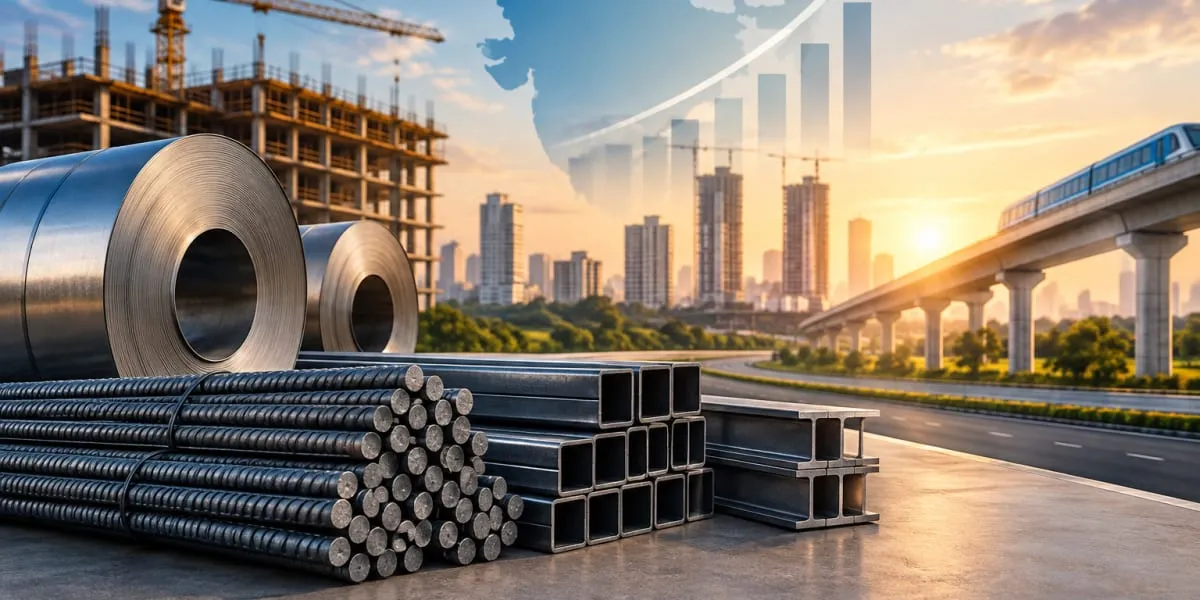
India’s steel demand is projected to reach 250-280 mn metric tonnes (mn t) per annum by 2035, driven by infrastructure, construction, transportation and manufacturing activity, according to a McKinsey report. Demand could rise further to 320-350 mn t per annum by 2040 as the economy expands.

The steel sector contributes around 2 per cent of India’s GDP and supports approximately 2.8 mn direct and indirect jobs, the report said. Infrastructure and construction account for around 65-68 per cent of domestic steel consumption, underlining the sector’s close connection with broader economic and industrial development.

India’s crude steel capacity reached approximately 233 mn t per annum in 2026, compared with around 210 mn t per annum in 2025. The government has set a longer-term capacity target of 600 mn t per annum by 2047, while projects announced by steel producers are expected to add about 60-70 mn t per annum over the next five to 10 years.

Building the capacity envisaged through 2047 is estimated to require investment of USD 350-400 bn over the next two decades. Steelmakers will need to expand existing facilities, develop greenfield plants and invest in equipment and supporting infrastructure, alongside securing supplies of iron ore, coking coal and scrap.

The report said expansion would also require parallel growth in mining, logistics, raw material processing, engineering capabilities and downstream value addition. India imported around 95 per cent of its coking coal requirement in fiscal year 2025, leaving producers exposed to international supply and price volatility. McKinsey also highlighted sustainability risks, as steelmaking assets commissioned over the coming decade could remain operational well beyond 2050 and influence the industry’s emissions profile.

India’s steel demand is projected to reach 250-280 mn metric tonnes (mn t) per annum by 2035, driven by infrastructure, construction, transportation and manufacturing activity, according to a McKinsey report. Demand could rise further to 320-350 mn t per annum by 2040 as the economy expands. The steel sector contributes around 2 per cent of India’s GDP and supports approximately 2.8 mn direct and indirect jobs, the report said. Infrastructure and construction account for around 65-68 per cent of domestic steel consumption, underlining the sector’s close connection with broader economic and industrial development. India’s crude steel capacity reached approximately 233 mn t per annum in 2026, compared with around 210 mn t per annum in 2025. The government has set a longer-term capacity target of 600 mn t per annum by 2047, while projects announced by steel producers are expected to add about 60-70 mn t per annum over the next five to 10 years. Building the capacity envisaged through 2047 is estimated to require investment of USD 350-400 bn over the next two decades. Steelmakers will need to expand existing facilities, develop greenfield plants and invest in equipment and supporting infrastructure, alongside securing supplies of iron ore, coking coal and scrap. The report said expansion would also require parallel growth in mining, logistics, raw material processing, engineering capabilities and downstream value addition. India imported around 95 per cent of its coking coal requirement in fiscal year 2025, leaving producers exposed to international supply and price volatility. McKinsey also highlighted sustainability risks, as steelmaking assets commissioned over the coming decade could remain operational well beyond 2050 and influence the industry’s emissions profile.

Related Stories

Gold Stories

Next Story
Infrastructure Energy

JSW Motors Signs MoU with ARAI for Vehicle Development

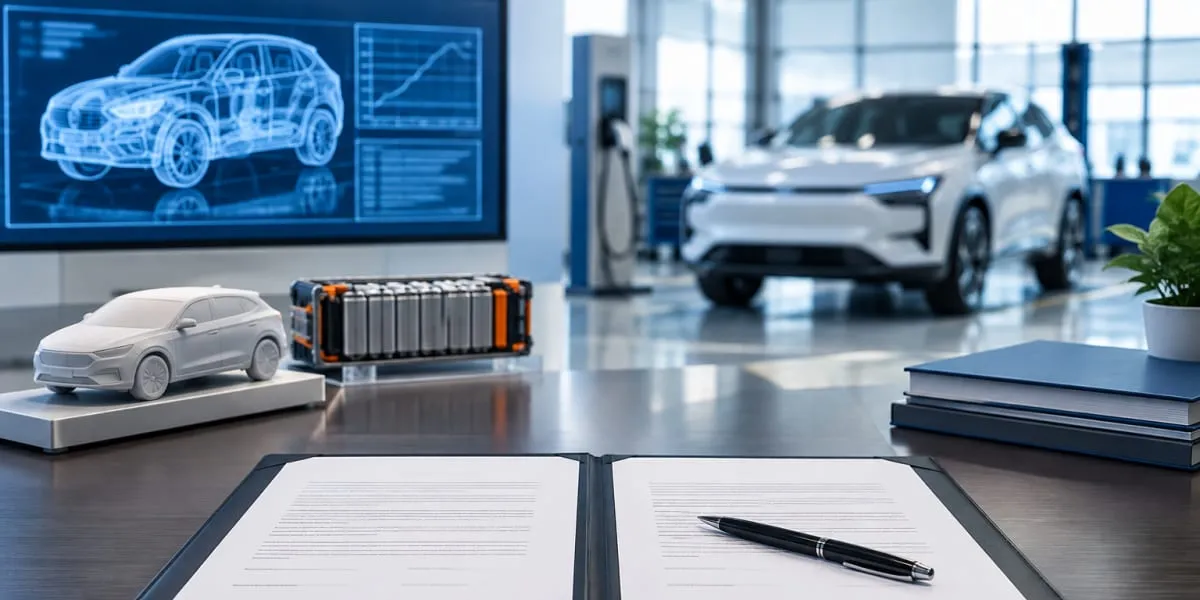
JSW Motors, the passenger vehicle arm of JSW Group, has signed a memorandum of understanding (MoU) with the Automotive Research Association of India (ARAI) for technical collaboration on the design, validation and localisation of new energy vehicles (NEVs). The agreement is intended to create technical foundations for vehicles designed for Indian operating conditions. The companies will work on vehicle engineering and technical baselines, testing, validation and performance assessment, according to JSW Motors. Their programme will also cover advanced driver assistance systems (ADAS), battery s..
Next Story
Infrastructure Urban

Karnataka Offers Support for Toyota Expansion Plans

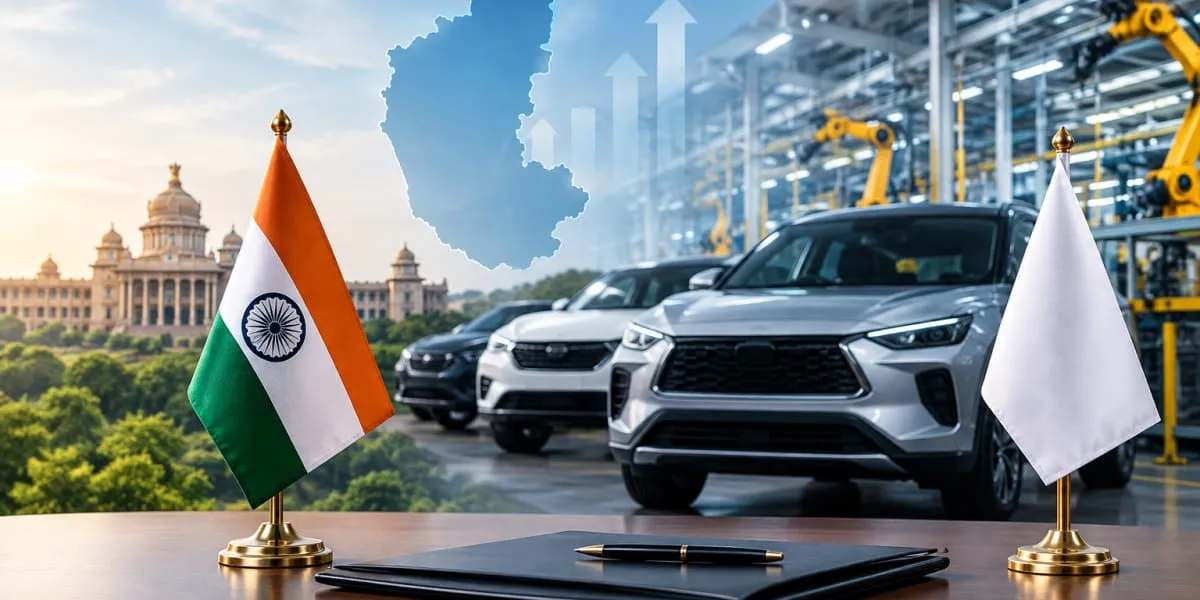
Karnataka Chief Minister D K Shivakumar assured Toyota Motor Corporation of the state government’s support for expanding its manufacturing operations during a meeting with the company’s senior leadership in Japan. The discussions covered higher production, new mobility solutions and further investment in Karnataka, as Toyota looks to increase vehicle production capacity to 1 mn in the near future. Shivakumar was accompanied by M B Patil, Karnataka’s Minister for Large and Medium Industries and Infrastructure Development. The Toyota delegation was led by Masakazu Yoshimura, the company’..
Next Story
Infrastructure Transport

Railways to Begin Bullet Train Trial on Surat-Bilimora Section

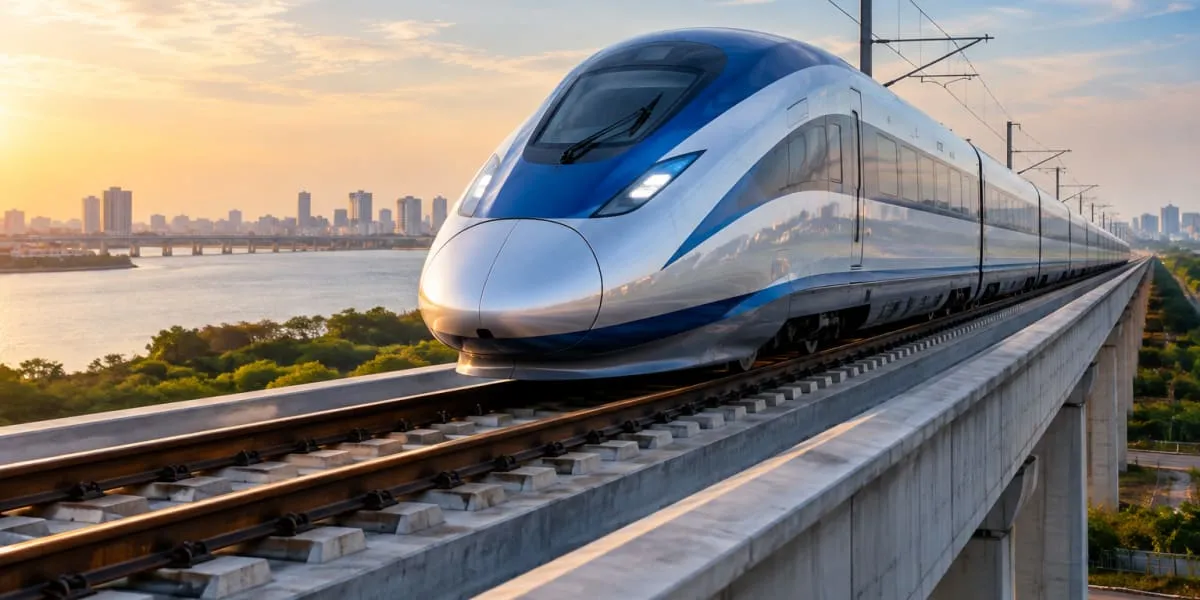
Indian Railways will begin a trial run of its bullet train service on the 50 km Surat-Bilimora section by May 2027. The section is part of the Mumbai-Ahmedabad high-speed rail corridor and is expected to provide the first operational segment of the project. The trial will use an indigenous trainset capable of travelling at 280 km per hour. Railway Ministry sources said the first section of the corridor, extending from Surat to Vapi, is scheduled to become operational by the end of 2027. The planned trial marks a step towards introducing high-speed rail services on the corridor, which connects ..

Subscribe to Our Newsletter

Get daily newsletters around different themes from Construction world.

STAY CONNECTED

Advertisement

SPECIAL OFFER
QR Code