+
DJB Approves Rs. 179.7 bn Sewer Maintenance Programme
ECONOMY & POLICY

DJB Approves Rs. 179.7 bn Sewer Maintenance Programme

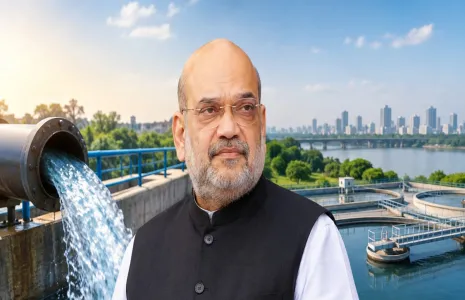
The Delhi Jal Board has given in-principle approval to a Rs. 179.7 bn, 10-year programme to overhaul sewer maintenance across Delhi through a One Zone, One Operator model. The initiative is intended to improve accountability, preventive maintenance and the delivery of sewerage services to residents.

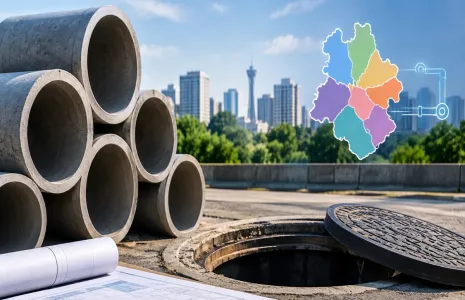
Under the plan, Delhi will be divided into eight zones, with one operator responsible for the complete sewer network in each zone. The responsibilities will include maintaining sewer lines, manholes and pumping stations, as well as handling complaints and coordinating responses to service issues.

The system will shift maintenance from reactive, complaint-based repairs to planned preventive work. It will use geo-tagged inspections, real-time monitoring through a central command centre, and 100 per cent mechanical and robotic sewer cleaning. Payments to operators will be linked to their performance, with the board aiming to resolve complaints faster and reduce sewer overflows.

The DJB currently maintains 11,212 km of sewer lines, 668,000 manholes and 145 pumping stations across 68 Assembly constituencies. Delhi Water Minister Parvesh Sahib Singh said the reform was intended to establish clear responsibility for sewerage services and improve the way the network was managed.

The board has also approved a Rs. 60.44 bn project to transform South Delhi’s water supply infrastructure. The project will cover 247 sq km, 13 underground reservoir command areas and 12 Assembly constituencies, and will serve 244,381 domestic consumers.

The water supply project targets continuous supply, zero contamination and a reduction in non-revenue water to below 15 per cent. Together, the two programmes represent a broader effort by the DJB to improve operational monitoring, infrastructure performance and public services across the capital.

The Delhi Jal Board has given in-principle approval to a Rs. 179.7 bn, 10-year programme to overhaul sewer maintenance across Delhi through a One Zone, One Operator model. The initiative is intended to improve accountability, preventive maintenance and the delivery of sewerage services to residents. Under the plan, Delhi will be divided into eight zones, with one operator responsible for the complete sewer network in each zone. The responsibilities will include maintaining sewer lines, manholes and pumping stations, as well as handling complaints and coordinating responses to service issues. The system will shift maintenance from reactive, complaint-based repairs to planned preventive work. It will use geo-tagged inspections, real-time monitoring through a central command centre, and 100 per cent mechanical and robotic sewer cleaning. Payments to operators will be linked to their performance, with the board aiming to resolve complaints faster and reduce sewer overflows. The DJB currently maintains 11,212 km of sewer lines, 668,000 manholes and 145 pumping stations across 68 Assembly constituencies. Delhi Water Minister Parvesh Sahib Singh said the reform was intended to establish clear responsibility for sewerage services and improve the way the network was managed. The board has also approved a Rs. 60.44 bn project to transform South Delhi’s water supply infrastructure. The project will cover 247 sq km, 13 underground reservoir command areas and 12 Assembly constituencies, and will serve 244,381 domestic consumers. The water supply project targets continuous supply, zero contamination and a reduction in non-revenue water to below 15 per cent. Together, the two programmes represent a broader effort by the DJB to improve operational monitoring, infrastructure performance and public services across the capital.

Related Stories

Gold Stories

Next Story
Infrastructure Urban

CAFE-III Gives Auto Industry Investment Clarity

The government’s new Corporate Average Fuel Economy (CAFE-III) norms have provided the automobile industry with a clearer framework for technology investments, according to industry representatives. The framework seeks to balance environmental objectives with flexibility for manufacturers while encouraging the adoption of flex-fuel vehicles and biofuels. Society of Indian Automobile Manufacturers (SIAM) President Shenu Agarwal said the five-year framework would give automakers greater predictability to plan investments and accelerate innovation. He said the regulation established annual targ..

Next Story
Infrastructure Energy

Mines Ministry to Auction Two Offshore Mineral Blocks in Andaman Sea

The Ministry of Mines will launch an auction of two offshore mineral blocks in the Andaman Sea on Thursday, seeking to unlock India’s offshore mineral potential and strengthen long-term mineral resource security. The blocks will be offered under a composite licence, which permits exploration and development activities in accordance with the applicable regulatory framework. The ministry said the auction was intended to encourage systematic exploration, attract investment and promote the use of advanced technologies for offshore mineral exploration and development. The initiative is also aimed..

Next Story
Infrastructure Energy

India Invites Global Mining Community to India Mining Week 2026

India has invited the global mining community to participate in India Mining Week 2026, seeking international collaboration, expertise and investment to support the development of the country’s mining and minerals sector. The event is scheduled to be held from November 15 to 17, 2026, at Yashobhoomi in New Delhi. Coal Additional Secretary Rupinder Brar extended the invitation while addressing India Mining: Global Connect, an international outreach interaction involving representatives from diplomatic missions in 19 countries. The meeting focused on opportunities for greater international par..

Advertisement

Subscribe to Our Newsletter

Get daily newsletters around different themes from Construction world.

STAY CONNECTED

Advertisement

SPECIAL OFFER
QR Code