DJB Upgrades 10 Sewage Plants To Intensify Yamuna Cleanup
ECONOMY & POLICY

DJB Upgrades 10 Sewage Plants To Intensify Yamuna Cleanup

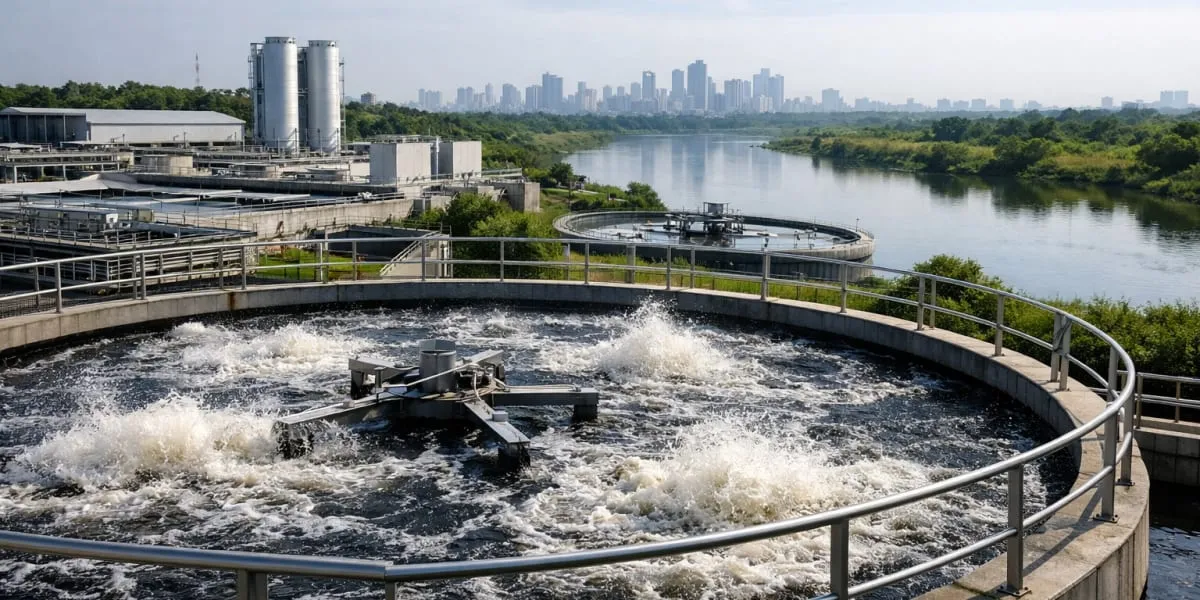
The Delhi Jal Board (DJB) has upgraded 10 sewage treatment plants across the city as part of an intensified campaign to clean the Yamuna River. The work is intended to reduce untreated discharge, improve treatment efficiency and curb pollution entering the river. Officials framed the upgrades as a key step in a broader strategy to restore water quality and protect public health. The programme forms part of a longer term urban sanitation plan that aligns treatment upgrades with efforts to reduce pollution at source and to improve the usability of riverfront spaces for residents.

The upgrades included modernisation of processing units, enhancement of aeration and biofiltration systems and improved maintenance regimes to reduce operational lapses, according to the board. The measures are accompanied by increased monitoring of effluent quality and routine inspection to identify and plug illegal sewer connections. The DJB indicated that enhanced monitoring will allow quicker corrective action and sustained compliance with environmental standards. Maintenance schedules have been revised to reduce downtime.

Coordination with municipal corporations and riverfront agencies has been intensified to ensure upstream controls and prevent inflow of untreated sewage from adjoining localities. Authorities noted that public awareness campaigns and stricter enforcement against dumping are integral to the cleanup drive. Complementary actions are planned for interception of drain flows and regular desilting to maintain conveyance capacity.

Officials expect the combined efforts to yield gradual improvements in the Yamuna River's ecological condition, with benefits for aquatic life, water use and urban sanitation. The DJB said ongoing data collection will be used to measure progress and guide further investments and operational changes. The campaign is presented as a sustained municipal effort rather than a one-off project. Regular public reporting and independent water quality assessments will form part of the performance framework to ensure accountability and to calibrate interventions as required.

The Delhi Jal Board (DJB) has upgraded 10 sewage treatment plants across the city as part of an intensified campaign to clean the Yamuna River. The work is intended to reduce untreated discharge, improve treatment efficiency and curb pollution entering the river. Officials framed the upgrades as a key step in a broader strategy to restore water quality and protect public health. The programme forms part of a longer term urban sanitation plan that aligns treatment upgrades with efforts to reduce pollution at source and to improve the usability of riverfront spaces for residents. The upgrades included modernisation of processing units, enhancement of aeration and biofiltration systems and improved maintenance regimes to reduce operational lapses, according to the board. The measures are accompanied by increased monitoring of effluent quality and routine inspection to identify and plug illegal sewer connections. The DJB indicated that enhanced monitoring will allow quicker corrective action and sustained compliance with environmental standards. Maintenance schedules have been revised to reduce downtime. Coordination with municipal corporations and riverfront agencies has been intensified to ensure upstream controls and prevent inflow of untreated sewage from adjoining localities. Authorities noted that public awareness campaigns and stricter enforcement against dumping are integral to the cleanup drive. Complementary actions are planned for interception of drain flows and regular desilting to maintain conveyance capacity. Officials expect the combined efforts to yield gradual improvements in the Yamuna River's ecological condition, with benefits for aquatic life, water use and urban sanitation. The DJB said ongoing data collection will be used to measure progress and guide further investments and operational changes. The campaign is presented as a sustained municipal effort rather than a one-off project. Regular public reporting and independent water quality assessments will form part of the performance framework to ensure accountability and to calibrate interventions as required.

Next Story
Real Estate

Loomcraft Enters South India with Kerala Store Launch

Loomcraft has launched its exclusive store in Kerala, marking its entry into South India and a key step in its nationwide expansion strategy. The move targets a region driven by tourism and premium real estate demand, where outdoor spaces play a central role in hospitality and residential experiences.Kerala’s growing base of luxury resorts, boutique hotels, villas and gated communities has created strong demand for specialised outdoor furniture. However, the region has remained underserved, with buyers relying on imports or generic products not suited to humid, coastal and monsoon-heavy cond..

Next Story
Building Material

Mild Steel Prices Seen Rising to Rs 61,000 Per Tonne

Mild steel prices in India, currently around Rs 58,000 per tonne, are expected to rise to nearly Rs 61,000 per tonne in April, indicating an increase of about Rs 3,000 per tonne. The anticipated rise reflects structural pressures driven by geopolitical tensions, energy constraints and limited raw material availability.Ongoing global conflict has disrupted energy markets, leading to LNG shortages that are affecting domestic steel production. Small and mid-sized manufacturers, particularly those dependent on gas-based processes, are witnessing production cuts due to constrained energy supply, re..

Next Story
Infrastructure Urban

Vedanta Expands Transgender Workforce to 75 Employees

Vedanta has strengthened its commitment to workplace inclusion by employing 75 transgender individuals across its businesses, including Vedanta Aluminium, Hindustan Zinc, Sesa Goa, FACOR and Cairn Oil & Gas. The initiative reflects sustained hiring efforts since 2022 to build equitable opportunities across operations, corporate and technical roles.Transgender employees are engaged in functions such as operations, finance, logistics, HR, CSR, healthcare and security, with provisions for internal mobility to support career progression. The company has implemented structured policies, includi..

Advertisement

Subscribe to Our Newsletter

Get daily newsletters around different themes from Construction world.

STAY CONNECTED

Advertisement

Advertisement

Advertisement