
EBG Foundation launches rural climate drive
ECONOMY & POLICY

EBG Foundation launches rural climate drive

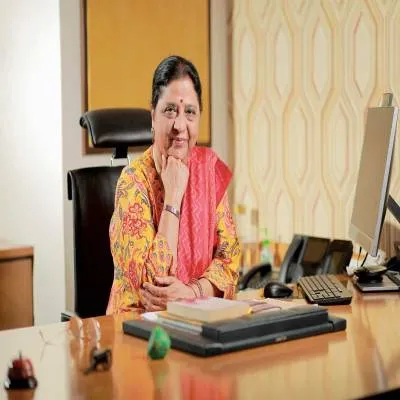
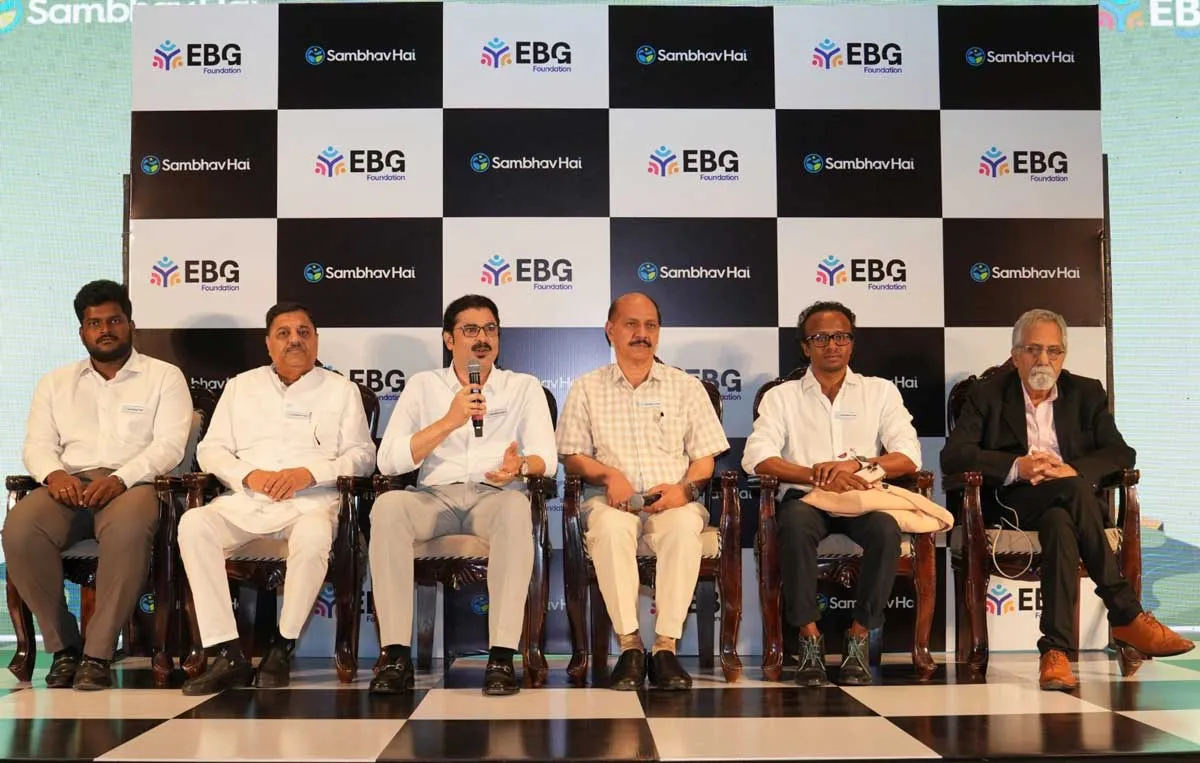
As the world marked Earth Day, EBG Foundation launched ‘Sambhav Hai’, a nationwide initiative led by EBG Group Founder and Chairman Dr Irfan Khan to drive climate action at the grassroots and build stronger, sustainable rural communities. The programme has commenced with the adoption of Charla Thanda in Telangana’s Nalgonda district, creating a model for scalable village transformation.
Positioned as a major pillar of the Foundation’s nation-building agenda, the initiative aims to move beyond fragmented development through a unified, data-led framework. It targets a 10–20 per cent reduction in carbon emissions during the first year, progressing towards full carbon neutrality within three years.
The programme will be implemented in phases, beginning with 50 villages in Year 1 with an allocation of Rs 300 million. It will expand to 150 villages in Year 2 and further scale to 750 villages with support from government institutions, making it one of India’s most ambitious rural sustainability drives.
At Charla Thanda, work has started with household-level data mapping to create a climate and resource baseline. Planned interventions include safe drinking water access, groundwater recharge, waste segregation, composting, afforestation and regenerative land practices. Local volunteers are also being trained to sustain these efforts.
The village will function as a live demonstration of the ‘Minus One Village’ model, providing a blueprint for replication across regions. The Foundation stated that the initiative will also expand across multiple states as part of its wider national rollout.

As the world marked Earth Day, EBG Foundation launched ‘Sambhav Hai’, a nationwide initiative led by EBG Group Founder and Chairman Dr Irfan Khan to drive climate action at the grassroots and build stronger, sustainable rural communities. The programme has commenced with the adoption of Charla Thanda in Telangana’s Nalgonda district, creating a model for scalable village transformation.Positioned as a major pillar of the Foundation’s nation-building agenda, the initiative aims to move beyond fragmented development through a unified, data-led framework. It targets a 10–20 per cent reduction in carbon emissions during the first year, progressing towards full carbon neutrality within three years.The programme will be implemented in phases, beginning with 50 villages in Year 1 with an allocation of Rs 300 million. It will expand to 150 villages in Year 2 and further scale to 750 villages with support from government institutions, making it one of India’s most ambitious rural sustainability drives.At Charla Thanda, work has started with household-level data mapping to create a climate and resource baseline. Planned interventions include safe drinking water access, groundwater recharge, waste segregation, composting, afforestation and regenerative land practices. Local volunteers are also being trained to sustain these efforts.The village will function as a live demonstration of the ‘Minus One Village’ model, providing a blueprint for replication across regions. The Foundation stated that the initiative will also expand across multiple states as part of its wider national rollout.

Next Story
Infrastructure Urban

Centre Examines Duty Relief Under MOOWR For Battery Storage Imports

The finance ministry is examining whether to continue customs warehousing benefits under the Manufacture and Other Operations in Warehouse Regulations, 2019 framework for imported battery energy storage systems. It plans consultations with the ministries of power and new and renewable energy to decide on the future scope of duty and GST deferment for such imports. The review follows concerns from the renewable energy sector that the current approach is creating an uneven playing field. Under the regulations, companies may import goods without paying customs duty or goods and services tax upfro..

Next Story
Infrastructure Urban

Jamshedpur MP Seeks Rs 4,820 Million Plan For Tatanagar Platforms

Member of Parliament Bidyut Baran Mahato held a meeting with Vikas Jain, Executive Director (Public Grievances) of the Railway Board, following a special session of Parliament to press for accelerated rail infrastructure work around Jamshedpur and Tatanagar. The discussions addressed a range of projects that the ministry is prioritising for the area. Final Location Surveys for the construction of the fourth and fifth railway lines between Pandrasali and Kandra and for the development of a satellite station near Tatanagar have already been approved, clearing the way for detailed planning. Mahat..

Next Story
Infrastructure Energy

Final Batch Of Two 3,300 HP Locomotives Reach Mozambique

The final batch of two 3,300 horsepower (hp) locomotives manufactured by Banaras Locomotive Works (BLW) has reached Mozambique, marking completion of an export consignment. The locomotives arrived at Maputo harbour and were cleared for onward movement to the national rail operator. The shipment closes a programme that began with earlier consignments delivered over the past months. Banaras Locomotive Works, a production unit of Indian Railways, built the locomotives under a contract with the Mozambican rail authority and managed the final inspections and commissioning preparations prior to disp..

Advertisement

Subscribe to Our Newsletter

Get daily newsletters around different themes from Construction world.

STAY CONNECTED

Advertisement

Advertisement

Advertisement