Ethanol Blend Can Impact Environment And Land Use Patterns
ECONOMY & POLICY

Ethanol Blend Can Impact Environment And Land Use Patterns

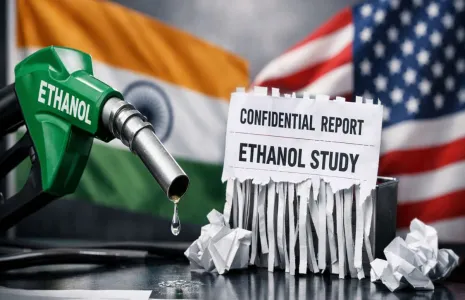
Experts warned that the expanded use of ethanol-blended fuel can alter environmental outcomes and land-use patterns across agricultural regions. Policymakers have promoted ethanol blends to enhance energy security and reduce greenhouse gas emissions, but the experts said such shifts carry complex ecological and socio-economic consequences. They noted that demand for biofuel feedstocks can change cropping choices, crop intensity and farm management practices. They highlighted the need for region-specific assessments to understand trade-offs between energy goals and ecological resilience.

Rapid expansion of feedstock cultivation may increase water consumption and reliance on synthetic fertilisers, with consequences for soil health and local water tables. Intensification of agriculture for fuel production can elevate erosion risks and reduce habitat availability for native species, influencing biodiversity negatively. Lifecycle assessments of ethanol vary, so the overall greenhouse gas benefits depend on land-use change, crop choices and production practices. Local contexts will be determinative factors.

Land conversion is a central concern, with fallow lands and marginal forests vulnerable to being repurposed for energy crops, the experts said. Smallholder farmers may face pressure to switch from food to fuel production, altering rural livelihoods and market dynamics. The scale and distribution of these impacts will hinge on policy design, land tenure arrangements and access to sustainable technologies. Robust governance and transparent data sharing were identified as essential to ensure equitable outcomes and to prevent land speculation.

Experts recommended integrated land-use planning, clear sustainability standards for feedstock sourcing and incentives for second-generation ethanol derived from agricultural residues. They urged investment in efficient irrigation, soil conservation and monitoring systems to track environmental indicators and avoid unintended consequences. Careful alignment of energy and food security goals, coupled with participatory approaches for affected communities, can help balance priorities as ethanol blending scales up. Ongoing evaluation and adaptive policies can allow correction as evidence emerges.

Experts warned that the expanded use of ethanol-blended fuel can alter environmental outcomes and land-use patterns across agricultural regions. Policymakers have promoted ethanol blends to enhance energy security and reduce greenhouse gas emissions, but the experts said such shifts carry complex ecological and socio-economic consequences. They noted that demand for biofuel feedstocks can change cropping choices, crop intensity and farm management practices. They highlighted the need for region-specific assessments to understand trade-offs between energy goals and ecological resilience. Rapid expansion of feedstock cultivation may increase water consumption and reliance on synthetic fertilisers, with consequences for soil health and local water tables. Intensification of agriculture for fuel production can elevate erosion risks and reduce habitat availability for native species, influencing biodiversity negatively. Lifecycle assessments of ethanol vary, so the overall greenhouse gas benefits depend on land-use change, crop choices and production practices. Local contexts will be determinative factors. Land conversion is a central concern, with fallow lands and marginal forests vulnerable to being repurposed for energy crops, the experts said. Smallholder farmers may face pressure to switch from food to fuel production, altering rural livelihoods and market dynamics. The scale and distribution of these impacts will hinge on policy design, land tenure arrangements and access to sustainable technologies. Robust governance and transparent data sharing were identified as essential to ensure equitable outcomes and to prevent land speculation. Experts recommended integrated land-use planning, clear sustainability standards for feedstock sourcing and incentives for second-generation ethanol derived from agricultural residues. They urged investment in efficient irrigation, soil conservation and monitoring systems to track environmental indicators and avoid unintended consequences. Careful alignment of energy and food security goals, coupled with participatory approaches for affected communities, can help balance priorities as ethanol blending scales up. Ongoing evaluation and adaptive policies can allow correction as evidence emerges.

Related Stories

Gold Stories

Next Story
Infrastructure Transport

Innovision Wins NHAI Toll Collection Contract at Aashpur Fee Plaza

Innovision Limited has informed stock exchanges that it has been awarded a user fee collection and facility maintenance contract by the National Highways Authority of India (NHAI). The letter of award was issued on 10 August 2026 for operations at Aashpur Fee Plaza at design kilometre 231.100 on National Highway number 91 between Aligarh and Kanpur in Uttar Pradesh. The engagement covers collection of user fees for four and more lane sections and the upkeep and maintenance of adjacent toilet blocks including replenishment of consumable items. The contract was secured through a competitive e-te..

Next Story
Infrastructure Urban

Bharat Electronics Secures Rs.5,410 mn In Orders

Bharat Electronics Limited (BEL), a Navratna Defence Public Sector Undertaking, has secured additional orders worth Rs.5,410 million (mn) since the last disclosure on 31 July 2026. The fresh awards raise the company's recently reported intake and were announced by way of a regulatory filing on 10 August 2026. The orders span multiple business verticals and are incremental to contracts already under execution. The update follows the company's routine disclosure obligations to the stock exchanges. Major orders received include communication equipment, electro optics, ammunition fuzes, Chemical B..

Next Story
Infrastructure Urban

United Drilling Tools Receives US Order For Gas Lift Mandrel

United Drilling Tools Limited said it has received an order from Tri Lift Services Inc of the United States for the supply of a gas lift mandrel to be used in the oil and gas industry. The company said the disclosure was made to listing authorities under the Securities and Exchange Board of India listing rules and the SEBI master circular of November 2024. The notice set out the nature of the contract as commercial and awarded by an international entity. The order is to be executed in the ordinary course of business and carries an estimated contract value of Rs four point eight three million (..

Advertisement

Subscribe to Our Newsletter

Get daily newsletters around different themes from Construction world.

STAY CONNECTED

Advertisement

Advertisement

Advertisement