


India To Reach 786 GW Non Fossil Capacity By 2036
ECONOMY & POLICY

India To Reach 786 GW Non Fossil Capacity By 2036

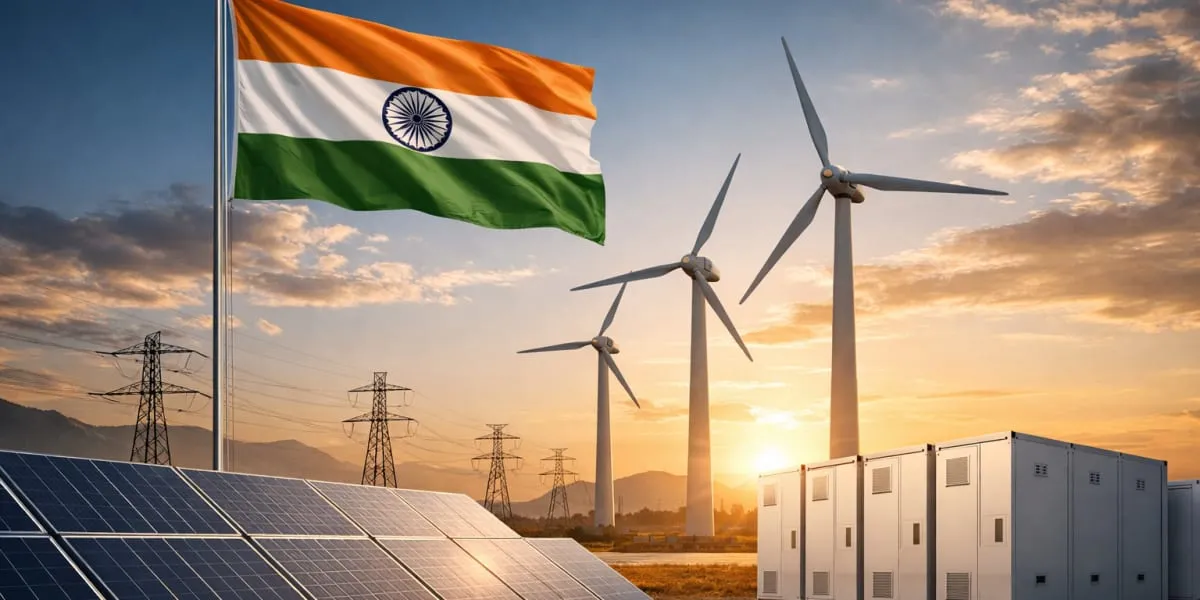
India is projected to achieve 786 Gigawatt (GW) of non-fossil electricity capacity by 2036 as policymakers accelerate the clean energy transition. Analysts expect the target to be driven by rapid expansion of renewable energy, greater deployment of grid-scale battery storage and improvements in transmission infrastructure. The projection reflects a strategic shift towards lower emissions electricity generation and aims to enhance energy security. Market mechanisms such as competitive procurement and risk mitigation instruments are expected to support cost effective deployment.

Solar and wind are forecast to account for the bulk of new capacity additions, complemented by an increase in rooftop installations and distributed energy resources. Investment in grid balancing and flexibility measures is expected to rise, with a focus on build out of transmission corridors and digital systems to manage variable output. The scale of deployment will require coordinated planning between central and state authorities and streamlined permitting. Developers are also likely to pursue hybrid projects that combine solar or wind with storage and to invest in site optimisation to improve capacity factors.

Private sector participation is expected to remain strong, with financing from domestic and international investors supporting project development and equipment manufacture. Analysts anticipate growth in domestic manufacturing of solar modules and in battery supply chains, which could reduce import dependence and lower costs. Supportive policy measures and stable tariff frameworks are expected to encourage long term contracts and attract capital. Innovative financing structures, including green bonds and blended finance, are expected to evolve to spread project risks and attract long term investors.

Successful delivery of the capacity increase will depend on addressing land acquisition, supply chain bottlenecks and workforce training for construction and operations. Improved grid integration and demand side management are likely to be prioritised to minimise curtailment and maintain reliability. The expansion is expected to contribute to emissions reductions and economic opportunities while aligning with India's longer term climate and development objectives. Robust monitoring and phased implementation are likely to be adopted to ensure targets are met while engaging local communities and stakeholders.

India is projected to achieve 786 Gigawatt (GW) of non-fossil electricity capacity by 2036 as policymakers accelerate the clean energy transition. Analysts expect the target to be driven by rapid expansion of renewable energy, greater deployment of grid-scale battery storage and improvements in transmission infrastructure. The projection reflects a strategic shift towards lower emissions electricity generation and aims to enhance energy security. Market mechanisms such as competitive procurement and risk mitigation instruments are expected to support cost effective deployment. Solar and wind are forecast to account for the bulk of new capacity additions, complemented by an increase in rooftop installations and distributed energy resources. Investment in grid balancing and flexibility measures is expected to rise, with a focus on build out of transmission corridors and digital systems to manage variable output. The scale of deployment will require coordinated planning between central and state authorities and streamlined permitting. Developers are also likely to pursue hybrid projects that combine solar or wind with storage and to invest in site optimisation to improve capacity factors. Private sector participation is expected to remain strong, with financing from domestic and international investors supporting project development and equipment manufacture. Analysts anticipate growth in domestic manufacturing of solar modules and in battery supply chains, which could reduce import dependence and lower costs. Supportive policy measures and stable tariff frameworks are expected to encourage long term contracts and attract capital. Innovative financing structures, including green bonds and blended finance, are expected to evolve to spread project risks and attract long term investors. Successful delivery of the capacity increase will depend on addressing land acquisition, supply chain bottlenecks and workforce training for construction and operations. Improved grid integration and demand side management are likely to be prioritised to minimise curtailment and maintain reliability. The expansion is expected to contribute to emissions reductions and economic opportunities while aligning with India's longer term climate and development objectives. Robust monitoring and phased implementation are likely to be adopted to ensure targets are met while engaging local communities and stakeholders.

Next Story
Infrastructure Urban

Flender Unveils N-ZAPEX Gear Couplings for Cost-Effective Operation

Flender has unveiled its new N-ZAPEX gear couplings, setting a new industry standard for drive applications in harsh conditions, such as those found in steel, cement, mining, and oil & gas industries. Designed to deliver economic benefits over the entire lifecycle, the N-ZAPEX series offers the highest torque density and misalignment capacities on the market.The N-ZAPEX is available in two versions, XN and XW, each tailored to meet different customer requirements. The XN variant focuses on standardisation, reduced complexity, and cost-effectiveness for smaller sizes, featuring reusable com..

Next Story
Infrastructure Urban

Anil Agarwal Calls for Entrepreneurial Role in Natural Resource PSUs

Anil Agarwal, Chairman of Vedanta, has highlighted the transformative potential of greater entrepreneurial involvement in India's public sector companies within the natural resources space. In a LinkedIn post, he emphasised the importance of empowering India’s pool of entrepreneurs alongside skilled public-sector talent to strengthen domestic production and reduce the country’s reliance on imports.Agarwal drew comparisons with India’s agricultural success, where self-sufficiency and surplus production were achieved. He suggested that a similar approach could unlock substantial value in p..

Next Story
Technology

Advaiya Launches Change Log Archival App for Microsoft Dynamics 365

Advaiya has launched its Change Log Archival app for Microsoft Dynamics 365 Business Central on the Microsoft Marketplace. The app enables organisations to securely archive large volumes of change log data outside the core ERP system while ensuring auditability, compliance, and traceability.As organisations face growing change log records that increase database size and impact system performance, the Change Log Archival app addresses these challenges by archiving historical logs to Azure Blob Storage. This solution optimises storage, maintains data integrity, and ensures accessibility, allowin..

Advertisement

Subscribe to Our Newsletter

Get daily newsletters around different themes from Construction world.

STAY CONNECTED

Advertisement

Advertisement

Advertisement