

India Unveils First All-Electric Green Tug
ECONOMY & POLICY

India Unveils First All-Electric Green Tug

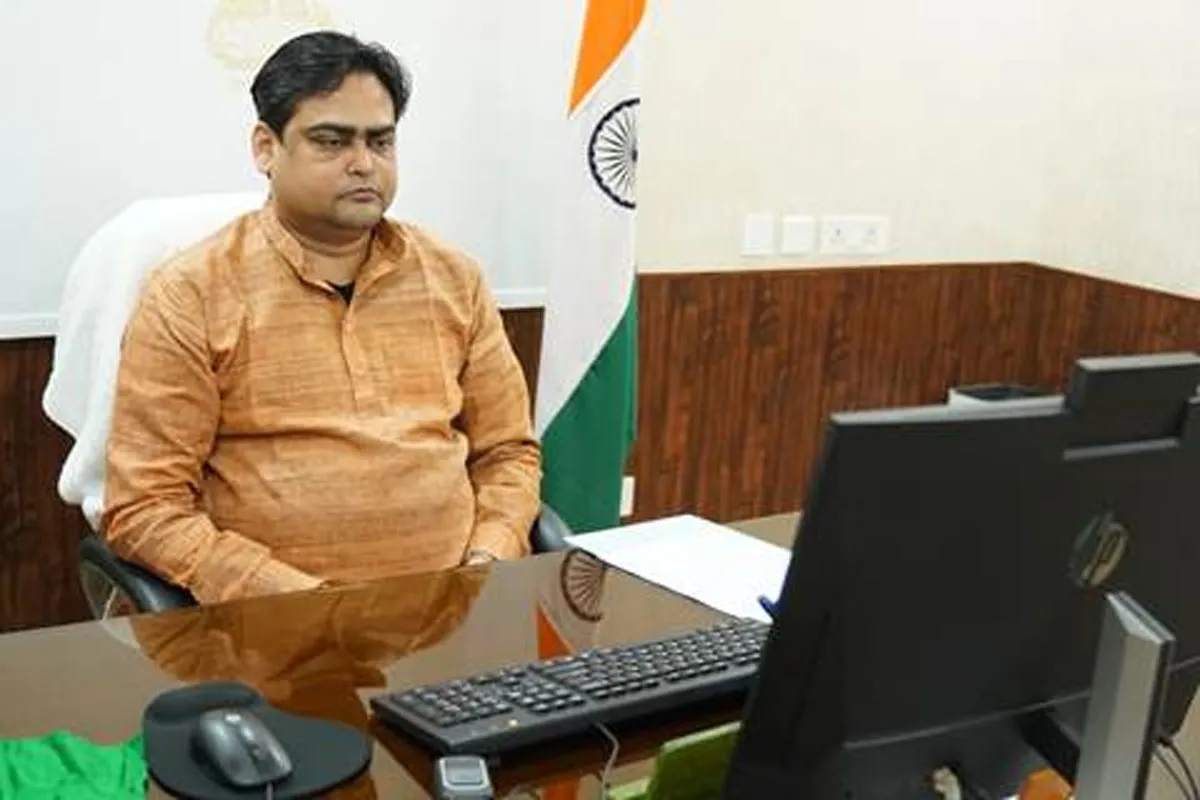
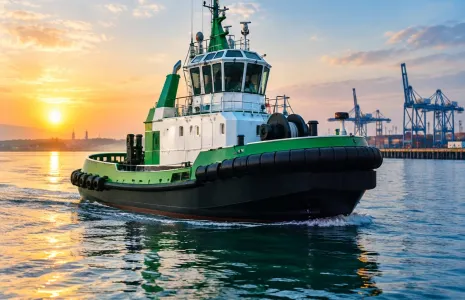
India has taken a major step toward sustainable maritime operations as the Union Minister for Ports, Shipping and Waterways, Sarbananda Sonowal, virtually flagged off the steel-cutting ceremony for the country’s first all-electric green tug. Designed for the Deendayal Port Authority (DPA) in Kandla, the vessel is being developed under the Green Tug Transition Programme (GTTP), the Ministry’s flagship initiative to accelerate maritime decarbonisation.

The virtual ceremony was attended by Minister of State Shantanu Thakur; Secretary Vijay Kumar, IAS; DPA Chairman Sushil Kumar Singh, IRSME; senior DPA officials; representatives from Netincon and Ripley; technical experts from Kongsberg; and engineers from Atreya Shipyard, which is constructing the tug.

Sonowal said the project represents India’s growing commitment to clean energy integration across the maritime sector, aligning closely with the Prime Minister’s vision of sustainable development and technological progress. He added that the milestone reflects India’s ambition to build a greener, more energy-efficient and globally competitive maritime ecosystem.

He noted that the Prime Minister’s “Viksit Bharat” vision places maritime advancement at the centre of India’s economic transformation. The all-electric green tug, he said, demonstrates how innovation is being translated into advanced, world-class assets that strengthen ports, reduce environmental impact and enhance India’s global standing.

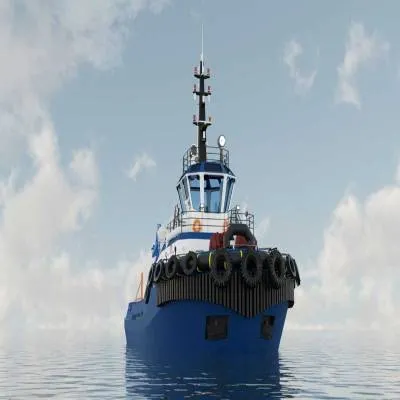
The tug will feature a 60-ton bollard pull capacity with silent operations, zero carbon emissions and high energy efficiency. Its electric propulsion system, advanced navigation features and low-maintenance design are expected to reduce both operational costs and carbon intensity. Officials said the tug will set new standards for fleet modernisation across India’s major ports.

Under the GTTP, the Ministry aims to induct 50 green tugs by 2030, with 16 scheduled for deployment between 2024 and 2027. In Phase 1, two tugs each will be stationed at DPA, Paradip Port Authority, Jawaharlal Nehru Port Authority and V.O. Chidambaranar Port Authority, while one tug each will be deployed at the remaining eight major ports. Four major ports — DPA, VPA, JNPA and VoCPA — have already awarded work orders, with DPA becoming the first to initiate construction.

Sonowal said DPA’s leadership reflects India’s strong commitment to clean-energy port operations. He added that the tug’s construction at Atreya Shipyard supports the Make in India and Make for the World pillars by strengthening domestic shipbuilding capacity and showcasing India’s maritime innovation.

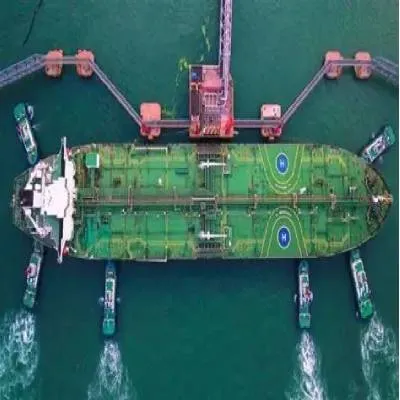
Officials stated that the tug will support harbour manoeuvring, escorting and emergency response activities, all with zero emissions. Its deployment is expected to generate operational insights that will guide future phases of the green tug programme.

The GTTP forms a core part of the Ministry’s sustainability portfolio and aligns with the Maritime India Vision 2030 and India’s broader international decarbonisation commitments.

Concluding the ceremony, Sonowal said India’s progress in green maritime technology reflects a collective national effort. He added that the new tug marks the beginning of a transformative shift toward cleaner, future-ready port operations.

India has taken a major step toward sustainable maritime operations as the Union Minister for Ports, Shipping and Waterways, Sarbananda Sonowal, virtually flagged off the steel-cutting ceremony for the country’s first all-electric green tug. Designed for the Deendayal Port Authority (DPA) in Kandla, the vessel is being developed under the Green Tug Transition Programme (GTTP), the Ministry’s flagship initiative to accelerate maritime decarbonisation. The virtual ceremony was attended by Minister of State Shantanu Thakur; Secretary Vijay Kumar, IAS; DPA Chairman Sushil Kumar Singh, IRSME; senior DPA officials; representatives from Netincon and Ripley; technical experts from Kongsberg; and engineers from Atreya Shipyard, which is constructing the tug. Sonowal said the project represents India’s growing commitment to clean energy integration across the maritime sector, aligning closely with the Prime Minister’s vision of sustainable development and technological progress. He added that the milestone reflects India’s ambition to build a greener, more energy-efficient and globally competitive maritime ecosystem. He noted that the Prime Minister’s “Viksit Bharat” vision places maritime advancement at the centre of India’s economic transformation. The all-electric green tug, he said, demonstrates how innovation is being translated into advanced, world-class assets that strengthen ports, reduce environmental impact and enhance India’s global standing. The tug will feature a 60-ton bollard pull capacity with silent operations, zero carbon emissions and high energy efficiency. Its electric propulsion system, advanced navigation features and low-maintenance design are expected to reduce both operational costs and carbon intensity. Officials said the tug will set new standards for fleet modernisation across India’s major ports. Under the GTTP, the Ministry aims to induct 50 green tugs by 2030, with 16 scheduled for deployment between 2024 and 2027. In Phase 1, two tugs each will be stationed at DPA, Paradip Port Authority, Jawaharlal Nehru Port Authority and V.O. Chidambaranar Port Authority, while one tug each will be deployed at the remaining eight major ports. Four major ports — DPA, VPA, JNPA and VoCPA — have already awarded work orders, with DPA becoming the first to initiate construction. Sonowal said DPA’s leadership reflects India’s strong commitment to clean-energy port operations. He added that the tug’s construction at Atreya Shipyard supports the Make in India and Make for the World pillars by strengthening domestic shipbuilding capacity and showcasing India’s maritime innovation. Officials stated that the tug will support harbour manoeuvring, escorting and emergency response activities, all with zero emissions. Its deployment is expected to generate operational insights that will guide future phases of the green tug programme. The GTTP forms a core part of the Ministry’s sustainability portfolio and aligns with the Maritime India Vision 2030 and India’s broader international decarbonisation commitments. Concluding the ceremony, Sonowal said India’s progress in green maritime technology reflects a collective national effort. He added that the new tug marks the beginning of a transformative shift toward cleaner, future-ready port operations.

Next Story
Real Estate

RBI Rate Cut Boosts Confidence Across Housing Market

Industry Context and Market DynamicsThe real estate industry has welcomed the RBI’s rate cut as a timely boost to affordability and demand. With home prices having risen steadily across major markets, even a marginal reduction in interest rates meaningfully strengthens purchasing power, especially for first-time and mid-income buyers.Ashish Jerath, President – Sales & Marketing, Smartworld Developers, observes:“The RBI’s 25-basis-point cut, bringing the repo rate down to 5.25%, is a timely boost for the real estate sector. Lower interest rates reduce borrowing costs, enabling homeb..

Next Story
Infrastructure Transport

BMC Resumes Rs 170 Billion Road Works, Targets 80 per cent By Jan 2026

Following the withdrawal of the southwest monsoon in October, the Brihanmumbai Municipal Corporation (BMC) has restarted work on 645 roads—covering 297.49 kilometres—under its large-scale concretisation programme. Data shows that more than 60 per cent of the resumed works are located in the western suburbs. Officials said the civic body aims to complete concretisation on 80 per cent of the roads where fresh work has begun by January 2026. Launched in 2022, the Rs 170 billion project seeks to concretise 700 kilometres of roads across Mumbai. All civil works were halted during the monsoon ..

Next Story
Infrastructure Urban

India Pushes Digital Shift In Urban Land Mapping

The Department of Land Resources (DoLR) under the Ministry of Rural Development has convened a National Symposium on NAKSHA – the National Geospatial Knowledge-based Land Survey of Urban Habitations – to advance India’s transition to modern, technology-driven land mapping. Speaking at the inaugural session, Secretary Manoj Joshi underscored the urgent need to move revenue departments away from outdated, tape-based methods and rough hand-drawn sketches. He stressed that adopting latitude–longitude-based digital mapping and GIS-linked registration systems is essential for economic stabi..

Advertisement

Subscribe to Our Newsletter

Get daily newsletters around different themes from Construction world.

STAY CONNECTED

Advertisement

Advertisement

Advertisement

Advertisement

Open In App