India's EV Vision: A Path to Global Sustainable Transportation Leadership
ECONOMY & POLICY

India's EV Vision: A Path to Global Sustainable Transportation Leadership

India is poised to become a global leader in electric vehicles (EVs), with ambitious plans to transform its transportation landscape. As the world's fourth-largest automaker and home to one-sixth of the global population, India is undergoing a significant energy transition. The EV market is projected to surge from USD 3.21 billion in 2022 to an impressive USD 113.99 billion by 2029.

Amitabh Kant, G20 Sherpa and former CEO of NITI Aayog, stresses the urgency of adopting green mobility, stating, “If we don’t shift now, we risk missing the opportunity to become the world's largest EV manufacturer.” Projections indicate that by 2030, India could capture a 30% market share in EVs, targeting 80 million vehicles on the road. Additionally, the Indian EV battery market is set to expand from USD 16.77 billion in 2023 to USD 27.70 billion by 2028.

The government's 7C vision—Common, Connected, Convenient, Congestion-free, Charged, Clean, and Cutting-edge—aims to facilitate low-cost financing, robust charging infrastructure, and collaboration among stakeholders. Ashim Sharma from NRI anticipates that India could achieve 12%-15% vehicle penetration by 2030, positioning itself alongside the US, Europe, and China as a major EV market. He highlights the need for innovation in battery technology and engineering talent, especially for small and mid-sized vehicles.

S&P Global Mobility forecasts that India's electric car penetration could reach 19% by 2030 and 32% by 2035. EV adoption is viewed not as a luxury but as a necessity, with new models, positive consumer feedback, and innovative schemes like Battery-as-a-Service (BaaS) driving this change. Puneet Gupta from S&P anticipates hitting an inflection point of 3.5%-4% penetration by 2026.

Government Initiatives and Industry Trends

China’s success in the EV sector underscores the crucial role of government support in generating demand and supply. Incentives and robust policies have significantly propelled the EV ecosystem. A study by the Massachusetts Institute of Technology highlights that “China focused its resources on an industry it wanted to grow,” while Norway’s high EV adoption rates are attributed to strategic government incentives like tax exemptions and free parking.

Similarly, the newly announced PM E-Drive scheme reflects the Indian government’s commitment to promoting sustainable mobility. Shailesh Chandra, President of the Society of Indian Automobile Manufacturers (SIAM) and Managing Director of Tata Motors Passenger Vehicles Ltd & Tata Passenger Electric Mobility Ltd, believes that PM E-Drive will accelerate EV adoption across India, making clean transportation accessible to all.

Shared and urban mobility solutions, especially passenger EVs, are crucial for reshaping India's transportation framework. Integrating shared electric mobility can alleviate congestion and reduce emissions, fostering a sustainable urban environment. According to a Capgemini report, 41% of Indian consumers appreciate having trained staff for EV-related concerns, surpassing the global average of 33%.

Challenges and Solutions

To overcome obstacles, prioritizing charging infrastructure is essential. Whether through government or private sector initiatives, establishing a comprehensive charging network within two years is critical. Strengthening the business case for this infrastructure will attract investments, with the Faster Adoption and Manufacturing of Hybrid and Electric Vehicles (FAME) program emerging as a key incentive for EV adoption.

Active collaboration with private players, including charging providers and resident welfare associations, is vital for innovative solutions like battery swapping. Furthermore, enhancing the efficiency of incentive schemes under FAME can maximize impact despite limited resources.

Exploring low-cost policies, such as Low-Emission Zones (LEZs) and legalizing e-bike taxis, can spur EV adoption without significant public expenditure. A comprehensive approach focusing on battery technology investments and local manufacturing will accelerate the transition. Ashim Sharma advocates for enhancing skilling initiatives through partnerships with global institutes to develop a competent workforce.

A Growing EV Ecosystem

India has set ambitious targets for EV penetration by 2030, aiming for 30% in private cars, 70% in commercial vehicles, 40% in buses, and 80% in two- and three-wheelers. This translates to a goal of 80 million EVs on Indian roads by 2030. The country also seeks complete domestic EV production through the 'Make in India' initiative.

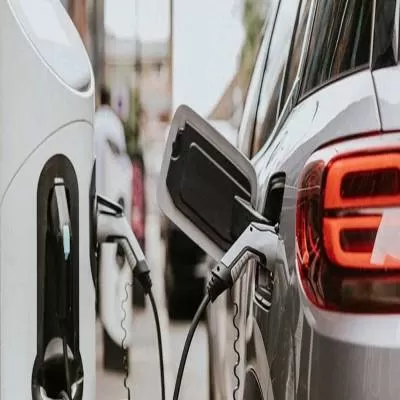
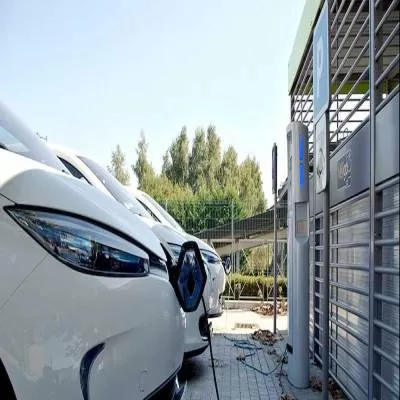
As of February 2024, India boasts 12,146 operational public EV charging stations, but a recent Confederation of Indian Industry (CII) report emphasizes the need for at least 1.32 million charging stations by 2030, requiring over 400,000 installations annually—representing a significant growth opportunity.

Leading automakers are already working to establish the necessary ecosystem, with non-automotive players like JSW and Reliance Infra entering the EV market. JSW MG has committed to full electrification, while Tata Motors and Mahindra & Mahindra are ramping up their efforts. Tata Motors remains a clear leader in the EV sector and aims to sustain its position.

Industry experts believe India is well-positioned to scale up its EV presence, given its success in local production of auto components for internal combustion engines (ICEs). Two decades ago, few anticipated India’s rise as a global player in the auto industry; today, it ranks as the third-largest car producer in the world. Anirudh Bhuwalka, CEO of Blue Energy Motors, envisions new opportunities for innovation in EV with the PM E-Drive.

The dramatic industry surge is fueled by leaders recognizing the long-term benefits of localization. A collaborative spirit between the industry and government is now essential to establish India as a global EV hub. The PM E-Drive scheme aims to expedite the transition to EVs through upfront incentives for purchases and the development of charging infrastructure.

These schemes must enhance their scope, utilization, and efficiency in response to growing demand. Nishant Arya, Vice Chairman & Managing Director of JBM Auto Ltd, asserts that an INR 3,435 crore investment in a payment security mechanism will provide crucial support to OEMs and act as a cornerstone for developing the electric bus sector, attracting substantial global investors.

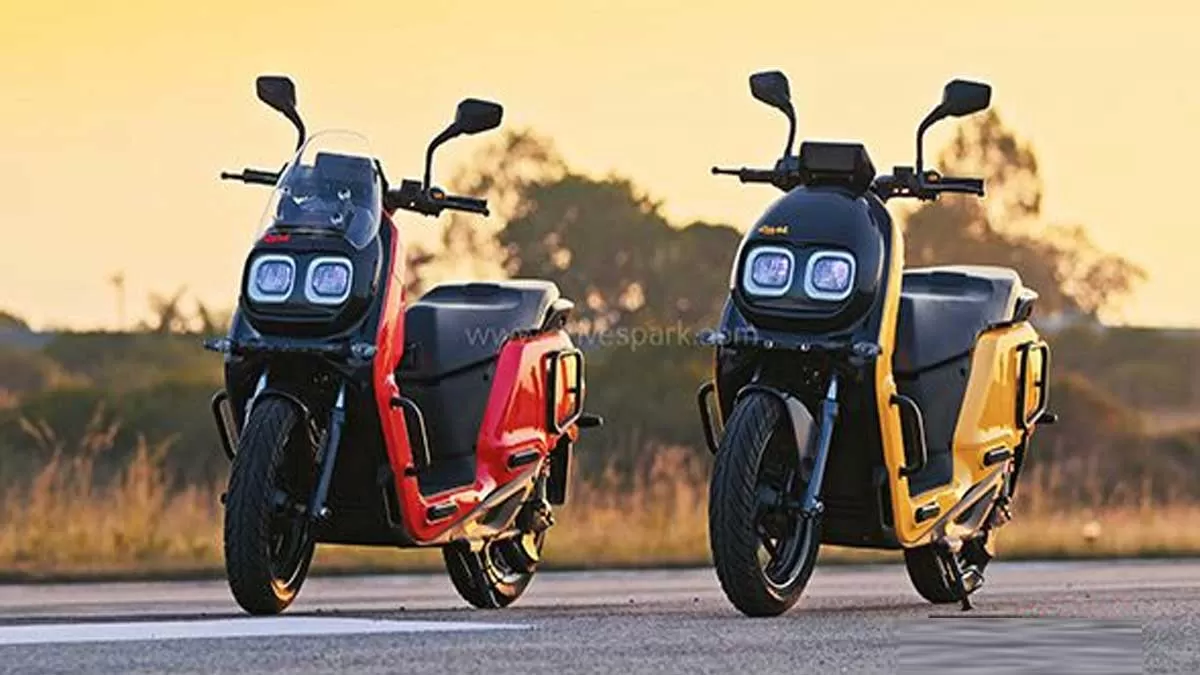
Despite the progress made, the overall impact remains limited, necessitating a significant increase in EV volumes over the next three to four years. Currently, EV penetration is higher in two- and three-wheelers, while the passenger car segment has considerable room for growth. However, the future appears promising. As the EV journey is still in its early stages, greater localization will help keep costs down—a critical factor since subsidies won't last forever. As manufacturers refine their cost structures, sales will soar, creating a demand for skilled workers in the EV market.

Nitin Gupta, CEO and Co-founder of Attero, believes the PM E-Drive presents a significant opportunity to scale up recycling operations and meet the growing demand for sustainable solutions. The government is investing in the development of fast chargers, e-ambulances, e-trucks, and e-buses, creating promising opportunities for strategic partnerships with EV manufacturers and public transport agencies.

In recent months, major announcements from manufacturers like Ford and Tata Motors reveal extensive electrification plans, particularly in Tamil Nadu. Hyundai has also made substantial investments in the state, signaling the establishment of an aggressive roadmap. This momentum will likely increase as free trade agreements with ASEAN, Europe, and the UK progress. Collaborations with international entities for advanced technologies will add significant value to India's EV journey.

India is strategically positioned to create new opportunities in the EV sector, leveraging its strengths in IT and software. The global community is increasingly recognizing India as a reliable hub for manufacturing and supplying electric vehicles.


India is poised to become a global leader in electric vehicles (EVs), with ambitious plans to transform its transportation landscape. As the world's fourth-largest automaker and home to one-sixth of the global population, India is undergoing a significant energy transition. The EV market is projected to surge from USD 3.21 billion in 2022 to an impressive USD 113.99 billion by 2029. Amitabh Kant, G20 Sherpa and former CEO of NITI Aayog, stresses the urgency of adopting green mobility, stating, “If we don’t shift now, we risk missing the opportunity to become the world's largest EV manufacturer.” Projections indicate that by 2030, India could capture a 30% market share in EVs, targeting 80 million vehicles on the road. Additionally, the Indian EV battery market is set to expand from USD 16.77 billion in 2023 to USD 27.70 billion by 2028. The government's 7C vision—Common, Connected, Convenient, Congestion-free, Charged, Clean, and Cutting-edge—aims to facilitate low-cost financing, robust charging infrastructure, and collaboration among stakeholders. Ashim Sharma from NRI anticipates that India could achieve 12%-15% vehicle penetration by 2030, positioning itself alongside the US, Europe, and China as a major EV market. He highlights the need for innovation in battery technology and engineering talent, especially for small and mid-sized vehicles. S&P Global Mobility forecasts that India's electric car penetration could reach 19% by 2030 and 32% by 2035. EV adoption is viewed not as a luxury but as a necessity, with new models, positive consumer feedback, and innovative schemes like Battery-as-a-Service (BaaS) driving this change. Puneet Gupta from S&P anticipates hitting an inflection point of 3.5%-4% penetration by 2026. Government Initiatives and Industry Trends China’s success in the EV sector underscores the crucial role of government support in generating demand and supply. Incentives and robust policies have significantly propelled the EV ecosystem. A study by the Massachusetts Institute of Technology highlights that “China focused its resources on an industry it wanted to grow,” while Norway’s high EV adoption rates are attributed to strategic government incentives like tax exemptions and free parking. Similarly, the newly announced PM E-Drive scheme reflects the Indian government’s commitment to promoting sustainable mobility. Shailesh Chandra, President of the Society of Indian Automobile Manufacturers (SIAM) and Managing Director of Tata Motors Passenger Vehicles Ltd & Tata Passenger Electric Mobility Ltd, believes that PM E-Drive will accelerate EV adoption across India, making clean transportation accessible to all. Shared and urban mobility solutions, especially passenger EVs, are crucial for reshaping India's transportation framework. Integrating shared electric mobility can alleviate congestion and reduce emissions, fostering a sustainable urban environment. According to a Capgemini report, 41% of Indian consumers appreciate having trained staff for EV-related concerns, surpassing the global average of 33%. Challenges and Solutions To overcome obstacles, prioritizing charging infrastructure is essential. Whether through government or private sector initiatives, establishing a comprehensive charging network within two years is critical. Strengthening the business case for this infrastructure will attract investments, with the Faster Adoption and Manufacturing of Hybrid and Electric Vehicles (FAME) program emerging as a key incentive for EV adoption. Active collaboration with private players, including charging providers and resident welfare associations, is vital for innovative solutions like battery swapping. Furthermore, enhancing the efficiency of incentive schemes under FAME can maximize impact despite limited resources. Exploring low-cost policies, such as Low-Emission Zones (LEZs) and legalizing e-bike taxis, can spur EV adoption without significant public expenditure. A comprehensive approach focusing on battery technology investments and local manufacturing will accelerate the transition. Ashim Sharma advocates for enhancing skilling initiatives through partnerships with global institutes to develop a competent workforce. A Growing EV Ecosystem India has set ambitious targets for EV penetration by 2030, aiming for 30% in private cars, 70% in commercial vehicles, 40% in buses, and 80% in two- and three-wheelers. This translates to a goal of 80 million EVs on Indian roads by 2030. The country also seeks complete domestic EV production through the 'Make in India' initiative. As of February 2024, India boasts 12,146 operational public EV charging stations, but a recent Confederation of Indian Industry (CII) report emphasizes the need for at least 1.32 million charging stations by 2030, requiring over 400,000 installations annually—representing a significant growth opportunity. Leading automakers are already working to establish the necessary ecosystem, with non-automotive players like JSW and Reliance Infra entering the EV market. JSW MG has committed to full electrification, while Tata Motors and Mahindra & Mahindra are ramping up their efforts. Tata Motors remains a clear leader in the EV sector and aims to sustain its position. Industry experts believe India is well-positioned to scale up its EV presence, given its success in local production of auto components for internal combustion engines (ICEs). Two decades ago, few anticipated India’s rise as a global player in the auto industry; today, it ranks as the third-largest car producer in the world. Anirudh Bhuwalka, CEO of Blue Energy Motors, envisions new opportunities for innovation in EV with the PM E-Drive. The dramatic industry surge is fueled by leaders recognizing the long-term benefits of localization. A collaborative spirit between the industry and government is now essential to establish India as a global EV hub. The PM E-Drive scheme aims to expedite the transition to EVs through upfront incentives for purchases and the development of charging infrastructure. These schemes must enhance their scope, utilization, and efficiency in response to growing demand. Nishant Arya, Vice Chairman & Managing Director of JBM Auto Ltd, asserts that an INR 3,435 crore investment in a payment security mechanism will provide crucial support to OEMs and act as a cornerstone for developing the electric bus sector, attracting substantial global investors. Despite the progress made, the overall impact remains limited, necessitating a significant increase in EV volumes over the next three to four years. Currently, EV penetration is higher in two- and three-wheelers, while the passenger car segment has considerable room for growth. However, the future appears promising. As the EV journey is still in its early stages, greater localization will help keep costs down—a critical factor since subsidies won't last forever. As manufacturers refine their cost structures, sales will soar, creating a demand for skilled workers in the EV market. Nitin Gupta, CEO and Co-founder of Attero, believes the PM E-Drive presents a significant opportunity to scale up recycling operations and meet the growing demand for sustainable solutions. The government is investing in the development of fast chargers, e-ambulances, e-trucks, and e-buses, creating promising opportunities for strategic partnerships with EV manufacturers and public transport agencies. In recent months, major announcements from manufacturers like Ford and Tata Motors reveal extensive electrification plans, particularly in Tamil Nadu. Hyundai has also made substantial investments in the state, signaling the establishment of an aggressive roadmap. This momentum will likely increase as free trade agreements with ASEAN, Europe, and the UK progress. Collaborations with international entities for advanced technologies will add significant value to India's EV journey. India is strategically positioned to create new opportunities in the EV sector, leveraging its strengths in IT and software. The global community is increasingly recognizing India as a reliable hub for manufacturing and supplying electric vehicles.
Next Story
Infrastructure Urban

VECV Sales Rise 7.8 Per Cent In May 2026

VE Commercial Vehicles recorded sales of 7,978 units in May 2026, compared to 7,401 units in May 2025, registering growth of 7.8 per cent. This included 7,789 units from the Eicher brand and 189 units from the Volvo brand.Eicher branded trucks and buses reported sales of 7,789 units during the month, up 7.3 per cent from 7,258 units a year earlier. In the domestic commercial vehicle market, Eicher sales rose 9.1 per cent to 7,375 units from 6,758 units in May 2025.Exports declined 17.2 per cent to 414 units from 500 units in the corresponding month last year. Volvo Trucks and Volvo Buses recor..

Next Story
Infrastructure Urban

Table Space Strengthens DESYN Leadership Team

Table Space has announced strategic leadership appointments within DESYN, its integrated Design and Build business, as it looks to strengthen operations across key enterprise and GCC markets in India. DESYN was launched as a strategic extension of Table Space’s workspace solutions portfolio to meet rising demand for agile, high-quality and rapidly deployable enterprise workspaces.Shruti Ookabhoy has joined DESYN as Executive Director and will lead the Design vertical, focusing on design capability, operational excellence and team development across markets. She brings over 22 years of experi..

Next Story
Infrastructure Transport

Concord Associate Bags Rs 2.79 Bn Kavach Order

Concord Control Systems said its associate company, Progota India, has received a Rs 2.79 bn domestic order from Indian Railways for the supply, installation, testing and commissioning of on-board Kavach 4.0 loco equipment.The order is scheduled for execution within 12 months and strengthens Concord’s role in India’s railway safety and signalling ecosystem. Kavach is India’s indigenous automatic train protection system, designed to improve operational safety by helping prevent signal passing at danger and reducing collision risks.Gaurav Lath, Joint Managing Director, Concord Control Syst..

Advertisement

Subscribe to Our Newsletter

Get daily newsletters around different themes from Construction world.

STAY CONNECTED

Advertisement

Advertisement

Advertisement