JSW Steel Plans Rs 2 Trillion Investment, Capacity Surge
ECONOMY & POLICY

JSW Steel Plans Rs 2 Trillion Investment, Capacity Surge

JSW Steel, India’s largest steel producer, is considering investments exceeding Rs 2 trillion over the next five years to add nearly 25 million tonnes of new capacity, driven by expectations of sustained demand growth and strong opportunities in the domestic market.

The proposed investment will be funded through internal cash flows and a measured level of debt. Capital will also be deployed towards downstream facilities for value-added products, mine development, digital infrastructure and artificial intelligence adoption.

The company’s board has approved a 5 million tonne capacity addition at a new site in Paradip, Odisha, pushing ongoing capital expenditure beyond Rs 1 trillion. Following this expansion, JSW Steel’s domestic capacity is expected to reach 47.4 million tonnes by 2030. The management indicated that several additional projects could receive board approvals over the next one to two years.

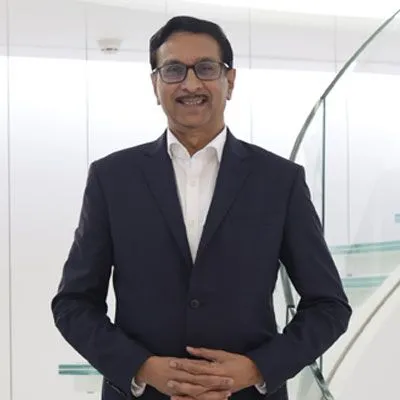
According to Joint Managing Director and Chief Executive Officer Jayant Acharya, the company’s total investment could surpass Rs 2 trillion as expansion plans progress. Beyond ongoing projects, JSW Steel is evaluating a further 5 million tonne expansion at Vijayanagar in Karnataka and a 2 million tonne green steel facility at Salav in Maharashtra. These additions could lift capacity beyond 56 million tonnes by FY31.

The company also has options to expand the Paradip plant by another 5 million tonnes, double Salav’s capacity to 4 million tonnes, and increase Bhushan Power and Steel Ltd’s capacity to 10 million tonnes from 4.5 million tonnes in partnership with Japan’s JFE Steel.

Despite multi-year lows in steel prices during the previous quarter, prices recovered from mid-December through January. JSW Steel reported EBITDA of Rs 223.35 billion over nine months, nearing its FY25 performance. Annualised EBITDA of around Rs 300 billion is expected to rise further by FY28, supported by an additional 7 million tonnes of capacity coming on stream.

JSW Steel also plans to deleverage its balance sheet by Rs 370 billion by June, following JFE Steel’s acquisition of a 50 per cent stake in Bhushan Power and Steel Ltd. This move is expected to support expansion while maintaining financial discipline.

Acharya said additional production volumes are likely to be absorbed by the domestic market, with incremental consumption of 11 million tonnes and 13 million tonnes expected in FY26 and FY27, respectively. Public expenditure is anticipated to play a key role, alongside emerging signs of private capital expenditure driven by structural reforms and tax measures.

If India’s steel consumption momentum continues, JSW Steel expects it to offset challenges in export markets, particularly Europe, where carbon border adjustment mechanisms are being implemented. The company plans to redirect volumes towards domestic and non-European markets to sustain growth.

JSW Steel, India’s largest steel producer, is considering investments exceeding Rs 2 trillion over the next five years to add nearly 25 million tonnes of new capacity, driven by expectations of sustained demand growth and strong opportunities in the domestic market. The proposed investment will be funded through internal cash flows and a measured level of debt. Capital will also be deployed towards downstream facilities for value-added products, mine development, digital infrastructure and artificial intelligence adoption. The company’s board has approved a 5 million tonne capacity addition at a new site in Paradip, Odisha, pushing ongoing capital expenditure beyond Rs 1 trillion. Following this expansion, JSW Steel’s domestic capacity is expected to reach 47.4 million tonnes by 2030. The management indicated that several additional projects could receive board approvals over the next one to two years. According to Joint Managing Director and Chief Executive Officer Jayant Acharya, the company’s total investment could surpass Rs 2 trillion as expansion plans progress. Beyond ongoing projects, JSW Steel is evaluating a further 5 million tonne expansion at Vijayanagar in Karnataka and a 2 million tonne green steel facility at Salav in Maharashtra. These additions could lift capacity beyond 56 million tonnes by FY31. The company also has options to expand the Paradip plant by another 5 million tonnes, double Salav’s capacity to 4 million tonnes, and increase Bhushan Power and Steel Ltd’s capacity to 10 million tonnes from 4.5 million tonnes in partnership with Japan’s JFE Steel. Despite multi-year lows in steel prices during the previous quarter, prices recovered from mid-December through January. JSW Steel reported EBITDA of Rs 223.35 billion over nine months, nearing its FY25 performance. Annualised EBITDA of around Rs 300 billion is expected to rise further by FY28, supported by an additional 7 million tonnes of capacity coming on stream. JSW Steel also plans to deleverage its balance sheet by Rs 370 billion by June, following JFE Steel’s acquisition of a 50 per cent stake in Bhushan Power and Steel Ltd. This move is expected to support expansion while maintaining financial discipline. Acharya said additional production volumes are likely to be absorbed by the domestic market, with incremental consumption of 11 million tonnes and 13 million tonnes expected in FY26 and FY27, respectively. Public expenditure is anticipated to play a key role, alongside emerging signs of private capital expenditure driven by structural reforms and tax measures. If India’s steel consumption momentum continues, JSW Steel expects it to offset challenges in export markets, particularly Europe, where carbon border adjustment mechanisms are being implemented. The company plans to redirect volumes towards domestic and non-European markets to sustain growth.

Next Story
Infrastructure Urban

CFI Appoints New National Council for FY27 and FY28

The Construction Federation of India (CFI) has announced its newly elected National Council and office bearers for a two-year term covering FY27 and FY28. M. V. Satish, Advisor to CMD and Lead Ambassador for Middle East, L&T, has been elected President; Priti Patel, Chief Strategy & Growth Officer, Tata Projects, has been appointed Vice President; and Ajit Bhate, Managing Director, Precast India Infrastructures, has taken charge as Treasurer.The newly formed National Council brings together senior leaders from major EPC and infrastructure companies, reflecting CFI’s continued focus o..

Next Story
Infrastructure Urban

India REIT Market Gains Momentum with Strong Returns

India’s Real Estate Investment Trust (REIT) market is witnessing strong growth, emerging as a competitive investment avenue both domestically and across Asia. According to a recent ANAROCK report released at EXCELERATE 2026 by NAREDCO Maharashtra NextGen, the sector is evolving into a mature asset class driven by solid fundamentals, regulatory backing and rising investor confidence.The introduction of Small and Medium REITs (SM REITs) in 2025 has further widened access through fractional ownership, unlocking a potential monetisation opportunity of Rs 670–710 billion. Indian REITs have deli..

Next Story
Infrastructure Energy

G R Infraprojects Secures Rs 4,130 Million BESS Contract From NTPC

G R Infraprojects said it has secured a contract from NTPC to supply and implement a battery energy storage system (BESS) valued at Rs 4,130 million (mn). The company reported the order was awarded as part of NTPC's ongoing efforts to enhance grid flexibility and energy storage capacity. The contract represents a notable addition to the firm's project pipeline and underscores demand for utility scale storage solutions. The award is expected to strengthen G R Infraprojects' presence in the energy infrastructure sector and to contribute to the firm's order book and future revenues, subject to st..

Advertisement

Subscribe to Our Newsletter

Get daily newsletters around different themes from Construction world.

STAY CONNECTED

Advertisement

Advertisement

Advertisement