PM Modi to lay foundation stones for Varanasi projects
ECONOMY & POLICY

PM Modi to lay foundation stones for Varanasi projects

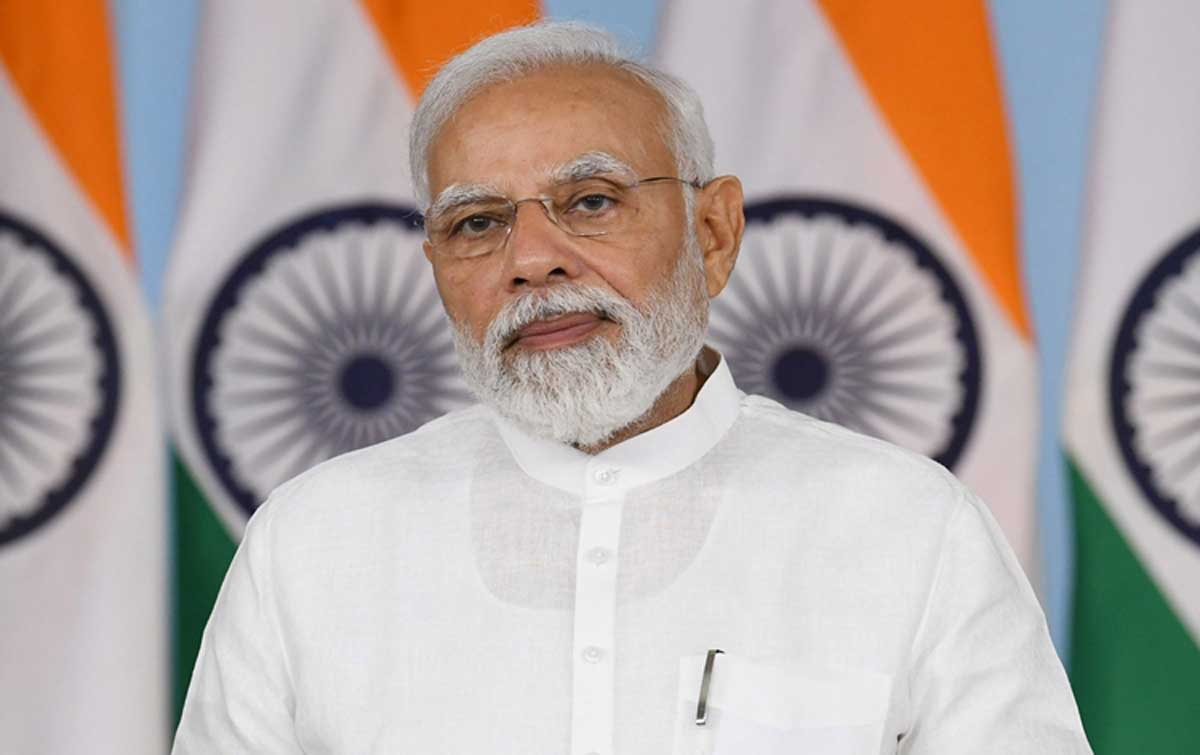
Prime Minister Narendra Modi has a scheduled visit to Varanasi, his parliamentary constituency, on July 17. During this visit, he will lay the foundation stones for various projects worth approximately Rs 30 billion. In preparation for the visit, Uttar Pradesh Chief Minister Yogi Adityanath recently held a review meeting with senior officials to discuss the progress of development projects. One of the key highlights of the visit will be the laying of the foundation stone for the restoration and redevelopment of Manikarnika Ghat.

The state government spokesperson emphasised the government's dedicated focus on modernising and improving accessibility to the crematorium at Manikarnika Ghat, which is considered an iconic site in the country. The redevelopment work at the ghat will be funded through the Corporate Social Responsibility (CSR) fund. In addition to the ghat, the beautification of Manikarnika Kund, Ratneshwar Mahadev Temple, and other surrounding areas is also planned. Manikarnika Ghat holds significance for people from Bihar, Chhattisgarh, and Purvanchal who come to perform the last rites of their loved ones.

To achieve this, the Yogi government has proposed a comprehensive redevelopment plan for the ghat and the nearby heritage buildings and temples. According to a spokesperson, the buildings from Manikarnika Ghat to Tarakeshwar Temple will be developed in the Nagara architectural style, featuring three stories up to Tarakeshwar Mahadev Temple. This development will extend from Tarakeshwar Mahadev to Dattatreya Paduka, covering a distance of 300 to 400 meters.

As part of the redevelopment and restoration project, an official from the planning and designing company estimated the cost to be Rs 175.6 million. Additionally, the government plans to construct a dedicated plaza for wood sellers, which will include storage facilities. They also aim to build a ramp for water transport to facilitate the transportation of wood to the ghat. Furthermore, public toilets, drinking water facilities, and other necessary amenities will be provided for the convenience of the public.

Prime Minister Narendra Modi has a scheduled visit to Varanasi, his parliamentary constituency, on July 17. During this visit, he will lay the foundation stones for various projects worth approximately Rs 30 billion. In preparation for the visit, Uttar Pradesh Chief Minister Yogi Adityanath recently held a review meeting with senior officials to discuss the progress of development projects. One of the key highlights of the visit will be the laying of the foundation stone for the restoration and redevelopment of Manikarnika Ghat.The state government spokesperson emphasised the government's dedicated focus on modernising and improving accessibility to the crematorium at Manikarnika Ghat, which is considered an iconic site in the country. The redevelopment work at the ghat will be funded through the Corporate Social Responsibility (CSR) fund. In addition to the ghat, the beautification of Manikarnika Kund, Ratneshwar Mahadev Temple, and other surrounding areas is also planned. Manikarnika Ghat holds significance for people from Bihar, Chhattisgarh, and Purvanchal who come to perform the last rites of their loved ones.To achieve this, the Yogi government has proposed a comprehensive redevelopment plan for the ghat and the nearby heritage buildings and temples. According to a spokesperson, the buildings from Manikarnika Ghat to Tarakeshwar Temple will be developed in the Nagara architectural style, featuring three stories up to Tarakeshwar Mahadev Temple. This development will extend from Tarakeshwar Mahadev to Dattatreya Paduka, covering a distance of 300 to 400 meters.As part of the redevelopment and restoration project, an official from the planning and designing company estimated the cost to be Rs 175.6 million. Additionally, the government plans to construct a dedicated plaza for wood sellers, which will include storage facilities. They also aim to build a ramp for water transport to facilitate the transportation of wood to the ghat. Furthermore, public toilets, drinking water facilities, and other necessary amenities will be provided for the convenience of the public.

Next Story
Infrastructure Transport

Large Format Store Planned At M G Road Metro Station

M G Road station in Bengaluru is set to host the city’s first large-format commercial and experience space, with planning led by Bangalore Metro Rail Corporation Limited. BMRCL has invited proposals to develop and operate a central business district destination at the Purple?Pink Line interchange. The plan positions the station as a commercial hub designed to serve a broad commuter base across the city. The proposal is part of a broader effort to activate transit nodes commercially. Tender documents set a minimum monthly rental of Rs 0.944 million (mn), inclusive of GST, for the large-format..

Next Story
Infrastructure Energy

Government Cancels Auction Of Eleven Critical Mineral Blocks

The government has cancelled the auction of 11 critical and strategic mineral blocks after receiving a poor investor response and failing to attract a sufficient number of qualified bidders. The decision represents a setback to plans to ramp up domestic exploration and production of critical minerals amid global supply chain disruptions and rising demand for materials used in clean energy and advanced technologies. The mines ministry issued an annulment notice setting out the reasons for the cancellations. The annulment notice indicated that the auction process for five mineral blocks was canc..

Next Story
Infrastructure Energy

Gujarat Pushes Biogas Growth With 193 Operational Units

Gujarat has operationalised 193 biogas plants across the state and is planning to add 60 more units as part of a broader push to scale up clean and sustainable energy solutions. The existing plants, established under various government-supported schemes, process organic waste including cattle dung and agricultural residue to produce biogas and a nutrient-rich slurry. The output is mainly used for cooking and other energy needs in rural and semi-urban communities, while also improving local waste management practices. The Gujarat Energy Development Agency (GEDA) is leading the initiative and is..

Advertisement

Subscribe to Our Newsletter

Get daily newsletters around different themes from Construction world.

STAY CONNECTED

Advertisement

Advertisement

Advertisement