

Tata, Shell Partner for EV Charging
ECONOMY & POLICY

Tata, Shell Partner for EV Charging

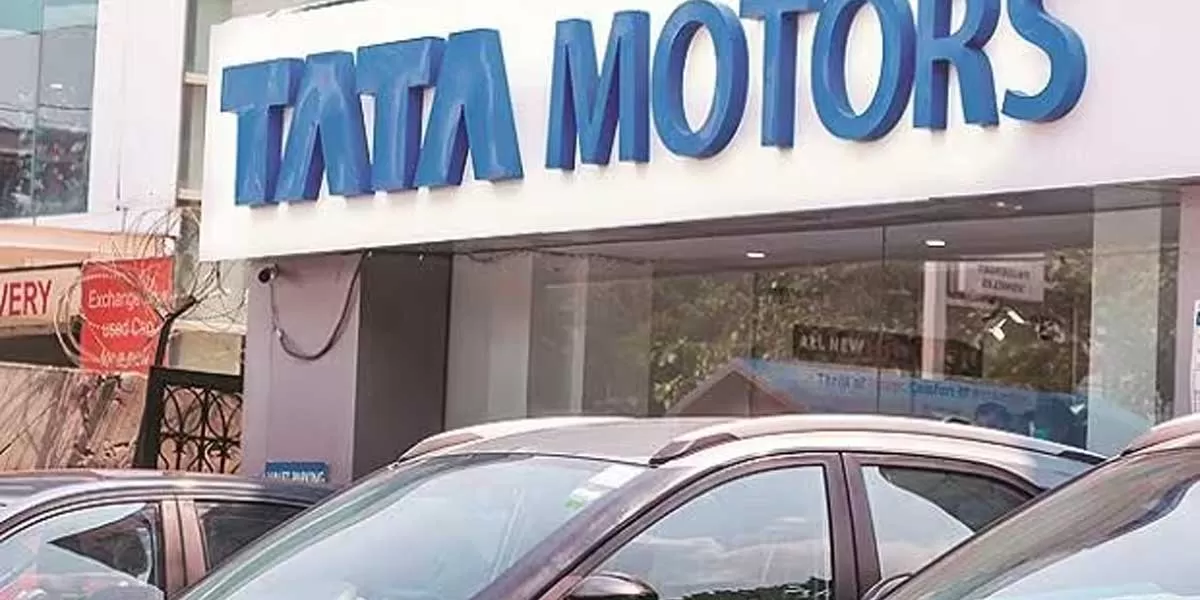
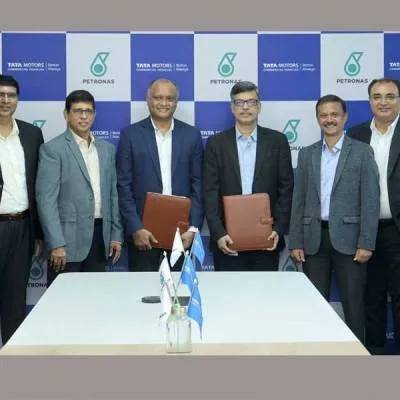
Tata Motors, a leading automobile manufacturer, has forged a strategic partnership with Shell India to bolster the infrastructure for electric vehicles (EVs) in India. This collaboration aims to address the growing demand for EV charging solutions across the country.

The partnership between Tata Motors and Shell India signifies a significant step towards promoting sustainable mobility in India. With the rising concerns about climate change and pollution, there is a pressing need to transition towards cleaner transportation alternatives, such as electric vehicles. By combining their expertise and resources, Tata Motors and Shell India aim to accelerate the adoption of EVs by expanding the charging infrastructure network.

As part of this collaboration, Tata Motors will leverage its extensive experience in manufacturing electric vehicles, including passenger cars and commercial vehicles. Meanwhile, Shell India, a subsidiary of the global energy giant Royal Dutch Shell, will contribute its expertise in energy solutions and infrastructure development.

One of the key objectives of this partnership is to establish a robust network of EV charging stations across key locations in India. By deploying high-quality charging infrastructure, Tata Motors and Shell India seek to enhance the convenience and accessibility of EV charging for consumers, thereby encouraging more people to switch to electric vehicles.

Moreover, this collaboration underscores the commitment of both companies towards sustainability and environmental stewardship. By promoting the adoption of electric vehicles, Tata Motors and Shell India aim to reduce greenhouse gas emissions and contribute towards building a cleaner and greener future for India.

Overall, the partnership between Tata Motors and Shell India represents a significant milestone in India's journey towards sustainable mobility. It reflects a shared vision to drive positive change in the automotive industry and pave the way for a more sustainable future.

"Join industry leaders at RAHSTA Expo, India's premier platform for roads, highways and traffic infrastructure. Register now to explore innovations, network with experts and shape the future of mobility."

Tata Motors, a leading automobile manufacturer, has forged a strategic partnership with Shell India to bolster the infrastructure for electric vehicles (EVs) in India. This collaboration aims to address the growing demand for EV charging solutions across the country. The partnership between Tata Motors and Shell India signifies a significant step towards promoting sustainable mobility in India. With the rising concerns about climate change and pollution, there is a pressing need to transition towards cleaner transportation alternatives, such as electric vehicles. By combining their expertise and resources, Tata Motors and Shell India aim to accelerate the adoption of EVs by expanding the charging infrastructure network. As part of this collaboration, Tata Motors will leverage its extensive experience in manufacturing electric vehicles, including passenger cars and commercial vehicles. Meanwhile, Shell India, a subsidiary of the global energy giant Royal Dutch Shell, will contribute its expertise in energy solutions and infrastructure development. One of the key objectives of this partnership is to establish a robust network of EV charging stations across key locations in India. By deploying high-quality charging infrastructure, Tata Motors and Shell India seek to enhance the convenience and accessibility of EV charging for consumers, thereby encouraging more people to switch to electric vehicles. Moreover, this collaboration underscores the commitment of both companies towards sustainability and environmental stewardship. By promoting the adoption of electric vehicles, Tata Motors and Shell India aim to reduce greenhouse gas emissions and contribute towards building a cleaner and greener future for India. Overall, the partnership between Tata Motors and Shell India represents a significant milestone in India's journey towards sustainable mobility. It reflects a shared vision to drive positive change in the automotive industry and pave the way for a more sustainable future.

Next Story
Technology

Crushing Goes Green

If the past few years have seen sustainability emerge as a buzzword in the design of commercial spaces, the next few years will see the focus shift to ‘experience’. Workplaces that prioritise superior employee experiences consistently report stronger talent attraction and higher retention rates and productivity, while using resources sustainably.First things first; what sort of experiences are expected from a workplace?As Vandana Dhawan Saxena, Founder and Design Principal, Studio IV Designs, explains, “Offices have grown into environments that need to support various kinds of experience..

Next Story
Real Estate

The Great Workplace Reset

If the past few years have seen sustainability emerge as a buzzword in the design of commercial spaces, the next few years will see the focus shift to ‘experience’. Workplaces that prioritise superior employee experiences consistently report stronger talent attraction and higher retention rates and productivity, while using resources sustainably.First things first; what sort of experiences are expected from a workplace?As Vandana Dhawan Saxena, Founder and Design Principal, Studio IV Designs, explains, “Offices have grown into environments that need to support various kinds of experience..

Next Story
Infrastructure Transport

Tunnels and Bridges: Critical Links

Scores of point-to-point road connectivity projects across India have improved mobility and reduced travel time. But a shortcoming of point-to-point roads is that they don’t always unlock the full economic potential of the regions being connected, by creating opportunities for manufacturing, investments and employment along the route, thereby, effectively supporting India’s long-term growth ambitions.Consequently, the past decade in particular has seen a shift to corridor-led development, wherein infrastructure is planned as part of a larger economic ecosystem, explains Satyanarayan Purohi..

Advertisement

Subscribe to Our Newsletter

Get daily newsletters around different themes from Construction world.

STAY CONNECTED

Advertisement

Advertisement

Advertisement