Vedanta Aluminium Expands Alloy Capacity in Jharsuguda
ECONOMY & POLICY

Vedanta Aluminium Expands Alloy Capacity in Jharsuguda

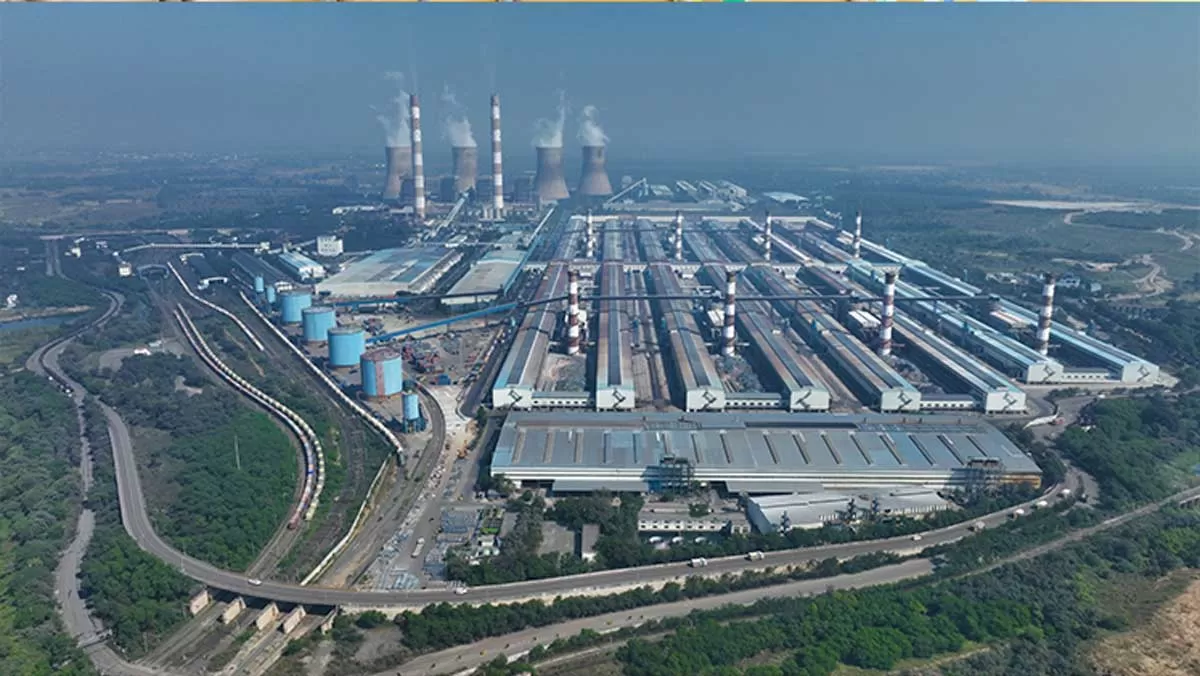
Vedanta Aluminium, India’s largest aluminium producer, has announced a significant expansion at its Special Economic Zone facility in Jharsuguda. The company has increased the installed capacity of its Primary Foundry Alloy (PFA) unit by 120 kilo tonnes per annum. This move reinforces India’s standing as a global supplier of advanced aluminium products for automotive and engineering industries. Vedanta Aluminium was the first Indian company to produce and supply PFAs domestically.
PFAs are essential for manufacturing automotive parts such as alloy wheels, engine blocks, cylinder heads, and transmission housings. Known for their strength, thermal conductivity, and castability, these alloys are crucial for modern vehicles focused on fuel efficiency and emission control. Vedanta’s PFAs meet stringent global standards, including BS-VI and CAFE norms, making them the preferred choice for major automakers worldwide.
The expansion comes as the global PFA market grows at 5.8% CAGR, with India outpacing it at 6.5% annually. Projections indicate that India’s PFA demand will rise at 7% CAGR over the next five years, driven by the growth of the automotive sector, the Make in India initiative, and the shift to electric and lightweight vehicles.
Rajiv Kumar, CEO of Vedanta Aluminium, said, “This expansion is a major milestone that enhances value for customers and positions India as a global hub for advanced aluminium solutions while supporting the Aatmanirbhar Bharat mission.” COO Sunil Gupta added that expanding the product portfolio will aid the move towards lightweight, fuel-efficient vehicles and boost indigenous manufacturing.
The Jharsuguda facility features advanced casting lines from Befesa, Spain, along with in-line metal treatment, degassing, and vertical chill casting technology to ensure high quality. Vedanta’s ASI Chain of Custody certification further underscores its commitment to sustainability and responsible sourcing, covering PFAs, billets, wire rods, and its low-carbon aluminium products.

Vedanta Aluminium, India’s largest aluminium producer, has announced a significant expansion at its Special Economic Zone facility in Jharsuguda. The company has increased the installed capacity of its Primary Foundry Alloy (PFA) unit by 120 kilo tonnes per annum. This move reinforces India’s standing as a global supplier of advanced aluminium products for automotive and engineering industries. Vedanta Aluminium was the first Indian company to produce and supply PFAs domestically.PFAs are essential for manufacturing automotive parts such as alloy wheels, engine blocks, cylinder heads, and transmission housings. Known for their strength, thermal conductivity, and castability, these alloys are crucial for modern vehicles focused on fuel efficiency and emission control. Vedanta’s PFAs meet stringent global standards, including BS-VI and CAFE norms, making them the preferred choice for major automakers worldwide.The expansion comes as the global PFA market grows at 5.8% CAGR, with India outpacing it at 6.5% annually. Projections indicate that India’s PFA demand will rise at 7% CAGR over the next five years, driven by the growth of the automotive sector, the Make in India initiative, and the shift to electric and lightweight vehicles.Rajiv Kumar, CEO of Vedanta Aluminium, said, “This expansion is a major milestone that enhances value for customers and positions India as a global hub for advanced aluminium solutions while supporting the Aatmanirbhar Bharat mission.” COO Sunil Gupta added that expanding the product portfolio will aid the move towards lightweight, fuel-efficient vehicles and boost indigenous manufacturing.The Jharsuguda facility features advanced casting lines from Befesa, Spain, along with in-line metal treatment, degassing, and vertical chill casting technology to ensure high quality. Vedanta’s ASI Chain of Custody certification further underscores its commitment to sustainability and responsible sourcing, covering PFAs, billets, wire rods, and its low-carbon aluminium products.

Next Story
Infrastructure Transport

Pune To Build Nine Km Link Road Between Highways

The Pune Municipal Corporation (PMC) has decided to appoint an expert to plan the development of a nine km long, 60 metre wide road from Khadi Machine chowk to Wadki chowk as an extension to the Katraj-Kondhwa road to link the Mumbai-Satara and Pune-Solapur national highways. The scheme is intended to divert heavy vehicle traffic away from the city and improve access between the two arterial routes. The project has been prioritised by the PMC and forms part of a larger set of schemes in which 19 roads have been identified for development at a combined cost of Rs 9.82 billion (bn) to address c..

Next Story
Infrastructure Transport

Barabanki Bahraich Six Lane Highway Approved in Uttar Pradesh

The Uttar Pradesh government has approved construction of a new six-lane highway linking Barabanki and Bahraich as part of National Highway 927, and the cabinet has cleared the project. The alignment will pass through Mustafabad and Kaiserganj and extend for about 101.5 km, creating a key corridor for local and long-distance movement. The National Highways Authority of India will oversee the work and has signalled the scheme is intended to strengthen regional connectivity and cross-border access to Nepal. The project carries an estimated total cost of Rs 69,690 million, equivalent to Rs 69.69..

Next Story
Infrastructure Transport

Toll At Kharegaon Likely As Highway Upgrade Nears Completion

A section of the highway at Kharegaon has undergone an upgrade and is approaching completion, and authorities have indicated plans for a toll to be introduced once works finish. The project has focused on strengthening the carriageway, improving drainage and upgrading intersections to enhance safety and capacity. Officials have said the toll will be used to recover construction costs and fund ongoing maintenance. The upgrade included resurfacing of the pavement, widening of certain stretches and installation of modern signage and lighting to reduce accident risk. Contractors completed most ma..

Advertisement

Subscribe to Our Newsletter

Get daily newsletters around different themes from Construction world.

STAY CONNECTED

Advertisement

Advertisement

Advertisement