Vedanta Aluminium Showcases Kalahandi as Tribal-Led Growth Model
ECONOMY & POLICY

Vedanta Aluminium Showcases Kalahandi as Tribal-Led Growth Model

On World Tribal Day, Vedanta Aluminium, India’s largest aluminium producer, marked the remarkable transformation of Kalahandi from one of Odisha’s most deprived districts into a model for tribal-led development. Once contributing less than 1% to the state’s GDDP in 2001, with per capita income around Rs 19,000, the district now leads in Health & Nutrition and ranks second in Education under NITI Aayog’s Aspirational District Programme. Between 2003 and 2015, Kalahandi’s GDDP growth exceeded 16%, over twice the state average.

At a recent NITI Aayog review, Kalahandi achieved 100% success in five of six key indicators, including women and child health, nutrition, education, and agriculture. Vedanta Aluminium CEO Rajiv Kumar said the company’s mission extended beyond business to inclusive and sustainable rural development.

Flagship initiatives include the DAV Vedanta International School, educating over 1,300 students—83% from tribal communities—with NEET and JEE coaching; the Lanjigarh hospital serving 60,000 annually plus 20,000 via mobile units; and grassroots sports, where 300 tribal archers have won 40 medals under Olympian mentorship.

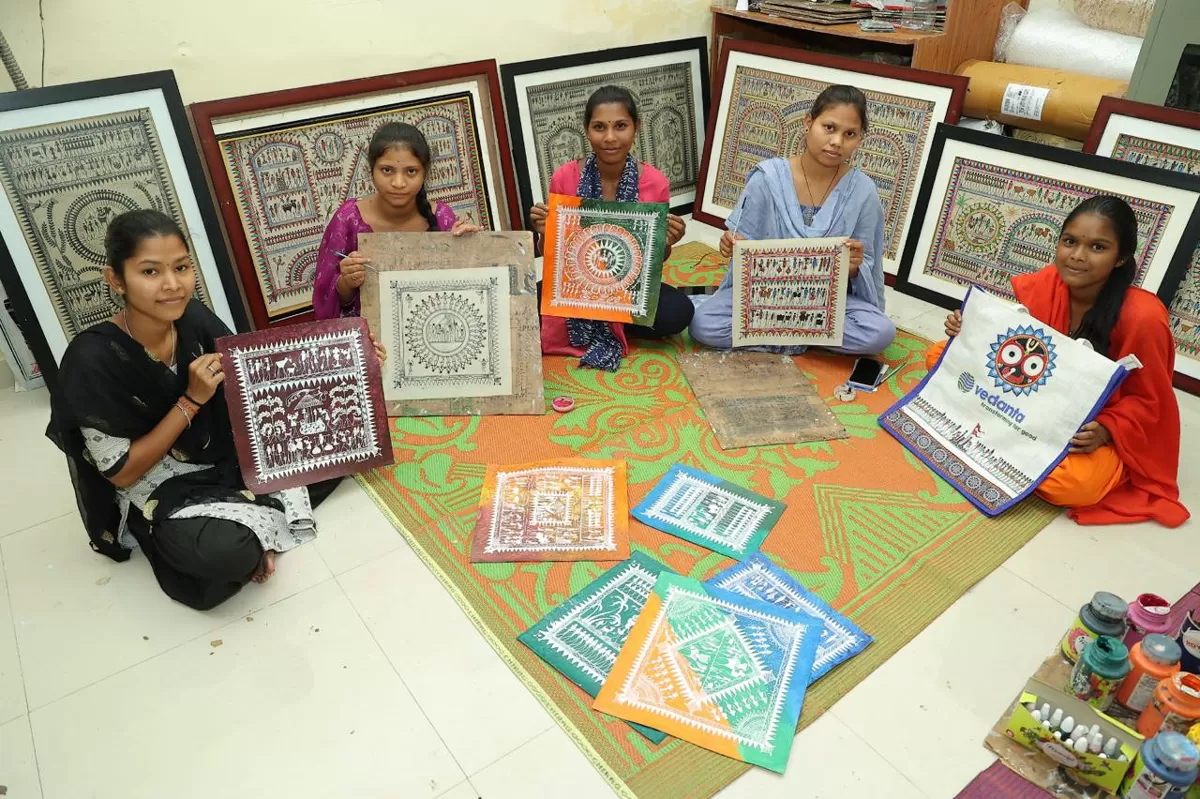
Cultural revival through Project Adikala has empowered 120 artisans in Saura and Dhokra crafts, while Project Sakhi supports 4,900 women in 471 SHGs engaged in 1,500 income activities. Skill programmes with NABARD train youth in trades and modern agriculture. The integrated approach has fostered economic resilience while preserving tribal identity.

On World Tribal Day, Vedanta Aluminium, India’s largest aluminium producer, marked the remarkable transformation of Kalahandi from one of Odisha’s most deprived districts into a model for tribal-led development. Once contributing less than 1% to the state’s GDDP in 2001, with per capita income around Rs 19,000, the district now leads in Health & Nutrition and ranks second in Education under NITI Aayog’s Aspirational District Programme. Between 2003 and 2015, Kalahandi’s GDDP growth exceeded 16%, over twice the state average.At a recent NITI Aayog review, Kalahandi achieved 100% success in five of six key indicators, including women and child health, nutrition, education, and agriculture. Vedanta Aluminium CEO Rajiv Kumar said the company’s mission extended beyond business to inclusive and sustainable rural development.Flagship initiatives include the DAV Vedanta International School, educating over 1,300 students—83% from tribal communities—with NEET and JEE coaching; the Lanjigarh hospital serving 60,000 annually plus 20,000 via mobile units; and grassroots sports, where 300 tribal archers have won 40 medals under Olympian mentorship.Cultural revival through Project Adikala has empowered 120 artisans in Saura and Dhokra crafts, while Project Sakhi supports 4,900 women in 471 SHGs engaged in 1,500 income activities. Skill programmes with NABARD train youth in trades and modern agriculture. The integrated approach has fostered economic resilience while preserving tribal identity.

Next Story
Infrastructure Transport

India Becomes First to Produce Bio-Bitumen for Roads

India has become the first country in the world to commercially produce bio-bitumen for use in road construction, according to Road, Transport and Highways Minister Nitin Gadkari. Bitumen, a black and viscous hydrocarbon derived from crude oil, is a key binding material in road building, and the bio-based alternative is expected to significantly improve the sector’s environmental footprint.Addressing the CSIR Technology Transfer Ceremony in New Delhi, Mr Gadkari congratulated Council of Scientific and Industrial Research on achieving the milestone, noting that the initiative would help curb ..

Next Story
Infrastructure Urban

HILT Policy Seen Boosting Telangana Revenue Sharply

The Hyderabad Industrial Land Transformation (HILT) Policy is expected to generate around Rs 1.08 billion in revenue for the Telangana state exchequer, according to Deputy Chief Minister Bhatti Vikramarka Mallu. Speaking in the Telangana Legislative Assembly, he said the policy would be implemented within a six-month timeframe in a transparent manner, with uniform rules applicable to all stakeholders. Mr Vikramarka noted that without the HILT Policy, the state would have earned only about Rs 1.2 million per acre. Under the new framework, however, revenue is projected to rise sharply to Rs 70 ..

Next Story
Infrastructure Urban

India Post, MoRD Tie Up to Boost Rural Inclusion

The Department of Posts and the Ministry of Rural Development have signed a Memorandum of Understanding to accelerate rural transformation and expand financial, digital and logistics services for Self-Help Groups (SHGs) and rural households across India. The agreement was signed in the presence of Union Minister of Communications and Development of North Eastern Region Jyotiraditya M. Scindia and Union Minister of Rural Development and Agriculture and Farmers’ Welfare Shivraj Singh Chouhan. The collaboration aligns with the government’s “Dak Sewa, Jan Sewa” vision and seeks to repositi..

Advertisement

Subscribe to Our Newsletter

Get daily newsletters around different themes from Construction world.

STAY CONNECTED

Advertisement

Advertisement

Advertisement

Advertisement

Open In App