Vidyut Sakhis Recover Rs 6,570 mn In UP Arrears In 90 Days
ECONOMY & POLICY

Vidyut Sakhis Recover Rs 6,570 mn In UP Arrears In 90 Days

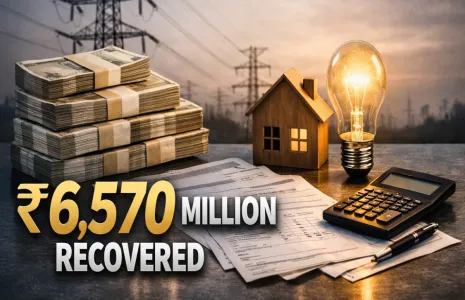
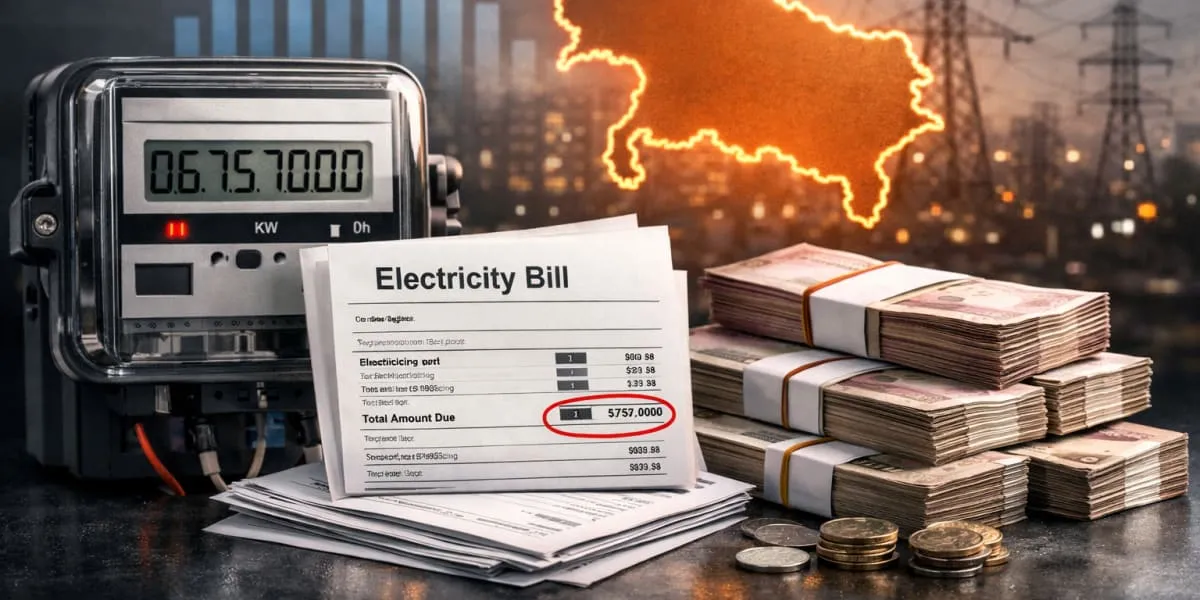
More than 15,000 trained Vidyut Sakhis helped collect about Rs 6,570 mn in outstanding electricity bills in Uttar Pradesh under a One Time Settlement initiative of the Uttar Pradesh Power Corporation Limited (UPPCL) between December 2025 and February 2026. The campaign settled nearly 1.775 mn pending bills and focused on recovering long standing arrears while facilitating easier payment access. Officials overseeing the programme reported the consolidated figures and credited the decentralised collection model for results.

The Vidyut Sakhis are women trained under the Uttar Pradesh State Rural Livelihood Mission and were engaged to accept payments on behalf of UPPCL and to assist consumers with basic electricity issues. Their doorstep collections targeted rural and semi urban communities where standard utility outreach is limited. The initiative aimed to bring billing and payment services closer to customers and to reduce the administrative burden on distribution staff.

Collections varied month to month with December recording the highest inflow at about Rs 3,490 mn, followed by Rs 1,880 mn in January and Rs 1,200 mn in February. Vidyut Sakhis earned about Rs 80 mn collectively as commission for three months. The commission structure differed between rural and urban areas, with a set amount per lower value transaction and a percentage for higher amounts. The arrangement was designed to incentivise timely settlements while maintaining transparency.

Individual performers were recognised for large recoveries, with one collector in Amethi settling around Rs 31 mn and others in Rampur and Barabanki recovering over Rs 20 mn each. Districts such as Saharanpur, Sultanpur and Meerut made notable contributions to the total. Authorities described the exercise as a strategy to strengthen accountability and to improve revenue collection without imposing direct pressure on consumers.

The use of local women intermediaries reflects an approach by UPPCL to combine livelihood opportunities with public service delivery and to address persistent unpaid dues. Officials indicated that decentralised collection can complement broader reforms in the power distribution sector and enhance operational efficiency. The programme will inform future outreach and revenue recovery strategies across the state.

More than 15,000 trained Vidyut Sakhis helped collect about Rs 6,570 mn in outstanding electricity bills in Uttar Pradesh under a One Time Settlement initiative of the Uttar Pradesh Power Corporation Limited (UPPCL) between December 2025 and February 2026. The campaign settled nearly 1.775 mn pending bills and focused on recovering long standing arrears while facilitating easier payment access. Officials overseeing the programme reported the consolidated figures and credited the decentralised collection model for results. The Vidyut Sakhis are women trained under the Uttar Pradesh State Rural Livelihood Mission and were engaged to accept payments on behalf of UPPCL and to assist consumers with basic electricity issues. Their doorstep collections targeted rural and semi urban communities where standard utility outreach is limited. The initiative aimed to bring billing and payment services closer to customers and to reduce the administrative burden on distribution staff. Collections varied month to month with December recording the highest inflow at about Rs 3,490 mn, followed by Rs 1,880 mn in January and Rs 1,200 mn in February. Vidyut Sakhis earned about Rs 80 mn collectively as commission for three months. The commission structure differed between rural and urban areas, with a set amount per lower value transaction and a percentage for higher amounts. The arrangement was designed to incentivise timely settlements while maintaining transparency. Individual performers were recognised for large recoveries, with one collector in Amethi settling around Rs 31 mn and others in Rampur and Barabanki recovering over Rs 20 mn each. Districts such as Saharanpur, Sultanpur and Meerut made notable contributions to the total. Authorities described the exercise as a strategy to strengthen accountability and to improve revenue collection without imposing direct pressure on consumers. The use of local women intermediaries reflects an approach by UPPCL to combine livelihood opportunities with public service delivery and to address persistent unpaid dues. Officials indicated that decentralised collection can complement broader reforms in the power distribution sector and enhance operational efficiency. The programme will inform future outreach and revenue recovery strategies across the state.

Related Stories

Gold Stories

Next Story
Infrastructure Urban

KONE Opens India's First Digital Experience Centre in Pune

KONE, a global elevator and escalator manufacturer, has inaugurated its first Digital Experience Centre (DEC) in India, located in Pune. The facility aims to showcase how artificial intelligence (AI), connectivity and data-driven technologies can enhance customer experiences and improve building operations.The centre was inaugurated by Jussi Herlin, Executive Vice Chair, KONE Corporation; Philippe Delorme, President and CEO, KONE; and Nandan Nilekani, Co-founder and Chairman of the Board, Infosys.Designed as an interactive customer environment, the facility demonstrates digital solutions cover..

Next Story
Infrastructure Urban

CII GreenCo Launches Circularity Guidelines for Indian Industry

The Confederation of Indian Industry (CII) GreenCo Council has launched the CII GreenCo Circularity Guidelines – Pilot Version at the 17th CII GreenCo Waste & Resource Management Summit 2026 in Chennai. The initiative aims to strengthen resource efficiency, waste reduction and circular economy practices across Indian manufacturing and process industries.The guidelines introduce a structured framework with circularity indices covering raw materials, consumables, packaging and other resource inputs. These indicators will help industries assess existing practices, identify opportunities to ..

Next Story
Infrastructure Energy

Global Electronics Association Launches IPC-1783-CO2E Standard

The Global Electronics Association has introduced IPC-1783-CO2E, a new international standard aimed at improving consistency, transparency and comparability in product carbon footprint reporting across the electronics manufacturing industry.The standard, titled International Standard for Data Collection and Reporting of CO2 Equivalent (CO2e) Emissions for the Electronics Manufacturing Supply Chain, provides industry-specific guidance for collecting, estimating and reporting carbon emissions data.With increasing regulatory requirements and customer expectations, electronics manufacturers face c..

Advertisement

Subscribe to Our Newsletter

Get daily newsletters around different themes from Construction world.

STAY CONNECTED

Advertisement

SPECIAL OFFER
QR Code