

+
Ministry of Steel Signs MoUs for 85 Specialty Steel Projects
Steel

Ministry of Steel Signs MoUs for 85 Specialty Steel Projects

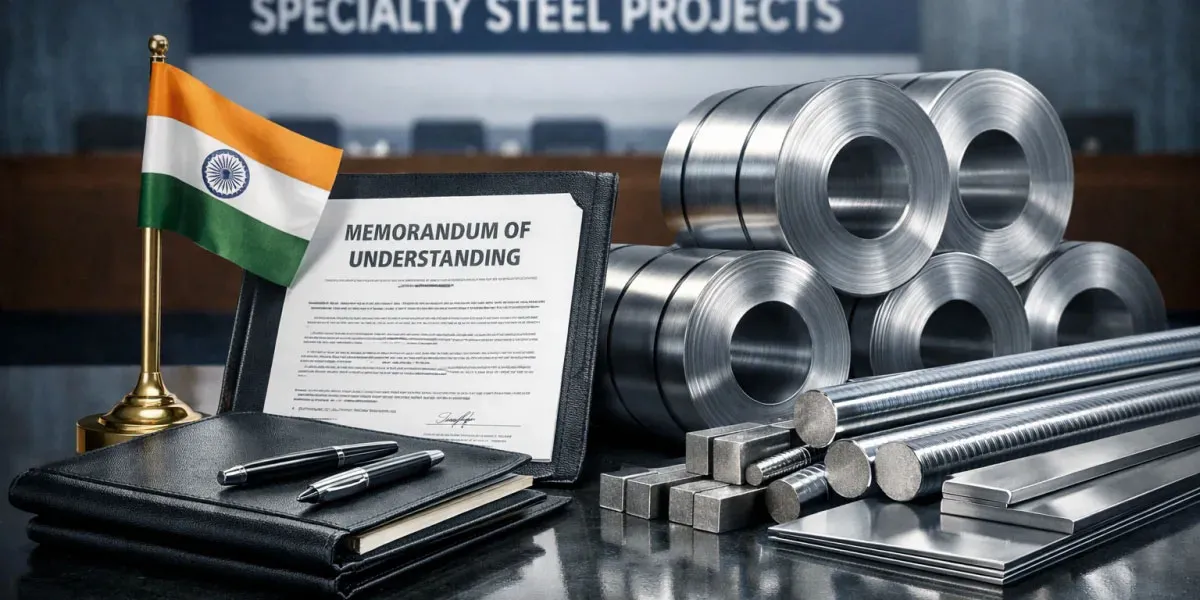
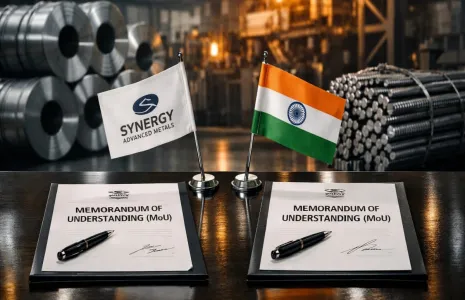
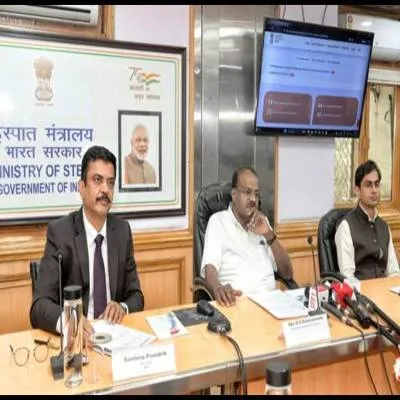
The Ministry of Steel signed Memoranda of Understanding for 85 projects by 55 companies under the Production-Linked Incentive Scheme 1.2 for specialty steel at Vigyan Bhawan in New Delhi on nine February 2026. Participating firms committed Rs 118,870 million and a committed capacity of eight point seven million tonnes in downstream steel and alloy making. The agreements form part of the government effort to deepen manufacturing capability and to promote Make in India objectives.

The minister explained that the scheme is a key reform intended to strengthen domestic manufacturing, enhance global competitiveness, reduce import dependence and conserve foreign exchange while positioning India as a reliable supplier of high-value steel. The announcement indicated that these new investments would further develop specialty and alloy steel manufacturing capabilities. The ministry emphasised that the initiative aims to support industry scale up and technological advancement.

The secretary noted that the success of the scheme will depend on timely investment, commissioning and sustained production, and that the ministry will provide necessary support to participating companies. The PLI scheme for specialty steel was launched in July 2021 to attract capital investment and support technology upgradation in the downstream segment. Under PLI 1.0 the committed outcomes included Rs 271,060 mn of investment, 14,760 direct jobs and seven point nine mn t of production capacity, while PLI 1.1, launched on six January 2025, is expected to attract about Rs 170,000 mn, generate around 16,000 jobs and add six point four mn t of capacity.

An incentive of Rs 2,360 mn has been disbursed to participating companies so far. PLI 1.2, launched on four November 2025, covers 22 product sub-categories under four product categories and offers incentive rates ranging from four per cent to 15 per cent over a period of five years beginning in FY 2025–26, with disbursements commencing in FY 2026–27. The scheme is intended to catalyse investment, create skilled employment and reduce reliance on imports in strategic and commercial steel segments.

The Ministry of Steel signed Memoranda of Understanding for 85 projects by 55 companies under the Production-Linked Incentive Scheme 1.2 for specialty steel at Vigyan Bhawan in New Delhi on nine February 2026. Participating firms committed Rs 118,870 million and a committed capacity of eight point seven million tonnes in downstream steel and alloy making. The agreements form part of the government effort to deepen manufacturing capability and to promote Make in India objectives. The minister explained that the scheme is a key reform intended to strengthen domestic manufacturing, enhance global competitiveness, reduce import dependence and conserve foreign exchange while positioning India as a reliable supplier of high-value steel. The announcement indicated that these new investments would further develop specialty and alloy steel manufacturing capabilities. The ministry emphasised that the initiative aims to support industry scale up and technological advancement. The secretary noted that the success of the scheme will depend on timely investment, commissioning and sustained production, and that the ministry will provide necessary support to participating companies. The PLI scheme for specialty steel was launched in July 2021 to attract capital investment and support technology upgradation in the downstream segment. Under PLI 1.0 the committed outcomes included Rs 271,060 mn of investment, 14,760 direct jobs and seven point nine mn t of production capacity, while PLI 1.1, launched on six January 2025, is expected to attract about Rs 170,000 mn, generate around 16,000 jobs and add six point four mn t of capacity. An incentive of Rs 2,360 mn has been disbursed to participating companies so far. PLI 1.2, launched on four November 2025, covers 22 product sub-categories under four product categories and offers incentive rates ranging from four per cent to 15 per cent over a period of five years beginning in FY 2025–26, with disbursements commencing in FY 2026–27. The scheme is intended to catalyse investment, create skilled employment and reduce reliance on imports in strategic and commercial steel segments.

Next Story
Infrastructure Urban

Implementation Status of Jal Jeevan Mission

Since August 2019 the Government has implemented Jal Jeevan Mission to provide assured potable water through household tap connections in rural India. At the start of the mission only 32.3 million (mn) rural households, representing 16.7 per cent, were reported to have tap water connections. States and union territories have reported that 125.8 mn additional rural households have since been provided with tap connections. As a result, of about 193.6 mn rural households roughly 158.2 mn, or 81.71 per cent, are reported to have tap water supply at home.\n\nThe State, district and village level st..

Next Story
Infrastructure Urban

Jal Jeevan Mission Reaches Eighty One Per Cent Rural Coverage

The Government reported substantial progress under the Jal Jeevan Mission, launched in August 2019 to provide tap water to every rural household. At launch only 32.3 million (mn) rural households had tap connections and states and Union territories reported provision of 125.8 mn additional households by March 2026. Consequently, out of about 193.6 mn rural households around 158.2 mn, or 81.71 per cent, are reported to have tap water at home. The Finance Minister announced extension of the mission until 2028 in the 2025-26 budget speech. The Swachh Bharat Mission Grameen, launched in October 20..

Next Story
Infrastructure Urban

Empowering Local Governance for Sustainable Rural Water Supply

The Ministry of Jal Shakti has aligned the Jal Jeevan Mission (JJM) with the 73rd Amendment to strengthen village level planning and community ownership of water supply. Gram Panchayats, village water and sanitation committees and Pani Samitis are to plan, implement, manage and maintain piped water systems, with gram sabha processes formalising handover and oversight. Implementation support agencies including non government organisations, community based organisations and self help groups have been empanelled to train local committees and promote women participation. Under JJM, the department ..

Advertisement

Subscribe to Our Newsletter

Get daily newsletters around different themes from Construction world.

STAY CONNECTED

Advertisement

Advertisement

Advertisement