SWR Proposes Airport-Style Rail Terminal In Yelahanka
AVIATION & AIRPORTS

SWR Proposes Airport-Style Rail Terminal In Yelahanka

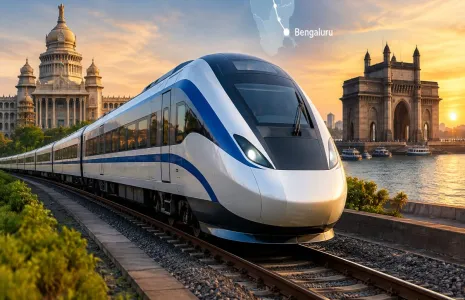
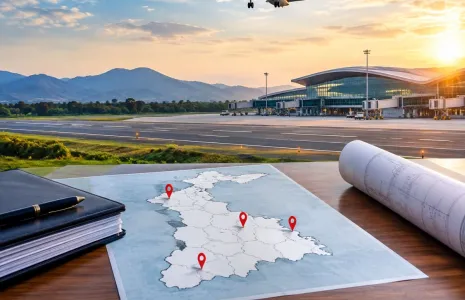
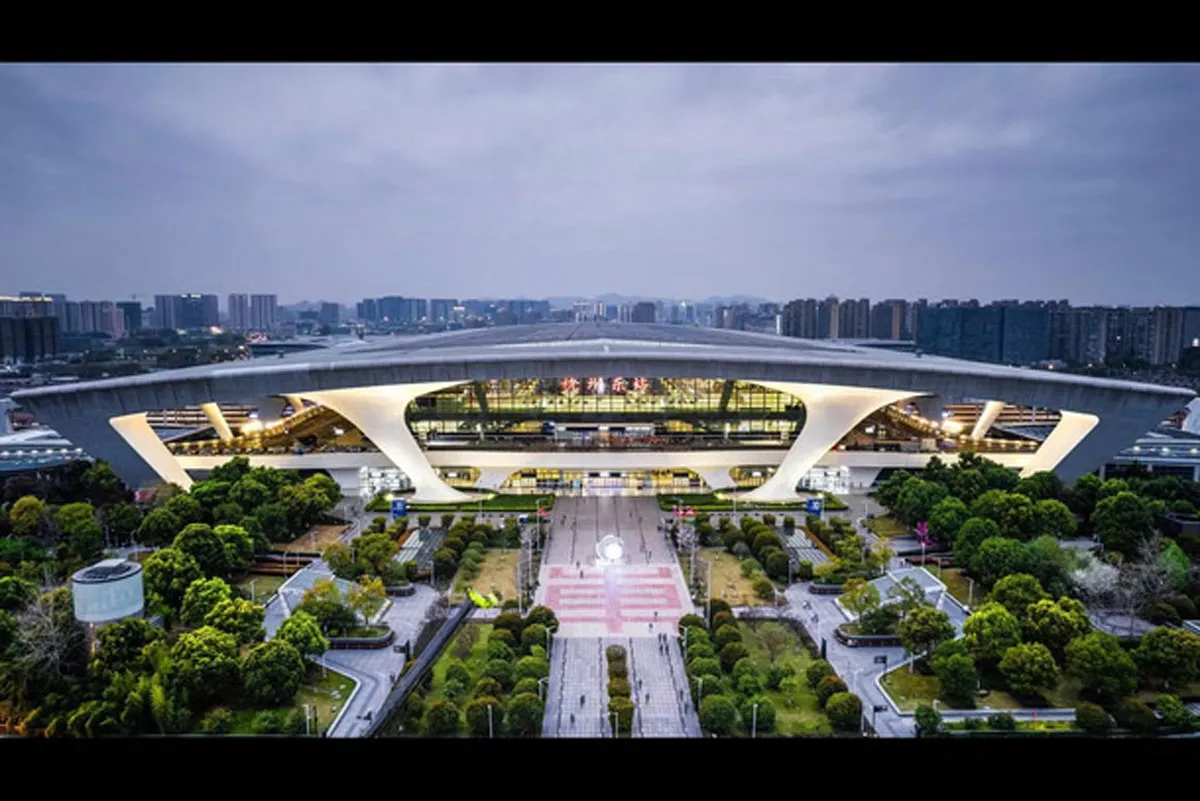
South Western Railway has proposed an airport-style coaching terminal in Yelahanka, north Bengaluru, inspired by China’s Hangzhou railway station, according to a report. If approved, the project would become the city’s fourth major railway terminal, alongside KSR Bengaluru City, Yeswantpur and Sir M Visvesvaraya Terminal at Byappanahalli.

The proposed terminal will be developed across nearly 20 acres, primarily on land owned by the Railway Wheel Factory, along with smaller parcels of private land, the existing Yelahanka station yard and nearby railway staff quarters. While the current Yelahanka station has five platforms, the new terminal is designed to accommodate up to 16 platforms, supported by 10 stabling lines and 15 pit lines, significantly enhancing rail handling capacity in north Bengaluru.

The fourth terminal was earlier planned at Devanahalli but was later shifted to Yelahanka to optimise the use of available railway land. According to senior South Western Railway officials, the project is envisioned as India’s first fully elevated railway terminal, featuring an airport-like, multi-level design. The structure will include a basement, ground floor and three upper levels, housing a concourse, mezzanine areas and passenger platforms, with train tracks running at the basement and ground-floor levels.

Railway officials said the emphasis on vertical development reflects Bengaluru’s high land costs and dense urban environment. The project also explores commercial development within the terminal to generate additional revenue, marking the first instance where railway tracks themselves are proposed to be elevated in such a configuration.

Passenger movement forms a key part of the design, with separate circulation paths for arrivals and departures to ensure unidirectional flow and reduce congestion. Under the plan, arriving passengers will alight at a lower level and exit through the basement, while departing travellers will enter via a concourse offering access to ticketing, waiting areas and platforms.

The terminal is proposed to be integrated with the upcoming Blue Line Metro at Kogilu Cross and linked through an elevated road, with the main entry planned from the Yelahanka–Doddaballapur highway. The project is estimated to cost around Rs 60 billion and is likely to be executed through a public-private partnership or DBFOT model, subject to approvals.

Officials noted that the proposal is still at a preliminary stage and awaits sanction from the Railway Board. However, they underlined the need for a mega terminal to cater to Bengaluru’s growing passenger traffic, despite the challenges posed by high land values in the city.

South Western Railway has proposed an airport-style coaching terminal in Yelahanka, north Bengaluru, inspired by China’s Hangzhou railway station, according to a report. If approved, the project would become the city’s fourth major railway terminal, alongside KSR Bengaluru City, Yeswantpur and Sir M Visvesvaraya Terminal at Byappanahalli. The proposed terminal will be developed across nearly 20 acres, primarily on land owned by the Railway Wheel Factory, along with smaller parcels of private land, the existing Yelahanka station yard and nearby railway staff quarters. While the current Yelahanka station has five platforms, the new terminal is designed to accommodate up to 16 platforms, supported by 10 stabling lines and 15 pit lines, significantly enhancing rail handling capacity in north Bengaluru. The fourth terminal was earlier planned at Devanahalli but was later shifted to Yelahanka to optimise the use of available railway land. According to senior South Western Railway officials, the project is envisioned as India’s first fully elevated railway terminal, featuring an airport-like, multi-level design. The structure will include a basement, ground floor and three upper levels, housing a concourse, mezzanine areas and passenger platforms, with train tracks running at the basement and ground-floor levels. Railway officials said the emphasis on vertical development reflects Bengaluru’s high land costs and dense urban environment. The project also explores commercial development within the terminal to generate additional revenue, marking the first instance where railway tracks themselves are proposed to be elevated in such a configuration. Passenger movement forms a key part of the design, with separate circulation paths for arrivals and departures to ensure unidirectional flow and reduce congestion. Under the plan, arriving passengers will alight at a lower level and exit through the basement, while departing travellers will enter via a concourse offering access to ticketing, waiting areas and platforms. The terminal is proposed to be integrated with the upcoming Blue Line Metro at Kogilu Cross and linked through an elevated road, with the main entry planned from the Yelahanka–Doddaballapur highway. The project is estimated to cost around Rs 60 billion and is likely to be executed through a public-private partnership or DBFOT model, subject to approvals. Officials noted that the proposal is still at a preliminary stage and awaits sanction from the Railway Board. However, they underlined the need for a mega terminal to cater to Bengaluru’s growing passenger traffic, despite the challenges posed by high land values in the city.

Next Story
Infrastructure Transport

RRTS emerges as key growth driver for real estate and mobility: Knight Frank

India’s Regional Rapid Transit System (RRTS) is emerging as a major catalyst for urban growth and investment, with strong demand from commuters and rising interest from real estate investors, according to a new report by Knight Frank India.Titled “Regional Rapid Transit System: Testing the Commuters’ Pulse”, the study highlights that nearly 66 per cent of surveyed respondents are willing to purchase property along RRTS corridors, while 80 per cent associate improved connectivity with enhanced economic opportunities. The findings underline the growing role of high-speed regional transit..

Next Story
Infrastructure Transport

Centre To Set Up Bureau Of Port Security

The government will constitute a dedicated Bureau of Port Security (BoPS) to oversee the security of vessels and port facilities across India, official sources said on Friday. The move is aimed at strengthening maritime security through a centralised and specialised institutional framework. Union Home Minister Amit Shah chaired a meeting on the constitution of BoPS, which was attended by Sarbananda Sonowal, Union Minister for Ports, Shipping and Waterways, and Ram Mohan Naidu, Minister of Civil Aviation. During the discussions, Mr Shah underlined the need for a robust and future-ready port se..

Next Story
Infrastructure Energy

Adani Eyes AI Data Centres And Nuclear Power

The Adani Group is planning an aggressive expansion of artificial intelligence data centres and the energy infrastructure required to support them, including the possible development of nuclear power plants, according to comments by Jeet Adani to Nikkei Asia. Jeet Adani, the youngest son of billionaire Gautam Adani, said data centres have emerged as a major growth engine for the group, with current expansion already exceeding targets earlier set for 2030. Demand for AI-led infrastructure continues to rise rapidly, he noted, adding that India is well positioned to host global AI data centres d..

Advertisement

Subscribe to Our Newsletter

Get daily newsletters around different themes from Construction world.

STAY CONNECTED

Advertisement

Advertisement

Advertisement

Advertisement

Open In App