Gujarat Gas Declares Force Majeure Over LNG Supply Disruption
OIL & GAS

Gujarat Gas Declares Force Majeure Over LNG Supply Disruption

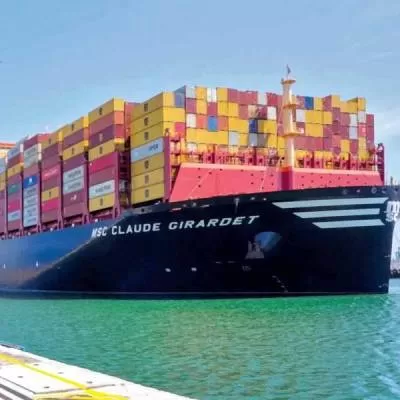
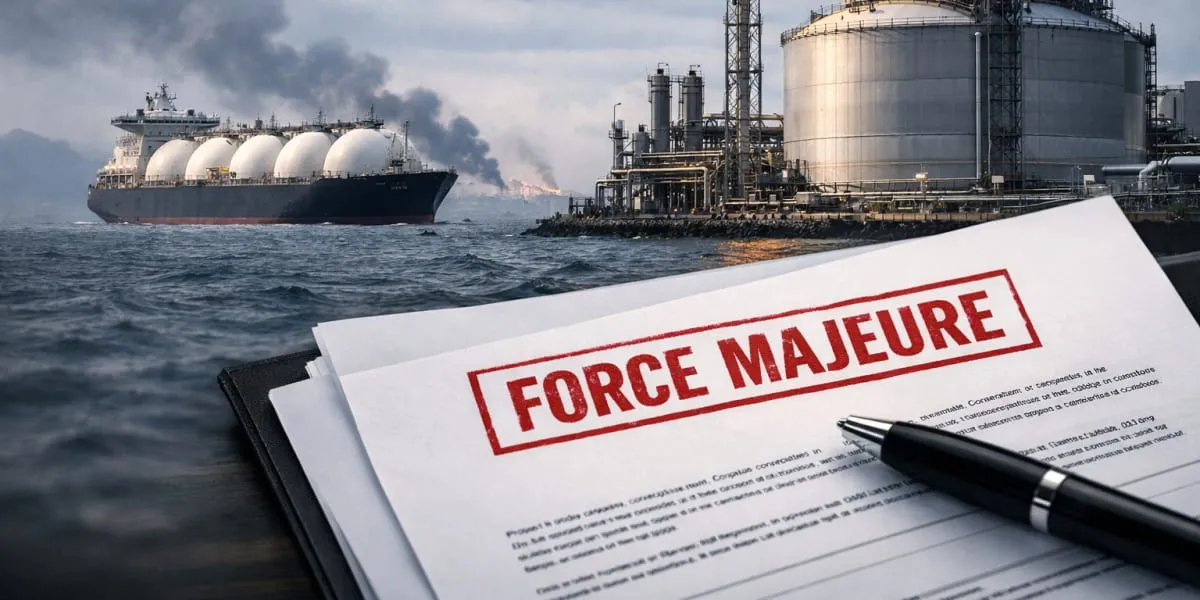
Gujarat Gas Limited (Gujarat Gas) has declared force majeure on certain supply contracts after the conflict in the Middle East disrupted shipments of liquefied natural gas (LNG). The declaration covers scheduled imports that have been delayed or cancelled and aims to shield the company from contractual liabilities while logistics are restored. The move follows an abrupt curtailment of cargoes that formed a material part of the company's short term supply mix. The company has notified counterparties and initiated contingency planning.

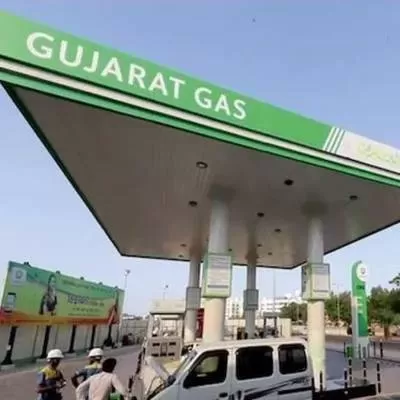
It indicated that disruptions at exporting terminals and port congestion had delayed multiple cargoes destined for its regasification facilities. Operational adjustments will include prioritising supplies to critical industrial users and rationing non essential deliveries where necessary. Compressed natural gas stations and piped supplies for households may face temporary curtailments in some regions depending on allocation decisions. The company is pursuing alternative procurement and examining logistics routes to source replacement cargoes.

From a legal perspective the invocation of force majeure will alter short term contractual obligations while assessments are completed. The company is engaging with regulators and customers to explain the operational impact and to seek approvals for any temporary supply changes. Inventory management and transfers from other terminals form part of the immediate response to bridge gaps until normal trade lanes reopen. Financial impacts will depend on the duration of the disruption and on the ability to procure substitute supplies at commercial rates.

Market participants will monitor announcements closely as supply constraints could exert upward pressure on domestic gas prices and affect energy intensive industries. The company has committed to periodic updates for investors and customers while contingency measures are implemented and cargo schedules are revised. Restoring a stable flow of LNG will rely on the resolution of broader geopolitical disruptions and on the resumption of maritime logistics. Stakeholders are advised that timelines remain uncertain and that efforts are focused on minimising disruption to essential services.

Gujarat Gas Limited (Gujarat Gas) has declared force majeure on certain supply contracts after the conflict in the Middle East disrupted shipments of liquefied natural gas (LNG). The declaration covers scheduled imports that have been delayed or cancelled and aims to shield the company from contractual liabilities while logistics are restored. The move follows an abrupt curtailment of cargoes that formed a material part of the company's short term supply mix. The company has notified counterparties and initiated contingency planning. It indicated that disruptions at exporting terminals and port congestion had delayed multiple cargoes destined for its regasification facilities. Operational adjustments will include prioritising supplies to critical industrial users and rationing non essential deliveries where necessary. Compressed natural gas stations and piped supplies for households may face temporary curtailments in some regions depending on allocation decisions. The company is pursuing alternative procurement and examining logistics routes to source replacement cargoes. From a legal perspective the invocation of force majeure will alter short term contractual obligations while assessments are completed. The company is engaging with regulators and customers to explain the operational impact and to seek approvals for any temporary supply changes. Inventory management and transfers from other terminals form part of the immediate response to bridge gaps until normal trade lanes reopen. Financial impacts will depend on the duration of the disruption and on the ability to procure substitute supplies at commercial rates. Market participants will monitor announcements closely as supply constraints could exert upward pressure on domestic gas prices and affect energy intensive industries. The company has committed to periodic updates for investors and customers while contingency measures are implemented and cargo schedules are revised. Restoring a stable flow of LNG will rely on the resolution of broader geopolitical disruptions and on the resumption of maritime logistics. Stakeholders are advised that timelines remain uncertain and that efforts are focused on minimising disruption to essential services.

Next Story
Infrastructure Urban

Centre Disburses Over Rs 24,610 mn in XV Finance Commission Grants

The Union Government has released XV Finance Commission tied grants during the financial year 2025–26 to rural local bodies in Chhattisgarh, Gujarat, Madhya Pradesh, Punjab and Sikkim and has released withheld portions of tied and untied grants to Himachal Pradesh, Odisha and Tripura. The total disbursal exceeded Rs 24,610 mn, with figures expressed in million (mn) thereafter. The releases cover allocations pertaining to different financial years and aim to strengthen rural local governance. State-wise disbursements included Rs 3,324.6 mn for Punjab, Rs 9,432.7 mn for Madhya Pradesh, Rs 3,47..

Next Story
Infrastructure Urban

Centre Releases Over Rs 15 bn as XV FC Grants to Rural Bodies

The Union Government has released over Rs 15 bn in grants recommended by the Fifteenth Finance Commission (XV FC) to strengthen Panchayati Raj Institutions (PRIs) and Rural Local Bodies (RLBs) in six states. The funds comprise tied and untied grants disbursed in FY 2025–26. Telangana received Rs 2.48 bn as the first instalment of untied grants for FY 2025–26, benefitting 12600 Gram Panchayats (GPs). Uttarakhand received Rs 913.1 mn as the second instalment and an additional Rs 18.4 mn of a withheld first instalment was released to a further 216 GPs. Mizoram is included among beneficiary st..

Next Story
Infrastructure Energy

Government Assures Fuel Supplies And Seafarer Safety Amid West Asia Developments

The Government of India has stepped up coordinated measures to maintain stability in critical sectors as developments in West Asia continue to unfold. It has prioritised uninterrupted energy supplies, safeguarded maritime operations and extended consular assistance to nationals. Central authorities are working with State and Union territory administrations to ensure timely information dissemination and operational continuity. Refineries are reported to be operating at high capacity with adequate inventories of petrol and diesel, and domestic LPG production has been increased to support consump..

Advertisement

Subscribe to Our Newsletter

Get daily newsletters around different themes from Construction world.

STAY CONNECTED

Advertisement

Advertisement

Advertisement