+
 NHAI to install advanced traffic management systems in new highways
ROADS & HIGHWAYS

NHAI to install advanced traffic management systems in new highways

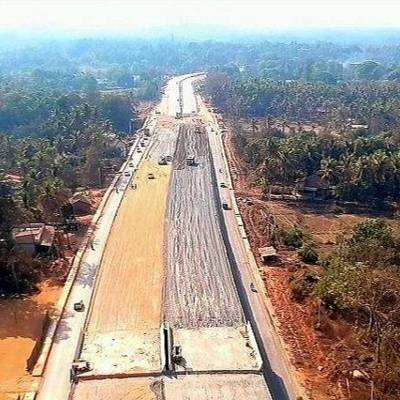
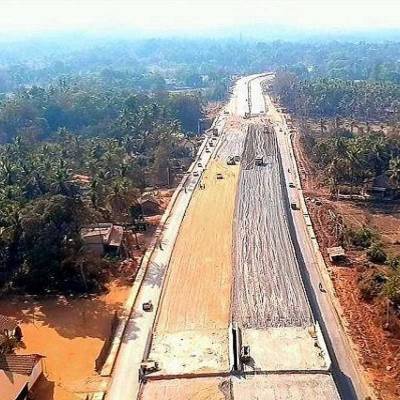
The National Highways Authority of India (NHAI) has decided to put forth an Advanced Traffic Management System (ATMS) on all new national highways to enhance road safety.

RK Pandey, an NHAI official, told the media that corrective actions were taken to remove black spots on national highways while addressing a virtual meeting organised by the International Road Federation (IRF).

He stated that the new national highways developed under NHAI will follow the ATMS as a step to better road safety and reduced road accidents.

Features of ATMS includes immediate tracing of locations where traffic jams occur due to accidents or other reasons, instantly passing information to motorists in those areas.

Pandey added that the team has presently identified 4,500 black spots and repaired 2,500 of them on the national highways.

Further added that inspections on road safety had been taken at multiple stages of construction including the end of the project and that measures have been taken in removing blacks spots from the existing highways.

According to the IRF, India has the highest number of deadly road accidents and is accountable for more than 10% of global road accidents.

Image Source


Also read: NHAI: Network survey vehicle mandatory for road condition survey

Also read: Smart traffic system project in Meerut finally takes off

The National Highways Authority of India (NHAI) has decided to put forth an Advanced Traffic Management System (ATMS) on all new national highways to enhance road safety. RK Pandey, an NHAI official, told the media that corrective actions were taken to remove black spots on national highways while addressing a virtual meeting organised by the International Road Federation (IRF). He stated that the new national highways developed under NHAI will follow the ATMS as a step to better road safety and reduced road accidents. Features of ATMS includes immediate tracing of locations where traffic jams occur due to accidents or other reasons, instantly passing information to motorists in those areas. Pandey added that the team has presently identified 4,500 black spots and repaired 2,500 of them on the national highways. Further added that inspections on road safety had been taken at multiple stages of construction including the end of the project and that measures have been taken in removing blacks spots from the existing highways. According to the IRF, India has the highest number of deadly road accidents and is accountable for more than 10% of global road accidents. Image SourceAlso read: NHAI: Network survey vehicle mandatory for road condition survey Also read: Smart traffic system project in Meerut finally takes off

Related Stories

Gold Stories

Next Story
Infrastructure Urban

Infrastructure Opportunity Outlook by IMPACCT.Info

India’s infrastructure pipeline is witnessing dynamic activity across stages — from immediate bidding to future planning. IMPACCT segments these into three categories: Immediate, 3–6 Month, and Future Opportunities, enabling businesses to identify, prepare, and participate in high-value tenders and projects across sectors.To read full article Click Here ..

Next Story
Real Estate

Glass, Reframed!

Glass façades, quintessential aesthetic building envelopes globally, have been widely adopted in India as well. But when the focus is high-performance building systems that deliver energy efficiency, comfort and architectural identity, glass isn’t the only preference. Combination solutions, involving glass and some other material, improve façade outcomes. Some combinations come at comparable prices, some at a higher price. Here is a selection of performance-oriented solutions...To read the full story Click Here ..

Next Story
Infrastructure Urban

Beyond Building Faster

India’s cities are expanding at an unprecedented pace, bringing new infrastructure and development opportunities while also intensifying challenges around mobility, public spaces, liveability and supporting infrastructure. The question, therefore, is not simply whether India can build faster, but whether it can build cities that work better.At a CW webinar, Are We Designing Better Cities – or Just Building Faster?, moderator Ar. Samir Shaikh, Founding Principal, AR&UD Studio, brought together perspectives from design, development, master planning and technology...To read the full artic..

Advertisement

Subscribe to Our Newsletter

Get daily newsletters around different themes from Construction world.

STAY CONNECTED

Advertisement

SPECIAL OFFER
QR Code