+
Cash Payments at National Highway Fee Plazas To End From First April 2026
ROADS & HIGHWAYS

Cash Payments at National Highway Fee Plazas To End From First April 2026

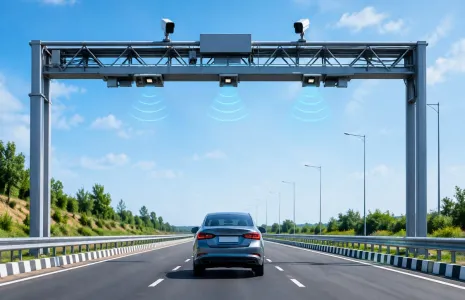
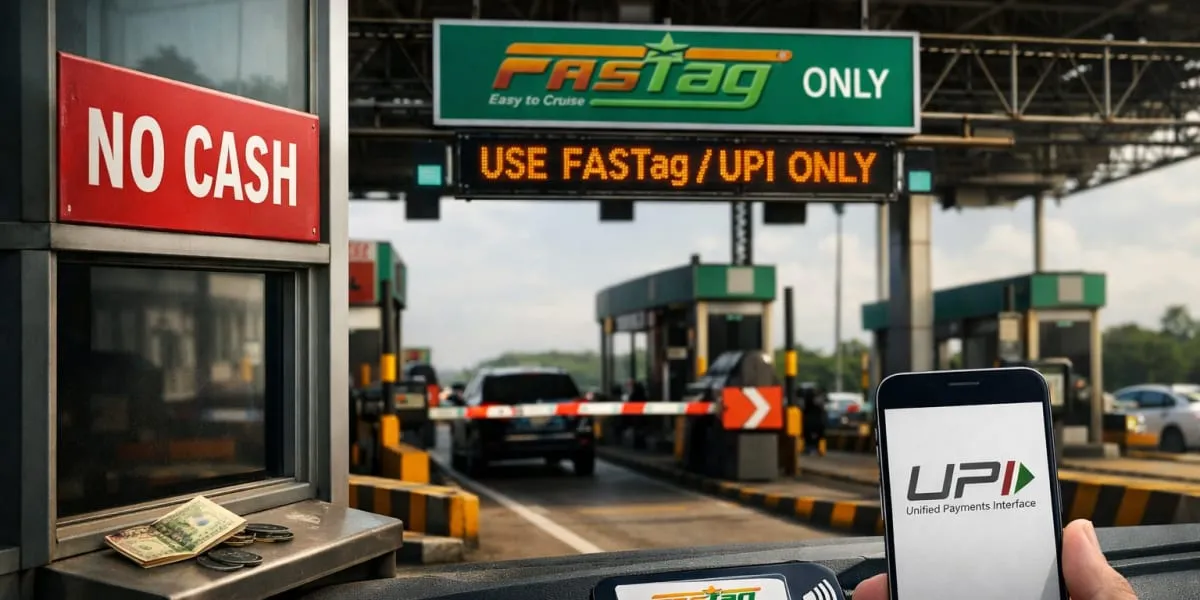
The National Highways Authority of India (NHAI) is proposing to discontinue cash payments at National Highway fee plazas from first April 2026, with all tolls to be processed through FASTag or Unified Payments Interface (UPI). The policy aims to consolidate gains in electronic toll collection and to strengthen the efficiency and reliability of fee plaza operations nationwide. The transition is expected to improve lane throughput, reduce congestion and increase transparency in toll transactions.

NHAI officials noted that over 98 per cent penetration of FASTag has transformed toll collection practices, with most transactions processed electronically through RFID-enabled FASTag affixed to vehicles. Unified Payments Interface facilities are already operational at plazas, offering instant and accessible digital options for commuters across the network. The combined systems are intended to deliver a seamless and contactless passage for users.

National Highway fee rules currently penalise vehicles entering a plaza without a valid, functional FASTag by charging twice the applicable user fee if payment is made in cash, while users opting to pay via UPI are levied one and a quarter times the user fee for the applicable vehicle category. Plaza-level assessments indicate that cash-based payments contribute to congestion, longer waiting times during peak periods and increased transaction disputes. A full shift to digital-only payments is projected to strengthen operational efficiency, improve traffic management and minimise delays.

NHAI said the measure will enhance the ease of commuting for National Highway users at over 1,150 fee plazas on various National Highways and expressways, and will support the broader objective of developing a technology-driven, high-efficiency highway network. Authorities expect the reform to bring greater consistency in tolling and to improve overall user experience without introducing new manual procedures. Implementation details and compliance mechanisms are to be finalised prior to the start date.

The National Highways Authority of India (NHAI) is proposing to discontinue cash payments at National Highway fee plazas from first April 2026, with all tolls to be processed through FASTag or Unified Payments Interface (UPI). The policy aims to consolidate gains in electronic toll collection and to strengthen the efficiency and reliability of fee plaza operations nationwide. The transition is expected to improve lane throughput, reduce congestion and increase transparency in toll transactions. NHAI officials noted that over 98 per cent penetration of FASTag has transformed toll collection practices, with most transactions processed electronically through RFID-enabled FASTag affixed to vehicles. Unified Payments Interface facilities are already operational at plazas, offering instant and accessible digital options for commuters across the network. The combined systems are intended to deliver a seamless and contactless passage for users. National Highway fee rules currently penalise vehicles entering a plaza without a valid, functional FASTag by charging twice the applicable user fee if payment is made in cash, while users opting to pay via UPI are levied one and a quarter times the user fee for the applicable vehicle category. Plaza-level assessments indicate that cash-based payments contribute to congestion, longer waiting times during peak periods and increased transaction disputes. A full shift to digital-only payments is projected to strengthen operational efficiency, improve traffic management and minimise delays. NHAI said the measure will enhance the ease of commuting for National Highway users at over 1,150 fee plazas on various National Highways and expressways, and will support the broader objective of developing a technology-driven, high-efficiency highway network. Authorities expect the reform to bring greater consistency in tolling and to improve overall user experience without introducing new manual procedures. Implementation details and compliance mechanisms are to be finalised prior to the start date.

Next Story
Equipment

Kabelschlepp India Installs Robotic VMC in Bengaluru

Kabelschlepp India, part of the Tsubaki Group, has installed a state-of-the-art Vertical Machining Center (VMC) integrated with robotic automation at its Bengaluru facility. The inauguration was held in the presence of Henning Preis, President & CEO, Kabelschlepp Group, Jörg Schulz, Vice President – Production, and Srinivas P. Kamisetty, Managing Director, Kabelschlepp India.The high-precision CNC VMC is designed for advanced milling, drilling, tapping and multi-axis machining. Equipped with a vertical spindle orientation, automatic tool changer and intelligent CNC control system, it en..

Next Story
Infrastructure Transport

Highway Delivery Reset!

Project delays and inefficiencies continue to bedevil the progress of India’s National Highways network. A multi-pronged reform agenda is needed to inject greater transparency and accountability at every stage – from planning and procurement to execution, maintenance and oversight. This article offers key recommendations and reform strategies that government stakeholders – from the Ministry of Road Transport & Highways (MoRTH) and the National Highways Authority of India (NHAI) to state agencies and oversight bodies – should pursue to put highway development on a better track.Decen..

Next Story
Infrastructure Transport

MSIDC Executes ₹37,000 Crore Road Programme

With Rs 37,000 crore worth of road projects under execution across Maharashtra, Maharashtra State Infrastructure Development Corporation (MSIDC) is driving one of the state’s largest infrastructure programmes. Dr Brijesh Dixit, Managing Director, discusses the institutional reforms, execution frameworks, financing strategies and technology adoption enabling timely, high-quality delivery, in conversation with PRATAP PADODE, Editor-in-Chief, CW.With over Rs 37,000 crore worth of road projects underway across districts – many under tight timelines – what institutional and executio..

Advertisement

Subscribe to Our Newsletter

Get daily newsletters around different themes from Construction world.

STAY CONNECTED

Advertisement

Advertisement

Advertisement

Open In App