India Bars LPG Refills For Consumers With Piped Gas Connections
OIL & GAS

India Bars LPG Refills For Consumers With Piped Gas Connections

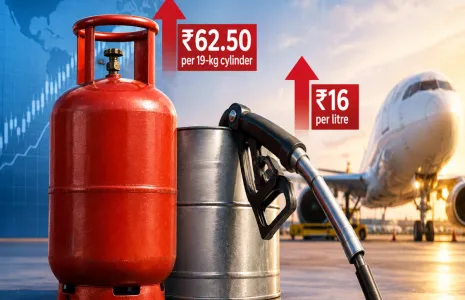
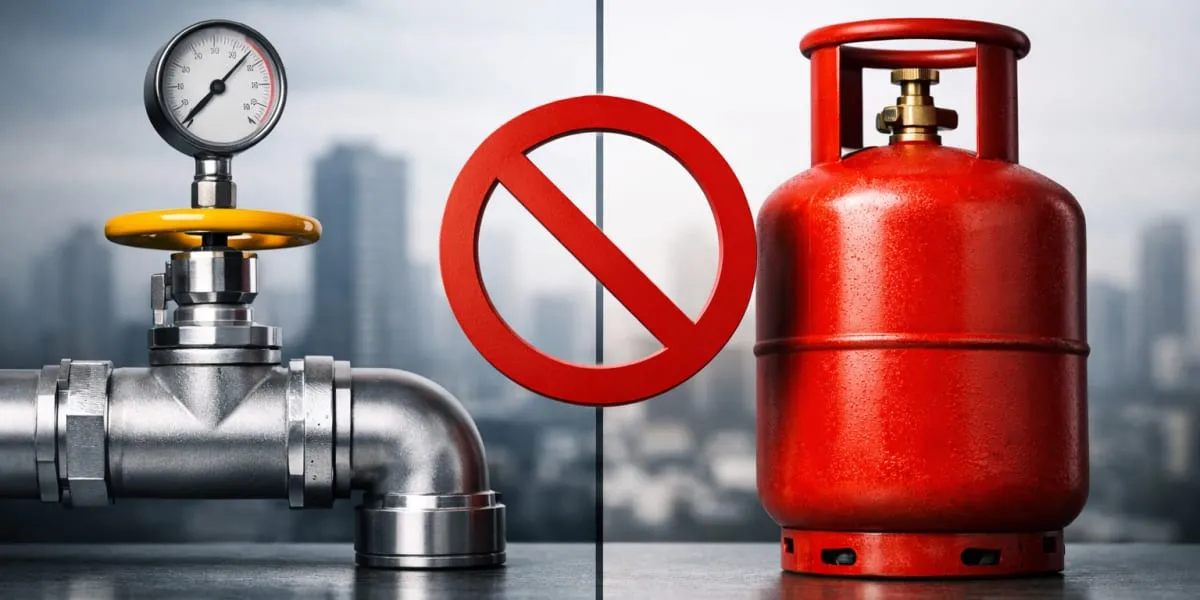
The Union government has barred consumers with piped natural gas (PNG) connections from retaining, obtaining or refilling domestic liquefied petroleum gas (LPG) cylinders under an amended supply order. The amendment also prohibits government oil companies from providing LPG connections or refills to consumers who already have PNG connections. The change was notified by the Ministry of Petroleum and Natural Gas and took effect amid acute supply concerns.

The restriction follows disruptions to LPG supplies arising from the West Asia conflict and an effective blockade of the Strait of Hormuz by Iran that has affected commercial navigation. About 20 per cent of global petroleum supply passes through the maritime chokepoint and India imports about 60 per cent of its LPG demand, most of it from Gulf countries. The disruption has led to temporary closures of some eateries and long queues outside fuel godowns and distribution agencies.

The ministry characterised the supply situation as a matter of concern while maintaining that no distributor had reported a complete stock outage among 25,000 distributors nationwide. Officials urged citizens to avoid rumours and refrain from panic buying and advised consumers who are able to shift from LPG to PNG to do so without delay. The ministry estimated that six million (6 mn) households could make the shift to piped supply, and it indicated that adjustments to allocations and logistics were being prioritised.

The notification is intended as a short term demand management measure while the government continues to monitor imports and supply chains and engages with suppliers. Analysts warned that the measure could ease immediate pressure on cylinder supplies but that longer term stability will depend on reductions in transit risk and diversified sourcing. Authorities said further steps would be announced if the situation deteriorates.

The Union government has barred consumers with piped natural gas (PNG) connections from retaining, obtaining or refilling domestic liquefied petroleum gas (LPG) cylinders under an amended supply order. The amendment also prohibits government oil companies from providing LPG connections or refills to consumers who already have PNG connections. The change was notified by the Ministry of Petroleum and Natural Gas and took effect amid acute supply concerns. The restriction follows disruptions to LPG supplies arising from the West Asia conflict and an effective blockade of the Strait of Hormuz by Iran that has affected commercial navigation. About 20 per cent of global petroleum supply passes through the maritime chokepoint and India imports about 60 per cent of its LPG demand, most of it from Gulf countries. The disruption has led to temporary closures of some eateries and long queues outside fuel godowns and distribution agencies. The ministry characterised the supply situation as a matter of concern while maintaining that no distributor had reported a complete stock outage among 25,000 distributors nationwide. Officials urged citizens to avoid rumours and refrain from panic buying and advised consumers who are able to shift from LPG to PNG to do so without delay. The ministry estimated that six million (6 mn) households could make the shift to piped supply, and it indicated that adjustments to allocations and logistics were being prioritised. The notification is intended as a short term demand management measure while the government continues to monitor imports and supply chains and engages with suppliers. Analysts warned that the measure could ease immediate pressure on cylinder supplies but that longer term stability will depend on reductions in transit risk and diversified sourcing. Authorities said further steps would be announced if the situation deteriorates.

Next Story
Building Material

Towards Mega Batching

India’s pace of infrastructure development is pushing the construction sector to work at a significantly higher scale than previously. Tight deadlines necessitate eliminating concreting delays, especially in large and mega projects, which, in turn, imply installing the right batching plant and ensuring batching is efficient. CW explores these steps as well as the gaps in India’s batching plant market.Choose wellLarge-scale infrastructure and building projects typically involve concrete consumption exceeding 30,000-50,000 cum per annum or demand continuous, high-volume pours within compress..

Next Story
Real Estate

Mounting Costs

War in West Asia and the ensuing disruption of shipping through the Strait of Hormuz has impacted the entire world – and India is no exception. The country sources critical construction inputs like bitumen and LNG from the Gulf while rising global fuel prices, which have already driven up domestic wholesale diesel prices, bear adversely on logistics, a service with a wide impact on primary as well as secondary construction materials.“Volatility in global energy markets typically flows through to construction materials such as steel, cement and aluminium, as well as inputs like glass and ti..

Next Story
Infrastructure Urban

MRPL Board Approves Results For Year Ended March 2026

The board of Mangalore Refinery and Petrochemicals Limited approved audited standalone and consolidated financial results for the fourth quarter and year ended 31 March 2026. The board meeting was held on 24 April 2026 and approved the accounts for the quarter and the financial year. The company reported revenue from operations for the quarter of Rs 284,930 million (mn). This compares with the prior period figures disclosed in the filing. Profit before tax for the quarter was Rs 12,350 mn, up from Rs 5,840 mn in the corresponding quarter of the previous year. Profit after tax for the quarter w..

Advertisement

Subscribe to Our Newsletter

Get daily newsletters around different themes from Construction world.

STAY CONNECTED

Advertisement

Advertisement

Advertisement