Chandigarhs Sector 17 Multi-Level Parking Faces Limited Usage
ROADS & HIGHWAYS

Chandigarhs Sector 17 Multi-Level Parking Faces Limited Usage

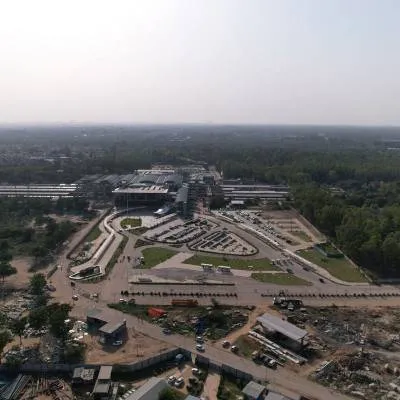
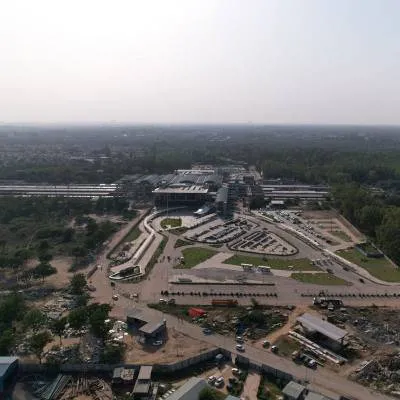
Chandigarh's multi-level parking facility in Sector 17, touted for its affordability and shorter waiting periods, is encountering limited usage, posing a challenge to the city's parking infrastructure. Despite offering cost-effective options and addressing the perennial issue of long wait times, the parking lot has not garnered widespread patronage, as reported.

The multi-level parking structure was designed to alleviate the strain on parking facilities in the bustling Sector 17 area, known for its commercial and shopping hubs. However, the underwhelming usage suggests that additional factors beyond cost and wait times influence the parking choices of residents and visitors.

Challenges such as accessibility, public awareness, and user preferences may contribute to the subdued utilisation of the multi-level parking facility. While the facility aims to provide a practical solution to the perennial parking issues in the city centre, addressing these additional factors could be crucial to its success.

The situation underscores the complexity of urban planning and the need for a comprehensive understanding of user behaviour when implementing infrastructure projects. Efforts to enhance the effectiveness of the multi-level parking facility may require a multi-faceted approach that considers various elements influencing the decision-making process of those seeking parking solutions in Chandigarh's bustling Sector 17.

Chandigarh's multi-level parking facility in Sector 17, touted for its affordability and shorter waiting periods, is encountering limited usage, posing a challenge to the city's parking infrastructure. Despite offering cost-effective options and addressing the perennial issue of long wait times, the parking lot has not garnered widespread patronage, as reported. The multi-level parking structure was designed to alleviate the strain on parking facilities in the bustling Sector 17 area, known for its commercial and shopping hubs. However, the underwhelming usage suggests that additional factors beyond cost and wait times influence the parking choices of residents and visitors. Challenges such as accessibility, public awareness, and user preferences may contribute to the subdued utilisation of the multi-level parking facility. While the facility aims to provide a practical solution to the perennial parking issues in the city centre, addressing these additional factors could be crucial to its success. The situation underscores the complexity of urban planning and the need for a comprehensive understanding of user behaviour when implementing infrastructure projects. Efforts to enhance the effectiveness of the multi-level parking facility may require a multi-faceted approach that considers various elements influencing the decision-making process of those seeking parking solutions in Chandigarh's bustling Sector 17.

Related Stories

Gold Stories

Next Story
Infrastructure Urban

KONE Opens India's First Digital Experience Centre in Pune

KONE, a global elevator and escalator manufacturer, has inaugurated its first Digital Experience Centre (DEC) in India, located in Pune. The facility aims to showcase how artificial intelligence (AI), connectivity and data-driven technologies can enhance customer experiences and improve building operations.The centre was inaugurated by Jussi Herlin, Executive Vice Chair, KONE Corporation; Philippe Delorme, President and CEO, KONE; and Nandan Nilekani, Co-founder and Chairman of the Board, Infosys.Designed as an interactive customer environment, the facility demonstrates digital solutions cover..

Next Story
Infrastructure Urban

CII GreenCo Launches Circularity Guidelines for Indian Industry

The Confederation of Indian Industry (CII) GreenCo Council has launched the CII GreenCo Circularity Guidelines – Pilot Version at the 17th CII GreenCo Waste & Resource Management Summit 2026 in Chennai. The initiative aims to strengthen resource efficiency, waste reduction and circular economy practices across Indian manufacturing and process industries.The guidelines introduce a structured framework with circularity indices covering raw materials, consumables, packaging and other resource inputs. These indicators will help industries assess existing practices, identify opportunities to ..

Next Story
Infrastructure Energy

Global Electronics Association Launches IPC-1783-CO2E Standard

The Global Electronics Association has introduced IPC-1783-CO2E, a new international standard aimed at improving consistency, transparency and comparability in product carbon footprint reporting across the electronics manufacturing industry.The standard, titled International Standard for Data Collection and Reporting of CO2 Equivalent (CO2e) Emissions for the Electronics Manufacturing Supply Chain, provides industry-specific guidance for collecting, estimating and reporting carbon emissions data.With increasing regulatory requirements and customer expectations, electronics manufacturers face c..

Advertisement

Subscribe to Our Newsletter

Get daily newsletters around different themes from Construction world.

STAY CONNECTED

Advertisement

SPECIAL OFFER
QR Code