Delhi Approves Rs 8,020 mn Road Redevelopment Covering 400 km
ROADS & HIGHWAYS

Delhi Approves Rs 8,020 mn Road Redevelopment Covering 400 km

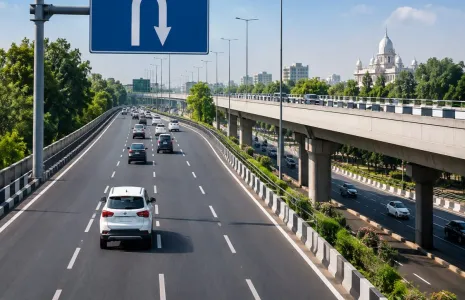
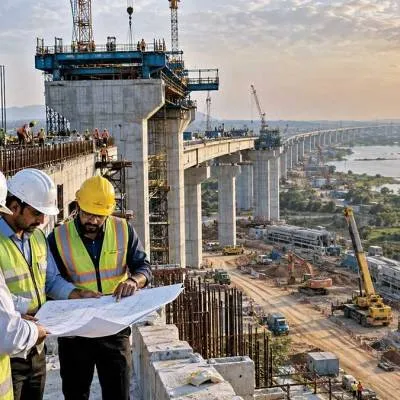
Delhi authorities have approved a road redevelopment programme worth Rs 8,020 million (mn) to upgrade about 400 km of urban thoroughfares. The approval follows assessments that identified aged carriageways and inadequate surface drainage as constraints on mobility. The project is intended to strengthen the road network and improve connectivity across multiple city zones, while adopting design measures to enhance resilience and reduce long term repair needs.

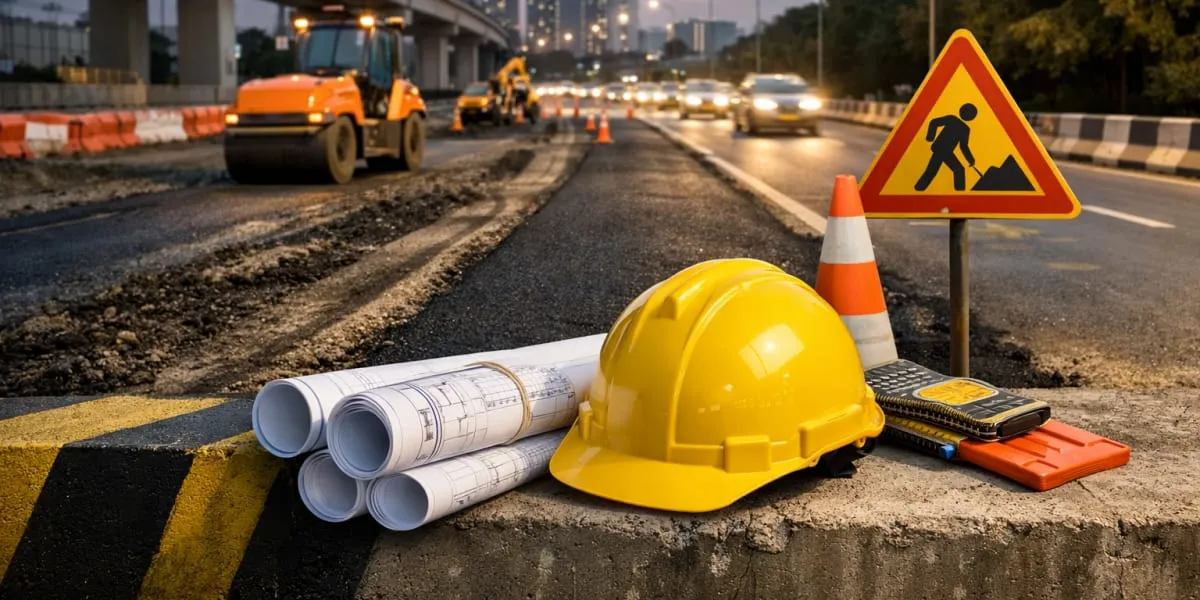
Planned interventions will focus on pavement rehabilitation, junction upgrades, pedestrian facilities and stormwater management to reduce recurrent damage and flooding risks. Works are expected to be conducted in phases to allow traffic movement while sections are upgraded, with staged diversions and signage to manage congestion. Authorities have indicated that design standards will aim to increase durability and reduce maintenance cycles, supporting lower life cycle costs.

The financial allocation represents a concentrated investment in urban infrastructure and is intended to leverage future maintenance programmes and complementary works. Project implementation will require tendering, contractor engagement and coordinated traffic management plans during construction, together with contract supervision and quality checks. Monitoring arrangements are expected to track progress and ensure compliance with technical specifications and safety norms, with periodic reporting to oversight bodies. The scheme is also likely to influence local economic activity by improving commuter reliability and freight movement, thereby supporting daily commerce.

Officials have said that public communication and staged diversions will be integral to minimise disruption for commuters and businesses, with updates provided through official channels. The authorities will publish timelines and priority corridors as the programme moves into procurement and execution phases to inform stakeholders. Urban planners noted that improved road conditions could support broader mobility goals and complement public transport initiatives and active travel measures. Review mechanisms will be used to assess outcomes and guide subsequent investment choices and maintenance planning.

Delhi authorities have approved a road redevelopment programme worth Rs 8,020 million (mn) to upgrade about 400 km of urban thoroughfares. The approval follows assessments that identified aged carriageways and inadequate surface drainage as constraints on mobility. The project is intended to strengthen the road network and improve connectivity across multiple city zones, while adopting design measures to enhance resilience and reduce long term repair needs. Planned interventions will focus on pavement rehabilitation, junction upgrades, pedestrian facilities and stormwater management to reduce recurrent damage and flooding risks. Works are expected to be conducted in phases to allow traffic movement while sections are upgraded, with staged diversions and signage to manage congestion. Authorities have indicated that design standards will aim to increase durability and reduce maintenance cycles, supporting lower life cycle costs. The financial allocation represents a concentrated investment in urban infrastructure and is intended to leverage future maintenance programmes and complementary works. Project implementation will require tendering, contractor engagement and coordinated traffic management plans during construction, together with contract supervision and quality checks. Monitoring arrangements are expected to track progress and ensure compliance with technical specifications and safety norms, with periodic reporting to oversight bodies. The scheme is also likely to influence local economic activity by improving commuter reliability and freight movement, thereby supporting daily commerce. Officials have said that public communication and staged diversions will be integral to minimise disruption for commuters and businesses, with updates provided through official channels. The authorities will publish timelines and priority corridors as the programme moves into procurement and execution phases to inform stakeholders. Urban planners noted that improved road conditions could support broader mobility goals and complement public transport initiatives and active travel measures. Review mechanisms will be used to assess outcomes and guide subsequent investment choices and maintenance planning.

Next Story
Infrastructure Transport

Tunnelling Begins for Thane, Borivali twin tunnel project

Tunnelling work has commenced for the 11.84-km Thane–Borivali Twin Tunnel, set to be India’s longest urban road tunnel, marking a key milestone in Mumbai’s infrastructure development.As per a post shared by Mumbai Metropolitan Region Development Authority on social media platform X, the tunnel boring machine (TBM) ‘Nayak’—the country’s largest single-shield hard rock TBM for an urban tunnel—was launched by Devendra Fadnavis on Tuesday. The event was attended by Eknath Shinde and Sunetra Pawar, among other dignitaries. A second TBM, ‘Arjuna’, is expected to be launched so..

Next Story
Infrastructure Transport

Large Format Store Planned At M G Road Metro Station

M G Road station in Bengaluru is set to host the city’s first large-format commercial and experience space, with planning led by Bangalore Metro Rail Corporation Limited. BMRCL has invited proposals to develop and operate a central business district destination at the Purple?Pink Line interchange. The plan positions the station as a commercial hub designed to serve a broad commuter base across the city. The proposal is part of a broader effort to activate transit nodes commercially. Tender documents set a minimum monthly rental of Rs 0.944 million (mn), inclusive of GST, for the large-format..

Next Story
Infrastructure Energy

Government Cancels Auction Of Eleven Critical Mineral Blocks

The government has cancelled the auction of 11 critical and strategic mineral blocks after receiving a poor investor response and failing to attract a sufficient number of qualified bidders. The decision represents a setback to plans to ramp up domestic exploration and production of critical minerals amid global supply chain disruptions and rising demand for materials used in clean energy and advanced technologies. The mines ministry issued an annulment notice setting out the reasons for the cancellations. The annulment notice indicated that the auction process for five mineral blocks was canc..

Advertisement

Subscribe to Our Newsletter

Get daily newsletters around different themes from Construction world.

STAY CONNECTED

Advertisement

Advertisement

Advertisement