+
Govt to build national highways network of 2 lakh km by 2025
ROADS & HIGHWAYS

Govt to build national highways network of 2 lakh km by 2025

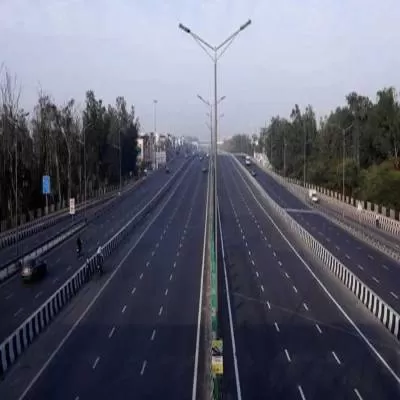
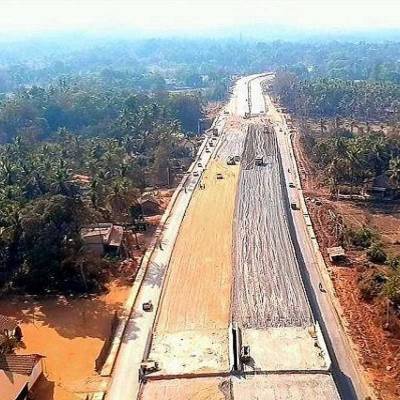
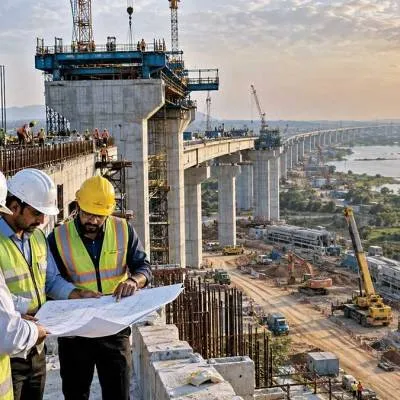
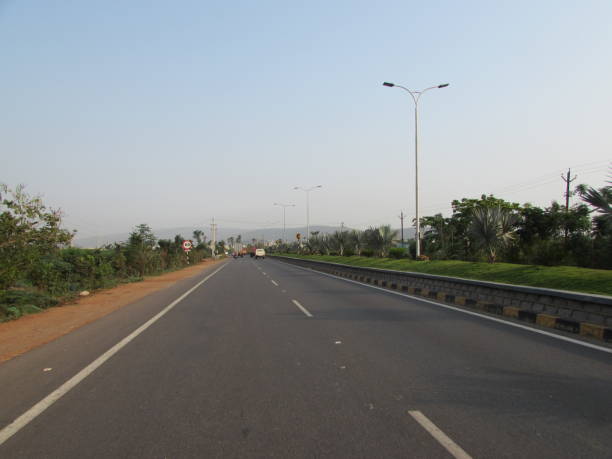
On Sunday, the Minister of Road Transport and Highways (MoRTH), Nitin Gadkari, told the media that the central government is working to build a national highways network of 2 lakh km by 2025.

They are building 22 greenfield access control expressways to decrease travel time, said Gadkari while speaking on the role of infrastructure development for realising India’s 5 trillion dollar economy goal apart from reducing travel time and fuel cost, fast track highways additionally assist in the economic development of the area.

As he explained the Union government’s vision for the promotion of integrated infrastructure under PM Modi’s Gati-Shakti National plan, he additionally said that their priority is to reduce the cost of logistics to 10% from the present 14-16% of gross domestic product (GDP). It is 8-10% in China and 12% in European nations. If they reduce to 10-12% in India, they can compete well in the international market.

The multi-modal connectivity will render integrated and seamless connectivity for the movement of people, goods, and services from one mode of transport to another. It will encourage the last mile connectivity of infrastructure and additionally decrease travel time for people.

Image Source

Also read: MoRTH to cross Rs 1.5 lakh crore funding mark

On Sunday, the Minister of Road Transport and Highways (MoRTH), Nitin Gadkari, told the media that the central government is working to build a national highways network of 2 lakh km by 2025. They are building 22 greenfield access control expressways to decrease travel time, said Gadkari while speaking on the role of infrastructure development for realising India’s 5 trillion dollar economy goal apart from reducing travel time and fuel cost, fast track highways additionally assist in the economic development of the area. As he explained the Union government’s vision for the promotion of integrated infrastructure under PM Modi’s Gati-Shakti National plan, he additionally said that their priority is to reduce the cost of logistics to 10% from the present 14-16% of gross domestic product (GDP). It is 8-10% in China and 12% in European nations. If they reduce to 10-12% in India, they can compete well in the international market. The multi-modal connectivity will render integrated and seamless connectivity for the movement of people, goods, and services from one mode of transport to another. It will encourage the last mile connectivity of infrastructure and additionally decrease travel time for people. Image Source Also read: MoRTH to cross Rs 1.5 lakh crore funding mark

Next Story
Infrastructure Urban

Implementation Status of Jal Jeevan Mission

Since August 2019 the Government has implemented Jal Jeevan Mission to provide assured potable water through household tap connections in rural India. At the start of the mission only 32.3 million (mn) rural households, representing 16.7 per cent, were reported to have tap water connections. States and union territories have reported that 125.8 mn additional rural households have since been provided with tap connections. As a result, of about 193.6 mn rural households roughly 158.2 mn, or 81.71 per cent, are reported to have tap water supply at home.\n\nThe State, district and village level st..

Next Story
Infrastructure Urban

Jal Jeevan Mission Reaches Eighty One Per Cent Rural Coverage

The Government reported substantial progress under the Jal Jeevan Mission, launched in August 2019 to provide tap water to every rural household. At launch only 32.3 million (mn) rural households had tap connections and states and Union territories reported provision of 125.8 mn additional households by March 2026. Consequently, out of about 193.6 mn rural households around 158.2 mn, or 81.71 per cent, are reported to have tap water at home. The Finance Minister announced extension of the mission until 2028 in the 2025-26 budget speech. The Swachh Bharat Mission Grameen, launched in October 20..

Next Story
Infrastructure Urban

Empowering Local Governance for Sustainable Rural Water Supply

The Ministry of Jal Shakti has aligned the Jal Jeevan Mission (JJM) with the 73rd Amendment to strengthen village level planning and community ownership of water supply. Gram Panchayats, village water and sanitation committees and Pani Samitis are to plan, implement, manage and maintain piped water systems, with gram sabha processes formalising handover and oversight. Implementation support agencies including non government organisations, community based organisations and self help groups have been empanelled to train local committees and promote women participation. Under JJM, the department ..

Advertisement

Subscribe to Our Newsletter

Get daily newsletters around different themes from Construction world.

STAY CONNECTED

Advertisement

Advertisement

Advertisement