Gulf Tensions Threaten Bitumen Supply, Slow India's Road Projects
ROADS & HIGHWAYS

Gulf Tensions Threaten Bitumen Supply, Slow India's Road Projects

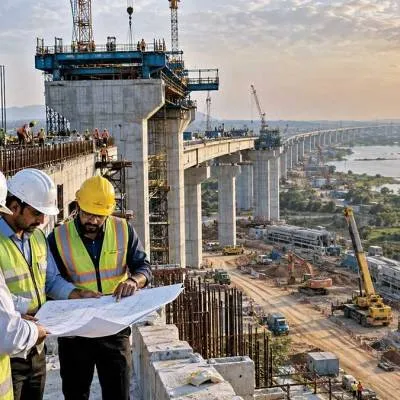
India Ratings and Research (Ind-Ra) said Gulf geopolitical tensions threaten bitumen supply chains and could slow India's road construction pipeline, with state and regional projects most at risk. The agency argued that disruptions in shipping routes and higher crude prices could tighten supply and raise bitumen costs.

Ind-Ra said bituminous works account for eight to twelve per cent of costs in National Highways Authority of India (NHAI) hybrid-annuity model (HAM) projects and that a 20 per cent increase in bitumen prices could compress road engineering, procurement and construction (EPC) margins by 150 to 250 basis points. Imports rose to around 40 per cent of demand in FY21–FY26 and more than 95 per cent come from Gulf suppliers.

The reliance on imported bitumen is stronger for state and regional works, which often lack procurement flexibility and supply buffers. Domestic bitumen output depends on refinery crude throughput, so even modest crude inflow disruptions can reduce availability. The February to June peak construction season raises vulnerability as demand typically surges and inventories run low.

Imported bitumen is generally 20 to 25 per cent cheaper than domestic alternatives, but that advantage could evaporate if shipping routes are disrupted or crude prices climb. Many state projects lack inflation-linked payment mechanisms and have limited contingency, increasing exposure to cost overruns and margin erosion and possibly leading to time extensions or re-tendering. By contrast, National Highways Authority of India hybrid-annuity model projects have contingency buffers, fixed-price EPC contracts and sponsor support, which can contain impacts.

Ind-Ra estimated that a sustained 20 per cent increase in bitumen prices would increase overall project costs by 1.5 to 2.5 per cent and cautioned that prolonged disruptions could cause site-level shortages, delay pavement works and hinder timely utilisation of state budgets. The report warned that rising import dependence and global uncertainties represent a growing structural risk for India's infrastructure sector, particularly for state and regional road projects.

India Ratings and Research (Ind-Ra) said Gulf geopolitical tensions threaten bitumen supply chains and could slow India's road construction pipeline, with state and regional projects most at risk. The agency argued that disruptions in shipping routes and higher crude prices could tighten supply and raise bitumen costs. Ind-Ra said bituminous works account for eight to twelve per cent of costs in National Highways Authority of India (NHAI) hybrid-annuity model (HAM) projects and that a 20 per cent increase in bitumen prices could compress road engineering, procurement and construction (EPC) margins by 150 to 250 basis points. Imports rose to around 40 per cent of demand in FY21–FY26 and more than 95 per cent come from Gulf suppliers. The reliance on imported bitumen is stronger for state and regional works, which often lack procurement flexibility and supply buffers. Domestic bitumen output depends on refinery crude throughput, so even modest crude inflow disruptions can reduce availability. The February to June peak construction season raises vulnerability as demand typically surges and inventories run low. Imported bitumen is generally 20 to 25 per cent cheaper than domestic alternatives, but that advantage could evaporate if shipping routes are disrupted or crude prices climb. Many state projects lack inflation-linked payment mechanisms and have limited contingency, increasing exposure to cost overruns and margin erosion and possibly leading to time extensions or re-tendering. By contrast, National Highways Authority of India hybrid-annuity model projects have contingency buffers, fixed-price EPC contracts and sponsor support, which can contain impacts. Ind-Ra estimated that a sustained 20 per cent increase in bitumen prices would increase overall project costs by 1.5 to 2.5 per cent and cautioned that prolonged disruptions could cause site-level shortages, delay pavement works and hinder timely utilisation of state budgets. The report warned that rising import dependence and global uncertainties represent a growing structural risk for India's infrastructure sector, particularly for state and regional road projects.

Next Story
Real Estate

Sarovar Hotels Taps Branded Residences And Targets Over 400 Hotels

Sarovar Hotels and Resorts (Sarovar) plans to tap branded residences as part of a strategic expansion that aims to take its portfolio to over 400 hotels in five years. The company intends to leverage brand licensing and management contracts to accelerate growth while maintaining an asset light approach. The move is positioned as an extension of its hospitality offerings into residential developments linked to its hotel brands. It will seek partnerships with property developers to co-create projects that align with its service standards and operational model. The company views branded residence..

Next Story
Infrastructure Urban

Hyatt Eyes Aggressive India Expansion Through Acquisitions

Hyatt is pursuing an aggressive expansion strategy in India centred on acquisitions and strategic partnerships as it seeks to deepen its presence across the country. The group is reported to be evaluating a range of assets from established hotels to development sites in major and emerging markets. The plan is aimed at accelerating room growth and capturing rising demand across domestic and inbound travel segments. The company is said to favour a mix of asset acquisitions and management agreements to maintain flexibility while scaling. It is focusing on both gateway cities and secondary leisure..

Next Story
Real Estate

Greater Noida West Housing Project To Be Revived

Local authorities have approved a plan to revive a stalled housing project in Greater Noida West, officials said, after prolonged delays left many homebuyers waiting for possession. The decision follows reviews of construction progress, financial viability and regulatory compliance, and the restart is to be overseen by a dedicated monitoring team. The revival plan aims to address unfinished work and restore contractor activity while ensuring that construction standards are met. Homebuyers are to be kept informed of timelines and milestones. The developer has been required to submit a revised p..

Advertisement

Subscribe to Our Newsletter

Get daily newsletters around different themes from Construction world.

STAY CONNECTED

Advertisement

Advertisement

Advertisement