India Unveils 125 BRO Projects in Largest Border Push
ROADS & HIGHWAYS

India Unveils 125 BRO Projects in Largest Border Push

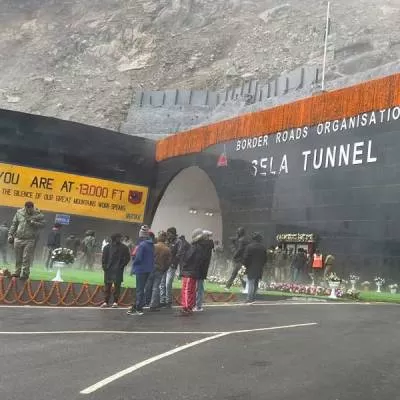
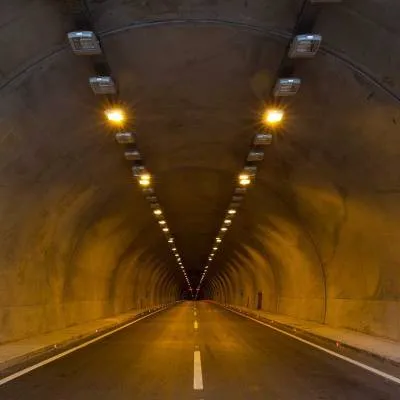
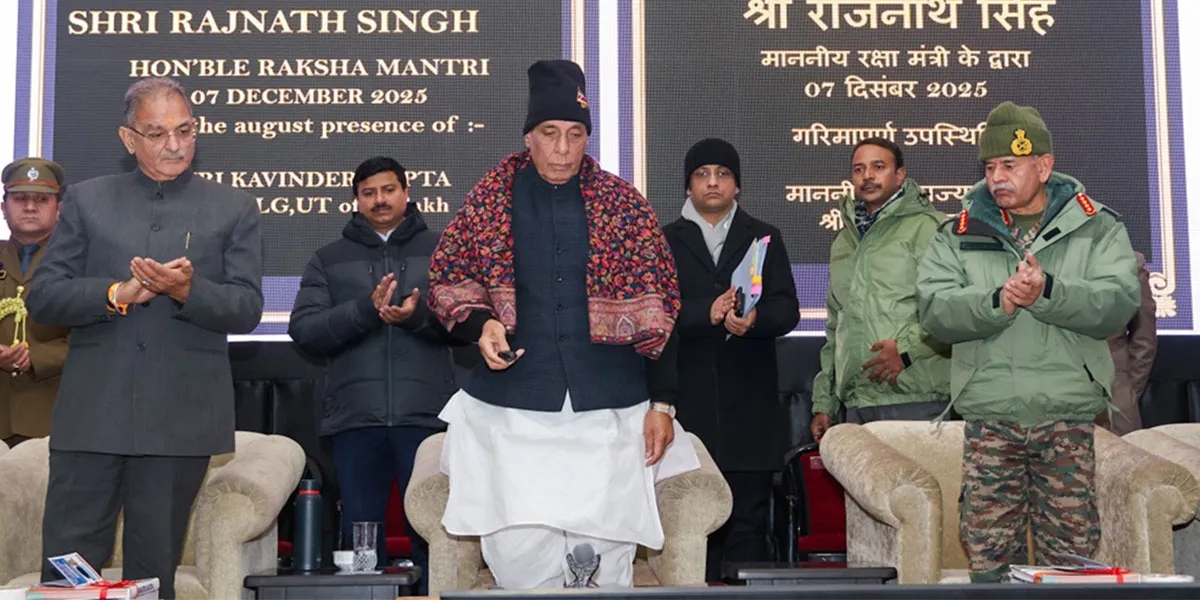
Defence Minister Rajnath Singh on Sunday inaugurated 125 Border Roads Organisation (BRO) projects from eastern Ladakh, marking India’s largest-ever single-day border infrastructure rollout as the country steps up defence preparedness amid challenges from China and Pakistan. The centrepiece of the expansion is the Shyok Tunnel, a 920-metre cut-and-cover structure located at over 12,000 feet on the strategically critical Darbuk–Shyok–Daulat Beg Oldie (DS-DBO) Road, a corridor whose importance has risen sharply since the 2020 Galwan Valley clashes.

Describing the tunnel as an engineering marvel built in one of the world’s toughest terrains, Rajnath said the project ensures all-weather connectivity to forward positions along the Line of Actual Control (LAC). The DS-DBO axis leads to Daulat Beg Oldie, India’s northernmost military outpost, located close to the LAC with China and not far from the Karakoram Pass. BRO engineers said the tunnel would significantly reduce winter disruptions caused by heavy snowfall and avalanches, ensuring a stable and reliable logistics chain for troops deployed in the high-friction eastern Ladakh sector.

Linking border infrastructure directly to India’s counter-terror and conventional preparedness, Rajnath referred to Operation Sindoor, stating that the operation was enabled by strong connectivity that ensured timely logistics support to the armed forces. He said India’s improved border-area infrastructure played a decisive role in the success of the mission, reflecting a shift from reactive defence to proactive, capability-driven border management.

Officials said the accelerated infrastructure push since Galwan is shaped by the strategic reality of facing two hostile neighbours simultaneously, with a heavily militarised China along the LAC and an unpredictable Pakistan along the Line of Control (LoC). The 2020 clashes highlighted the need for uninterrupted logistics in high-altitude regions, and with disengagement talks failing to fully resolve tensions in areas such as Depsang and Demchok, India’s strategy now focuses on permanence, survivability and rapid reinforcement.

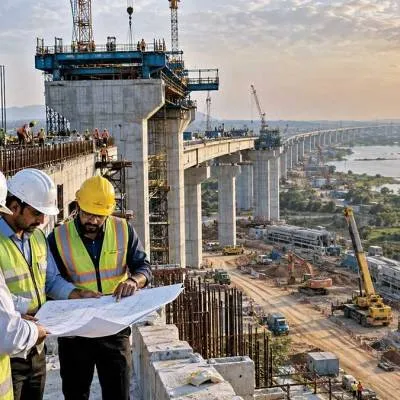
The 125 projects inaugurated include 28 roads, 93 bridges and four miscellaneous works spread across two Union Territories—Ladakh and Jammu & Kashmir—and seven states: Arunachal Pradesh, Sikkim, Himachal Pradesh, Uttarakhand, Rajasthan, West Bengal and Mizoram. Valued at around Rs 50 billion, this represents the highest annual addition to the BRO’s project portfolio in its history. Rajnath said the expanded infrastructure would bring remote villages and forward posts closer to the national mainstream while strengthening India’s strategic posture along both the LAC and the LoC.

Defence Minister Rajnath Singh on Sunday inaugurated 125 Border Roads Organisation (BRO) projects from eastern Ladakh, marking India’s largest-ever single-day border infrastructure rollout as the country steps up defence preparedness amid challenges from China and Pakistan. The centrepiece of the expansion is the Shyok Tunnel, a 920-metre cut-and-cover structure located at over 12,000 feet on the strategically critical Darbuk–Shyok–Daulat Beg Oldie (DS-DBO) Road, a corridor whose importance has risen sharply since the 2020 Galwan Valley clashes. Describing the tunnel as an engineering marvel built in one of the world’s toughest terrains, Rajnath said the project ensures all-weather connectivity to forward positions along the Line of Actual Control (LAC). The DS-DBO axis leads to Daulat Beg Oldie, India’s northernmost military outpost, located close to the LAC with China and not far from the Karakoram Pass. BRO engineers said the tunnel would significantly reduce winter disruptions caused by heavy snowfall and avalanches, ensuring a stable and reliable logistics chain for troops deployed in the high-friction eastern Ladakh sector. Linking border infrastructure directly to India’s counter-terror and conventional preparedness, Rajnath referred to Operation Sindoor, stating that the operation was enabled by strong connectivity that ensured timely logistics support to the armed forces. He said India’s improved border-area infrastructure played a decisive role in the success of the mission, reflecting a shift from reactive defence to proactive, capability-driven border management. Officials said the accelerated infrastructure push since Galwan is shaped by the strategic reality of facing two hostile neighbours simultaneously, with a heavily militarised China along the LAC and an unpredictable Pakistan along the Line of Control (LoC). The 2020 clashes highlighted the need for uninterrupted logistics in high-altitude regions, and with disengagement talks failing to fully resolve tensions in areas such as Depsang and Demchok, India’s strategy now focuses on permanence, survivability and rapid reinforcement. The 125 projects inaugurated include 28 roads, 93 bridges and four miscellaneous works spread across two Union Territories—Ladakh and Jammu & Kashmir—and seven states: Arunachal Pradesh, Sikkim, Himachal Pradesh, Uttarakhand, Rajasthan, West Bengal and Mizoram. Valued at around Rs 50 billion, this represents the highest annual addition to the BRO’s project portfolio in its history. Rajnath said the expanded infrastructure would bring remote villages and forward posts closer to the national mainstream while strengthening India’s strategic posture along both the LAC and the LoC.

Next Story
Infrastructure Transport

CMRL to Open 15.8 km Chennai Metro Phase II in February

Chennai Metro Rail (CMRL) has revised its rollout strategy for Phase II of the Chennai Metro, deciding to commission the entire 15.8-km stretch between Poonamallee Bypass and Vadapalani directly in February. The move marks a shift from the earlier plan of launching services on a shorter section first and extending them in stages.Initially, CMRL had proposed to start operations on the Poonamallee Bypass–Porur Junction stretch by the end of January, with services extended to Vadapalani in February. However, officials said the revised approach would allow commuters to benefit from better connec..

Next Story
Infrastructure Transport

Power Mech Emerges L1 for Mumbai Monorail O&M Contract

Power Mech Projects has emerged as the lowest bidder (L1) for the operations and maintenance (O&M) contract of the Mumbai Monorail project, officials said. The contract was floated by the Mumbai Metropolitan Region Development Authority (MMRDA) with a tenure of 1,825 days, or five years.MMRDA had invited bids for the O&M work of the Mumbai Monorail corridor from Sant Gadge Maharaj Chowk to Chembur. Technical bids were opened on November 12, 2025, with four firms submitting bids for the contract. Following the technical evaluation conducted on January 1, 2026, two bidders were disqualif..

Next Story
Infrastructure Transport

E to E Transportation Clarifies SECR Contract Value at Rs 270.35 Mn

NSE Emerge-listed E to E Transportation Infrastructure has issued a clarification on the value of a railway signalling and telecommunication contract awarded by the South East Central Railway (SECR), Raipur Division, after identifying a typographical error in its earlier regulatory disclosure.In a filing dated January 4, 2026, the company said the correct value of the Letter of Acceptance (LoA) is Rs 270.34 million, and not Rs 2.73 billion as previously stated in an announcement uploaded on the NSE Emerge portal earlier the same day. The company noted that the incorrect figure was the result o..

Advertisement

Subscribe to Our Newsletter

Get daily newsletters around different themes from Construction world.

STAY CONNECTED

Advertisement

Advertisement

Advertisement

Advertisement

Open In App