+
MSRDC Seeks Control Of 74 More Villages For Pune Ring Road
ROADS & HIGHWAYS

MSRDC Seeks Control Of 74 More Villages For Pune Ring Road

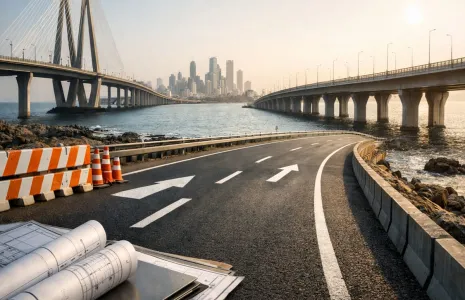
After taking charge of planning for 117 villages along the Pune Ring Road, the Maharashtra State Road Development Corporation (MSRDC) has requested that 74 additional villages be brought under its jurisdiction to enable integrated and coordinated planning for the entire Ring Road project.

In October 2024, the Urban Development Department (UDD) had designated MSRDC as the planning authority for 117 villages across five talukas along the Pune Ring Road. Work on preparing the development plan (DP) for these villages is already underway. However, on 18 September 2025, MSRDC Managing Director Anil Kumar Gaikwad wrote to the UDD, seeking inclusion of additional villages.

The villages proposed for inclusion span across Haveli, Bhor, Purandar, Mulshi, and Rajgad talukas, including areas such as Kondhanpur, Kikvi, Nasrapur, Pirangut, and Malavali, among others.

Following the request, the UDD on 29 September asked the Pune Metropolitan Region Development Authority (PMRDA) to share its opinion. A senior PMRDA official confirmed that its planning department is drafting its response. “We will convey our concerns soon. The decision could impact the overall development framework of the PMRDA region,” the official said.

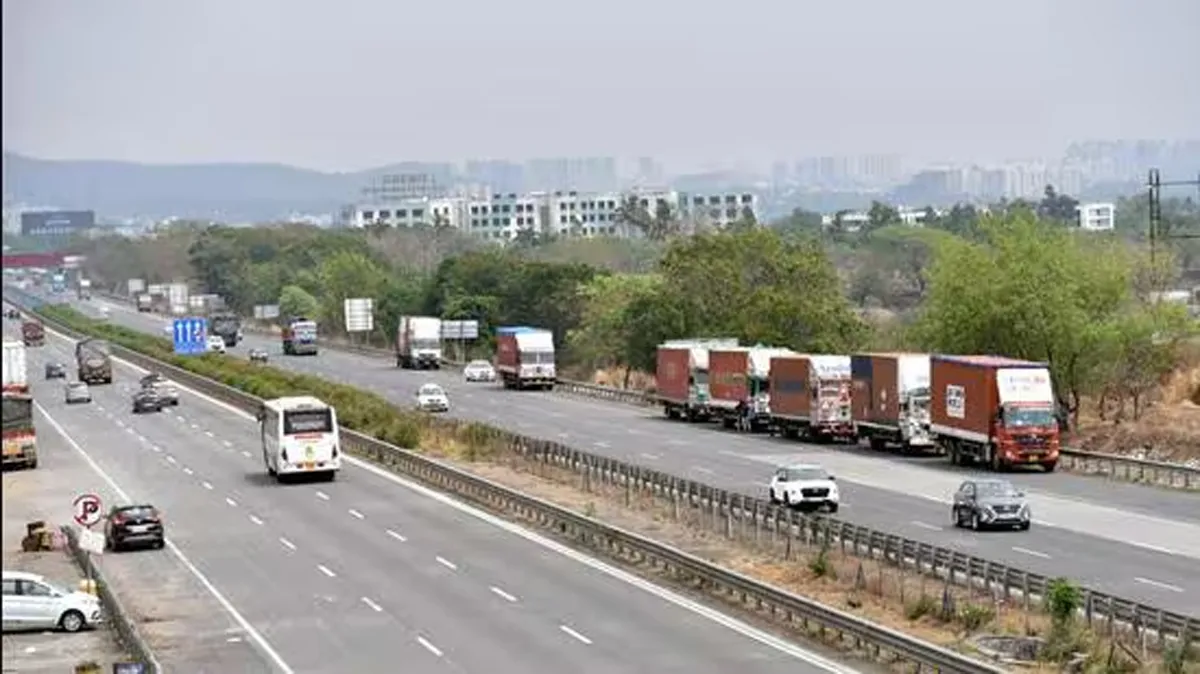
The Pune Ring Road aims to ease traffic congestion across Pune and Pimpri-Chinchwad. With tenders finalised and project formalities largely complete, MSRDC is moving swiftly with implementation. However, its latest demand has raised concerns over overlapping administrative powers and long-term regional planning conflicts within the Pune Metropolitan Region (PMR).

Currently, the 117 villages under MSRDC’s control are divided into three separate zones, making cohesive planning challenging. Some villages, such as Sangrun in Haveli and Kikvi in Bhor, remain disconnected from the main project area. Given that the Purandar International Airport is situated near the Ring Road, MSRDC has argued that the area must be developed in a coordinated manner. The Ring Road’s Sonori intersection in Purandar is also expected to handle airport-bound traffic. Local gram panchayats, including Deori, have formally requested inclusion in the plan.

If the proposal is approved, the area under MSRDC’s special planning zone would expand from 668 square kilometres to 1,062 square kilometres.

Civic activist Sudhir Kulkarni criticised the move, stating, “The state government has already authorised MSRDC to grant building permissions for 117 villages and now intends to add more. This undermines the very purpose of establishing the PMRDA. If this continues, the PMRDA will lose its relevance entirely.”

He added that PMRDA relies heavily on revenue generated through development charges from construction permissions. “If major villages near the Ring Road are transferred to MSRDC, all construction-related income will shift there, leaving PMRDA financially weakened,” he said.

The proposal has sparked a debate over planning authority, regional coordination, and revenue control, highlighting the growing tension between MSRDC’s infrastructure ambitions and PMRDA’s regional development mandate.

After taking charge of planning for 117 villages along the Pune Ring Road, the Maharashtra State Road Development Corporation (MSRDC) has requested that 74 additional villages be brought under its jurisdiction to enable integrated and coordinated planning for the entire Ring Road project. In October 2024, the Urban Development Department (UDD) had designated MSRDC as the planning authority for 117 villages across five talukas along the Pune Ring Road. Work on preparing the development plan (DP) for these villages is already underway. However, on 18 September 2025, MSRDC Managing Director Anil Kumar Gaikwad wrote to the UDD, seeking inclusion of additional villages. The villages proposed for inclusion span across Haveli, Bhor, Purandar, Mulshi, and Rajgad talukas, including areas such as Kondhanpur, Kikvi, Nasrapur, Pirangut, and Malavali, among others. Following the request, the UDD on 29 September asked the Pune Metropolitan Region Development Authority (PMRDA) to share its opinion. A senior PMRDA official confirmed that its planning department is drafting its response. “We will convey our concerns soon. The decision could impact the overall development framework of the PMRDA region,” the official said. The Pune Ring Road aims to ease traffic congestion across Pune and Pimpri-Chinchwad. With tenders finalised and project formalities largely complete, MSRDC is moving swiftly with implementation. However, its latest demand has raised concerns over overlapping administrative powers and long-term regional planning conflicts within the Pune Metropolitan Region (PMR). Currently, the 117 villages under MSRDC’s control are divided into three separate zones, making cohesive planning challenging. Some villages, such as Sangrun in Haveli and Kikvi in Bhor, remain disconnected from the main project area. Given that the Purandar International Airport is situated near the Ring Road, MSRDC has argued that the area must be developed in a coordinated manner. The Ring Road’s Sonori intersection in Purandar is also expected to handle airport-bound traffic. Local gram panchayats, including Deori, have formally requested inclusion in the plan. If the proposal is approved, the area under MSRDC’s special planning zone would expand from 668 square kilometres to 1,062 square kilometres. Civic activist Sudhir Kulkarni criticised the move, stating, “The state government has already authorised MSRDC to grant building permissions for 117 villages and now intends to add more. This undermines the very purpose of establishing the PMRDA. If this continues, the PMRDA will lose its relevance entirely.” He added that PMRDA relies heavily on revenue generated through development charges from construction permissions. “If major villages near the Ring Road are transferred to MSRDC, all construction-related income will shift there, leaving PMRDA financially weakened,” he said. The proposal has sparked a debate over planning authority, regional coordination, and revenue control, highlighting the growing tension between MSRDC’s infrastructure ambitions and PMRDA’s regional development mandate.

Next Story
Real Estate

IGBC Green Karnataka Summit 2026 Highlights State’s Green Leadership

The CII Indian Green Building Council (IGBC) hosted the first IGBC Green Karnataka Summit 2026 in Bengaluru, bringing together government leaders, urban planners, developers, architects and industry stakeholders to deliberate on “Advancing Sustainability vis-à-vis Climate Resilience in Urban Built Karnataka”.Karnataka currently has 1,539 registered green building projects accounting for a cumulative 1.13 billion sq ft of certified green building footprint, ranking third in India by number of buildings adopting IGBC Green Building Ratings. The summit reinforced a collective shift from inte..

Next Story
Infrastructure Transport

MIC Electronics Bags First PAPIS Order from RCF Kapurthala

MIC Electronics has received a Letter of Acceptance (LoA) from Rail Coach Factory (RCF), Kapurthala, for its first order in the Passenger Announcement and Passenger Information System (PAPIS) segment, marking a new addition to the company’s railway electronics portfolio.The order was awarded following successful evaluation of the company’s bid by the competent authority. MIC Electronics said the scope of work will be executed in line with the agreed rate structure, delivery schedules, inspection requirements, warranty provisions and other standard terms and conditions prescribed by RCF.Com..

Next Story
Infrastructure Urban

Prozo Opens 1.5 Lakh Sq Ft Multi-Client Fulfilment Hub

Prozo has launched its largest multi-client fulfilment hub, a 1.5 lakh sq ft enterprise-grade facility at Horizon Industrial Parks, Gurugram, Haryana, strengthening its expanding national warehousing network. The new site is Prozo’s sixth multi-client facility in Haryana and eleventh in Northern India, within a network of over 50 fulfilment centres spanning 3 million sq ft.Designed as a model warehouse for North India, the facility combines high-specification infrastructure with Prozo’s proprietary technology stack to support complex and high-volume operations for enterprise, retail and D2..

Advertisement

Subscribe to Our Newsletter

Get daily newsletters around different themes from Construction world.

STAY CONNECTED

Advertisement

Advertisement

Advertisement

Open In App