

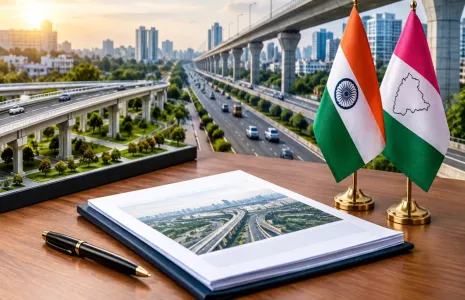

Mumbai Coastal road development work in full swing
ROADS & HIGHWAYS

Mumbai Coastal road development work in full swing

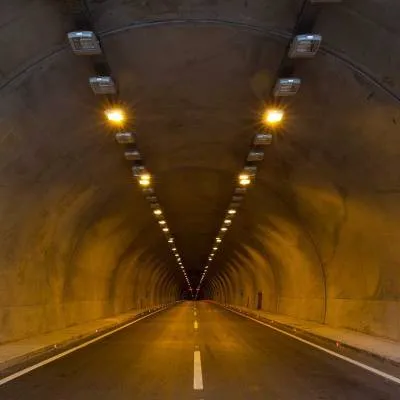
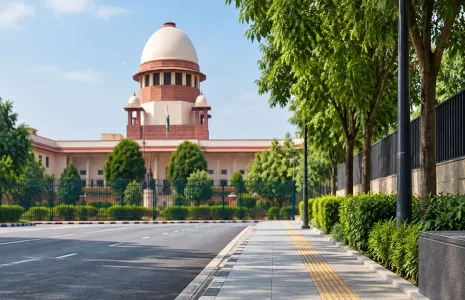
After the Supreme Court vacated the stay over development work - construction of gardens and parking lots - on land reclaimed for the Coastal Road Project (CRP), the BMC decided to rev up all its engines to begin work immediately. The body has already completed over 62 per cent of the road work and almost 70 per cent of mining work for the second tunnel, sources said.

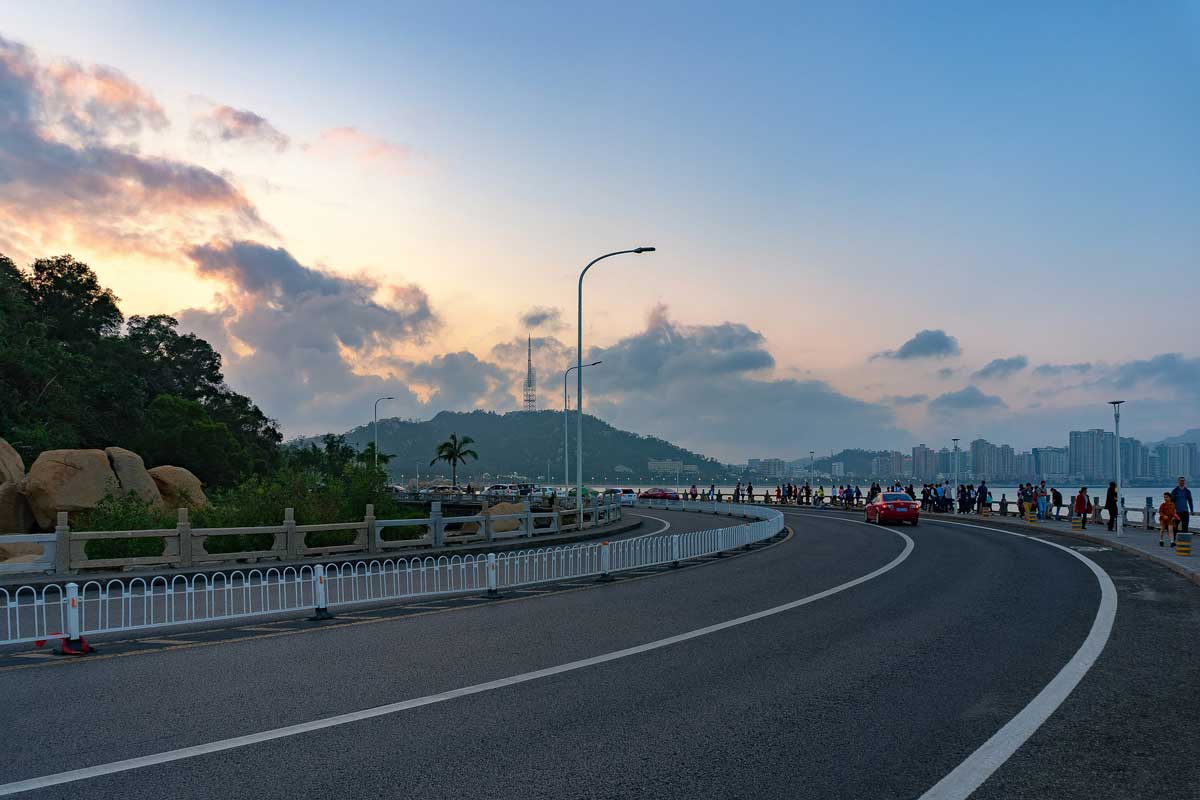
Work on the 10.58 km CRP, stretching from the Princes Street flyover to the southern end of Bandra-Worli Sea Link, began in 2018. After non-profits approached the apex court to stay the project citing climate change, only road work was allowed to be done. about 1.4 crore sq ft of land has been reclaimed for the project in total.

Around 75 per cent of the land will be used for landscaping and civic facilities like toilets, a track for jogging and cycling, a butterfly garden, a sea promenade, an open theatre, children's parks and playgrounds, police posts, bus stops, footpaths to cross the road, jetties. Three underground parking lots - near Mahalakshmi Temple and Haji Ali Dargah, Amar Sons Garden and Worli Dairy with a park on top - will also come up.

After the Supreme Court vacated the stay over development work - construction of gardens and parking lots - on land reclaimed for the Coastal Road Project (CRP), the BMC decided to rev up all its engines to begin work immediately. The body has already completed over 62 per cent of the road work and almost 70 per cent of mining work for the second tunnel, sources said. Work on the 10.58 km CRP, stretching from the Princes Street flyover to the southern end of Bandra-Worli Sea Link, began in 2018. After non-profits approached the apex court to stay the project citing climate change, only road work was allowed to be done. about 1.4 crore sq ft of land has been reclaimed for the project in total. Around 75 per cent of the land will be used for landscaping and civic facilities like toilets, a track for jogging and cycling, a butterfly garden, a sea promenade, an open theatre, children's parks and playgrounds, police posts, bus stops, footpaths to cross the road, jetties. Three underground parking lots - near Mahalakshmi Temple and Haji Ali Dargah, Amar Sons Garden and Worli Dairy with a park on top - will also come up.

Next Story
Infrastructure Urban

Implementation Status of Jal Jeevan Mission

Since August 2019 the Government has implemented Jal Jeevan Mission to provide assured potable water through household tap connections in rural India. At the start of the mission only 32.3 million (mn) rural households, representing 16.7 per cent, were reported to have tap water connections. States and union territories have reported that 125.8 mn additional rural households have since been provided with tap connections. As a result, of about 193.6 mn rural households roughly 158.2 mn, or 81.71 per cent, are reported to have tap water supply at home.\n\nThe State, district and village level st..

Next Story
Infrastructure Urban

Jal Jeevan Mission Reaches Eighty One Per Cent Rural Coverage

The Government reported substantial progress under the Jal Jeevan Mission, launched in August 2019 to provide tap water to every rural household. At launch only 32.3 million (mn) rural households had tap connections and states and Union territories reported provision of 125.8 mn additional households by March 2026. Consequently, out of about 193.6 mn rural households around 158.2 mn, or 81.71 per cent, are reported to have tap water at home. The Finance Minister announced extension of the mission until 2028 in the 2025-26 budget speech. The Swachh Bharat Mission Grameen, launched in October 20..

Next Story
Infrastructure Urban

Empowering Local Governance for Sustainable Rural Water Supply

The Ministry of Jal Shakti has aligned the Jal Jeevan Mission (JJM) with the 73rd Amendment to strengthen village level planning and community ownership of water supply. Gram Panchayats, village water and sanitation committees and Pani Samitis are to plan, implement, manage and maintain piped water systems, with gram sabha processes formalising handover and oversight. Implementation support agencies including non government organisations, community based organisations and self help groups have been empanelled to train local committees and promote women participation. Under JJM, the department ..

Advertisement

Subscribe to Our Newsletter

Get daily newsletters around different themes from Construction world.

STAY CONNECTED

Advertisement

Advertisement

Advertisement