NGT reissues Mumbai Coastal Road construction noise pollution orders
ROADS & HIGHWAYS

NGT reissues Mumbai Coastal Road construction noise pollution orders

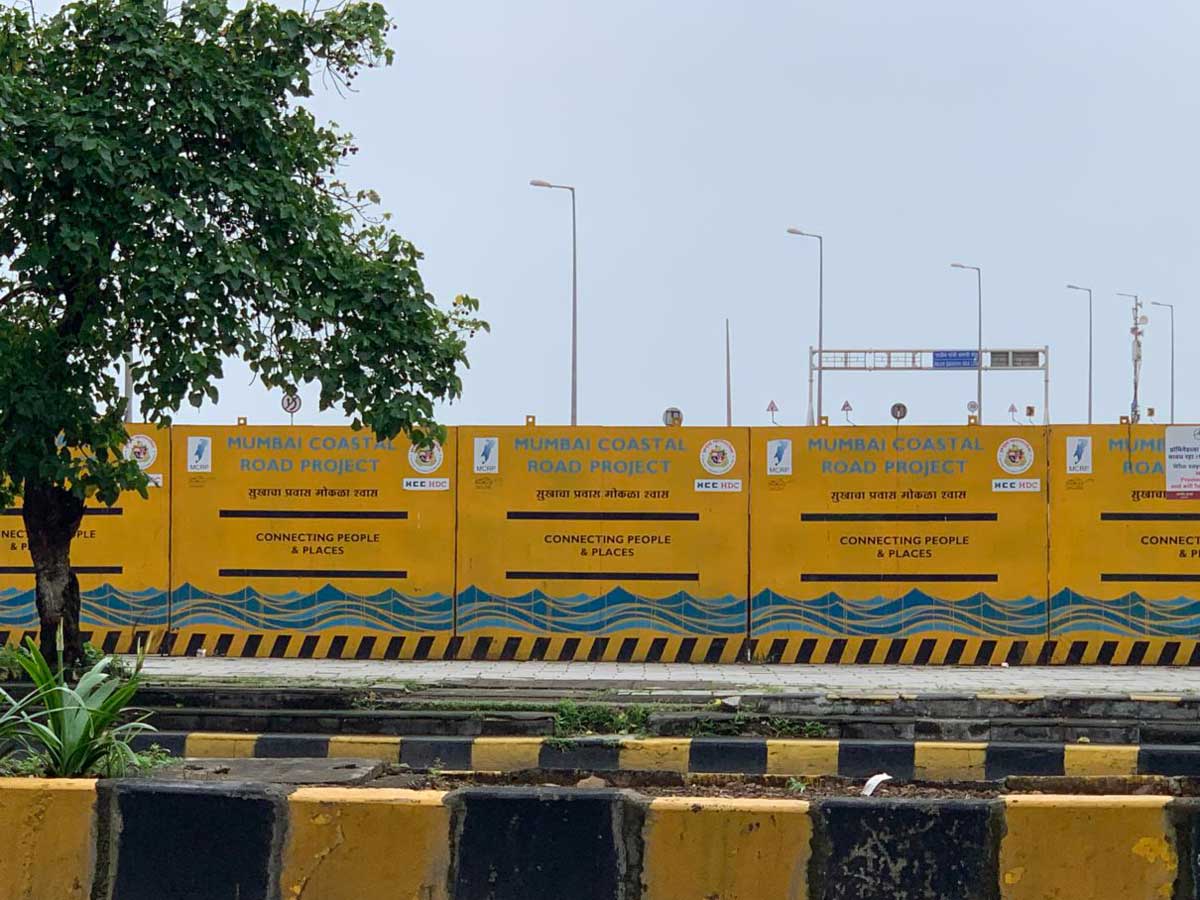
The National Green Tribunal (NGT) recalled its August 10, 2022 order that directed the Maharashtra Pollution Control Board (MPCB) to ensure that noise pollution at the South work site was brought within permissible limits within three weeks, failing which the Board could act against the defaulting agency, on a petition by Hindustan Construction Company (HCC), one of the contractors for the Mumbai Coastal Road, alleging violation of natural justice principles.

The NGT issued the order in an application filed by Dileep Nevatia, a south Mumbai resident, who sought orders directing the government and civic administration to "maintain air and noise quality levels for construction of the Coastal Road (South) project within limits specified under the Noise Pollution rules."

The Coastal Road (South) in Mumbai runs from the Princess Street Flyover to the Worli terminus of the Sea Link.

Following the judgment, the MPCB issued notifications to the BMC and HCC, directing them to take reasonable measures to reduce construction noise. The HCC subsequently petitioned the NGT last year, requesting that the ruling be recalled, citing coercive action. “It is possible that in future, some adverse action may be taken against it wrongly holding it to be responsible for higher noise levels’’ at Nevatia’s house. HCC was not even a party to the application, said its lawyer Siddhant Buxy.

The BrihanMumbai Municipal Corporation (BMC) which is executing the project, through senior counsel Jimmy Pochkhanawalla also said the earlier order which “erroneously put the onus’’ on HCC to reduce noise levels though it was not the only source of noise, was passed without making the contractor a party. It was akin to “enacting Hamlet without the Prince of Denmark”.

The Noise pollution (regulation and control) rules prescribe a day-time noise limit of 55 dB in residential areas. HCC cited noise level reports when its work was restrained in April 2019 to show at worli sea link, the level was almost 90db,” main sources of noise being vehicle movement and sea waves.’’

According to NGT, the HCC is operating under a BMC contract that allows for daytime noise levels of 75 decibels and nighttime noise levels of 65 decibels in residential areas.

The BMC also said it was “ impossible to bring down the noise level within 55 dB(A)’’ as reports established that even on non -construction days the average day-time noise levels were 73.4 dB(A) and when work was on, it was 72.5 dB.

Nevatia attended in person to oppose the HCC recall-plea, claiming that the matter was already before the Supreme Court. He further stated that because pollution levels were not under control and the MPCB neglected to take action against defaulters, he filed for 'execution' of the order, and the NGT gave notice in September.

Nevatia submitted, “There is no provision under the Environment (Protection) Act, 1986 to provide the offender an opportunity of hearing before initiating the prosecution proceedings.’’

The NGT bench of Justice DK Singh (Judicial Member) and Vijay Kulkarni, expert member, noted that the August 2022 order “would certainly impact adversely (HCC) , who is yet to be impleaded…’’ NGT said it was “evident that the noise level even without any construction activity was well beyond (the permissible) 55 dB(A).’’

“Looking to the fact that enough evidence has been placed on record before us to the effect that despite no such construction work being done, there existed much higher dB level of noise at the site in question due to other reasons such as vehicular traffic and sea waves,’’ the NGT it needs to give “adequate opportunity’’ to HCC to be heard and recalled its orders of last August observing that there was no stay by the SC on NGT proceedings.

The SC had last year raised few questions in Nevatia’s appeal which is pending. One issue is “Whether the noise pollution limits, as prescribed by the statutory rules, being the Noise Pollution Rules can be altered and increased by way of a contract?’’

Nevatia informed the NGT that he would be appealing its recall order to the Supreme Court.

In December 2011, a Joint Technical Committee suggested that approximately 35.60 kilometers of coastline road be built at a cost of Rs.5303 crores to improve quality of life, reduce commuting time by 70%, and save 34% fuel daily. According to the JPC, an additional benefit would be a reduction in carbon footprint of approximately 1826 TCO2 each year.

After multiple legal fights over project clearances, the Bombay High Court in July 2019 struck aside the CRZ clearance granted in May 2017 for building of the Coastal road, and the matter is now before the Supreme Court. The Supreme Court, in interim decisions issued on October 7, 2020.

The corporation also displayed reports from April 2019 when HC had halted operations, indicating that noise levels at Coastal Road, Near VUP Area (Bandra Worli Sea Link) were around 90 dB throughout the day with a loudspeaker. “main sources of noise being vehicle movement and sea waves.’’ It cited two more test reports.

See also:
No construction work permitted after 10 pm in Mumbai
Mumbai Coastal Road project to be ready by November 2023


The National Green Tribunal (NGT) recalled its August 10, 2022 order that directed the Maharashtra Pollution Control Board (MPCB) to ensure that noise pollution at the South work site was brought within permissible limits within three weeks, failing which the Board could act against the defaulting agency, on a petition by Hindustan Construction Company (HCC), one of the contractors for the Mumbai Coastal Road, alleging violation of natural justice principles. The NGT issued the order in an application filed by Dileep Nevatia, a south Mumbai resident, who sought orders directing the government and civic administration to maintain air and noise quality levels for construction of the Coastal Road (South) project within limits specified under the Noise Pollution rules. The Coastal Road (South) in Mumbai runs from the Princess Street Flyover to the Worli terminus of the Sea Link. Following the judgment, the MPCB issued notifications to the BMC and HCC, directing them to take reasonable measures to reduce construction noise. The HCC subsequently petitioned the NGT last year, requesting that the ruling be recalled, citing coercive action. “It is possible that in future, some adverse action may be taken against it wrongly holding it to be responsible for higher noise levels’’ at Nevatia’s house. HCC was not even a party to the application, said its lawyer Siddhant Buxy. The BrihanMumbai Municipal Corporation (BMC) which is executing the project, through senior counsel Jimmy Pochkhanawalla also said the earlier order which “erroneously put the onus’’ on HCC to reduce noise levels though it was not the only source of noise, was passed without making the contractor a party. It was akin to “enacting Hamlet without the Prince of Denmark”. The Noise pollution (regulation and control) rules prescribe a day-time noise limit of 55 dB in residential areas. HCC cited noise level reports when its work was restrained in April 2019 to show at worli sea link, the level was almost 90db,” main sources of noise being vehicle movement and sea waves.’’ According to NGT, the HCC is operating under a BMC contract that allows for daytime noise levels of 75 decibels and nighttime noise levels of 65 decibels in residential areas. The BMC also said it was “ impossible to bring down the noise level within 55 dB(A)’’ as reports established that even on non -construction days the average day-time noise levels were 73.4 dB(A) and when work was on, it was 72.5 dB. Nevatia attended in person to oppose the HCC recall-plea, claiming that the matter was already before the Supreme Court. He further stated that because pollution levels were not under control and the MPCB neglected to take action against defaulters, he filed for 'execution' of the order, and the NGT gave notice in September. Nevatia submitted, “There is no provision under the Environment (Protection) Act, 1986 to provide the offender an opportunity of hearing before initiating the prosecution proceedings.’’ The NGT bench of Justice DK Singh (Judicial Member) and Vijay Kulkarni, expert member, noted that the August 2022 order “would certainly impact adversely (HCC) , who is yet to be impleaded…’’ NGT said it was “evident that the noise level even without any construction activity was well beyond (the permissible) 55 dB(A).’’ “Looking to the fact that enough evidence has been placed on record before us to the effect that despite no such construction work being done, there existed much higher dB level of noise at the site in question due to other reasons such as vehicular traffic and sea waves,’’ the NGT it needs to give “adequate opportunity’’ to HCC to be heard and recalled its orders of last August observing that there was no stay by the SC on NGT proceedings. The SC had last year raised few questions in Nevatia’s appeal which is pending. One issue is “Whether the noise pollution limits, as prescribed by the statutory rules, being the Noise Pollution Rules can be altered and increased by way of a contract?’’ Nevatia informed the NGT that he would be appealing its recall order to the Supreme Court. In December 2011, a Joint Technical Committee suggested that approximately 35.60 kilometers of coastline road be built at a cost of Rs.5303 crores to improve quality of life, reduce commuting time by 70%, and save 34% fuel daily. According to the JPC, an additional benefit would be a reduction in carbon footprint of approximately 1826 TCO2 each year. After multiple legal fights over project clearances, the Bombay High Court in July 2019 struck aside the CRZ clearance granted in May 2017 for building of the Coastal road, and the matter is now before the Supreme Court. The Supreme Court, in interim decisions issued on October 7, 2020. The corporation also displayed reports from April 2019 when HC had halted operations, indicating that noise levels at Coastal Road, Near VUP Area (Bandra Worli Sea Link) were around 90 dB throughout the day with a loudspeaker. “main sources of noise being vehicle movement and sea waves.’’ It cited two more test reports. See also: No construction work permitted after 10 pm in Mumbai Mumbai Coastal Road project to be ready by November 2023

Next Story
Infrastructure Urban

Panasonic Showcases Connected Display Solutions

Panasonic Life Solutions India showcased its integrated display, projection, broadcast and communication technologies at Panasonic Tech Summit 2026 in New Delhi. Hosted through its System Solutions Division, the two-day event highlighted connected technology solutions for education, healthcare, retail, transportation, corporate offices and entertainment.The summit, themed ‘Turning Technology into Value’, featured experience-led zones covering QSR, retail, transit, corporate offices, healthcare, education, security, projection, home theatre and professional displays. Panasonic also introduc..

Next Story
Infrastructure Transport

Kapsch to Deliver India’s First C-ITS Project

"Kapsch TrafficCom will deliver India’s first Cooperative Intelligent Transport Systems project on a key expressway near New Delhi. The project will be implemented with Superwave Communication And Infrasolution Limited to demonstrate how connected mobility can improve road safety and traffic efficiency.The pilot will use real-time connectivity and AI-enabled situational awareness to support road users, especially in high-risk areas such as temporary work zones. Drivers will receive alerts on roadworks, maintenance vehicles, hazardous locations, traffic queues and temporary virtual signage di..

Next Story
Infrastructure Urban

Eurobond Net Profit Rises 44 Per Cent

Euro Panel Products, the parent company of Eurobond, reported a 44.13 per cent year-on-year rise in net profit for FY25–26. The company’s revenue from operations grew 18.91 per cent to Rs 503.20 crore, compared to Rs 423.18 crore in the previous financial year.The company’s full-year EBITDA stood at Rs 56.67 crore, marking a 31.82 per cent increase. Profit after tax rose to Rs 26.56 crore, while net worth increased 20.15 per cent to Rs 160.07 crore. Earnings per share for the year stood at Rs 10.84.Divyam Rajesh Shah, Whole Time Director and CFO, Euro Panel Products, said the company’s..

Advertisement

Subscribe to Our Newsletter

Get daily newsletters around different themes from Construction world.

STAY CONNECTED

Advertisement

Advertisement

Advertisement

-->