NHAI Fails To Attract Bidders For Rs 188.85 Billion BOT Projects
ROADS & HIGHWAYS

NHAI Fails To Attract Bidders For Rs 188.85 Billion BOT Projects

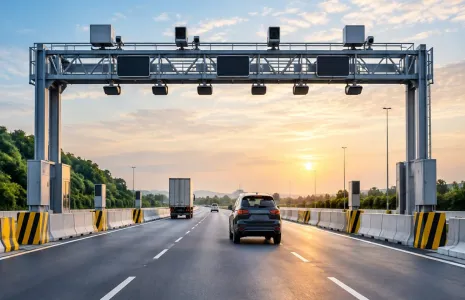
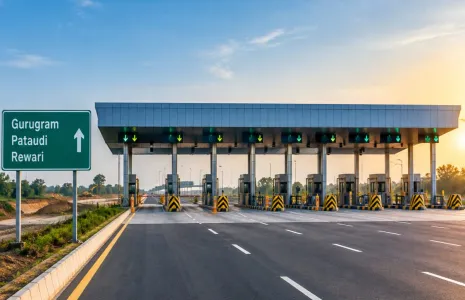
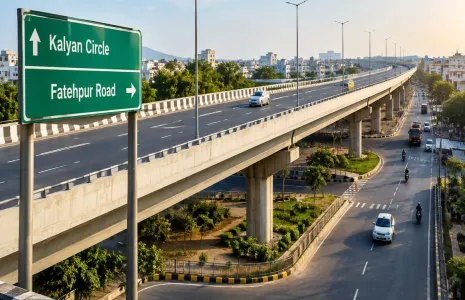
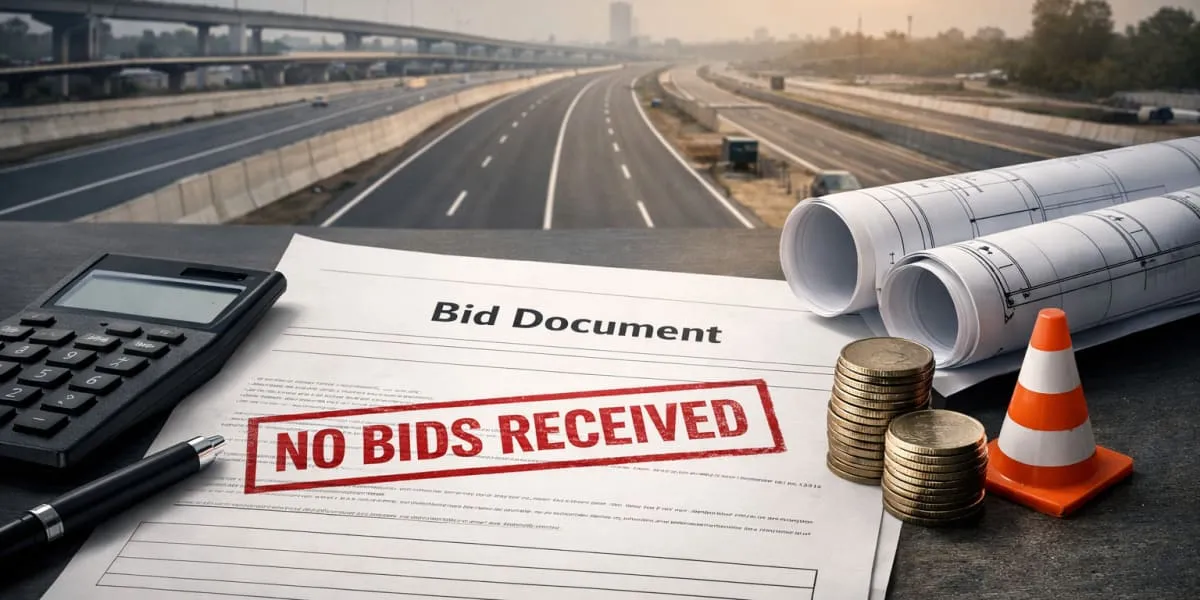
The National Highways Authority of India (NHAI) has reported that it did not receive any bids for a bundle of highway projects spanning about 912 km, with an estimated cost of Rs 188.85 billion (bn). The projects were offered under the build-operate-transfer (BOT) model that the government has sought to revive to boost private sector participation in road development. The absence of responses from bidders highlights market reluctance to re-engage with concessionaire-led structures after a prolonged period of limited activity.

The build-operate-transfer model permits private developers to finance, construct and operate highways and to recover investment through toll collection over a fixed concession period, but it requires substantial upfront capital. The model lost favour after several projects encountered delays, cost overruns and financial stress, prompting a shift towards engineering, procurement and construction and hybrid annuity models in which the government assumes a greater share of risk. Market participants indicated that the balance of risk and revenue visibility under BOT remains unattractive compared with models offering more assured returns.

Industry feedback pointed to persistent uncertainty around traffic projections and the ability to generate stable toll revenue as a chief deterrent to bidding. The high initial funding requirement under BOT arrangements compounds financing risks for developers and their lenders when long term demand trends are unclear. Moreover, past experiences of delays in land acquisition and environmental and statutory clearances have reinforced caution among private investors and financing institutions.

The government had earlier signalled intent by announcing a large pipeline of highway projects worth over Rs 2.1 trillion (tn) to reduce fiscal burden and share risks with the private sector. The lack of bids for this bundle indicates that confidence has not fully returned to concessionaire models and that further adjustments in project design, risk allocation and financial terms may be necessary. Developers appear to prefer structures that limit exposure to traffic risk or provide greater revenue certainty before committing capital.

The National Highways Authority of India (NHAI) has reported that it did not receive any bids for a bundle of highway projects spanning about 912 km, with an estimated cost of Rs 188.85 billion (bn). The projects were offered under the build-operate-transfer (BOT) model that the government has sought to revive to boost private sector participation in road development. The absence of responses from bidders highlights market reluctance to re-engage with concessionaire-led structures after a prolonged period of limited activity. The build-operate-transfer model permits private developers to finance, construct and operate highways and to recover investment through toll collection over a fixed concession period, but it requires substantial upfront capital. The model lost favour after several projects encountered delays, cost overruns and financial stress, prompting a shift towards engineering, procurement and construction and hybrid annuity models in which the government assumes a greater share of risk. Market participants indicated that the balance of risk and revenue visibility under BOT remains unattractive compared with models offering more assured returns. Industry feedback pointed to persistent uncertainty around traffic projections and the ability to generate stable toll revenue as a chief deterrent to bidding. The high initial funding requirement under BOT arrangements compounds financing risks for developers and their lenders when long term demand trends are unclear. Moreover, past experiences of delays in land acquisition and environmental and statutory clearances have reinforced caution among private investors and financing institutions. The government had earlier signalled intent by announcing a large pipeline of highway projects worth over Rs 2.1 trillion (tn) to reduce fiscal burden and share risks with the private sector. The lack of bids for this bundle indicates that confidence has not fully returned to concessionaire models and that further adjustments in project design, risk allocation and financial terms may be necessary. Developers appear to prefer structures that limit exposure to traffic risk or provide greater revenue certainty before committing capital.

Next Story
Infrastructure Urban

WACKER to Increase Silicone Product Prices from April

WACKER Chemie AG has announced a price increase for its silicone-based products, effective April 1, 2026, citing rising input and logistics costs.The company stated that ongoing geopolitical developments in the Middle East have disrupted global supply chains, leading to sharp increases in energy, raw material and transportation costs. These factors have significantly impacted its global silicones business.Despite efforts to optimise its production and logistics network to minimise customer impact, WACKER noted that the scale of cost escalation has made price adjustments unavoidable. Customers ..

Next Story
Real Estate

Paranjape Schemes Plans Pune West Projects Worth Rs 11.75 billion

Paranjape Schemes Construction Limited has announced a new residential project pipeline across Pune West, comprising around 1,400 homes with an estimated revenue potential of Rs 11.75 billion.The upcoming launches span key micro-markets including Sinhgad Road, Bhugaon and Hinjewadi Phase 1, with plans to develop over 1.75 million sq ft of residential space. The projects include two towers each at Sinhgad Road and Bhugaon, and one tower at Hinjewadi Phase 1.These developments are aimed at meeting rising demand for well-connected and lifestyle-focused housing in Pune’s western corridor, offeri..

Next Story
Infrastructure Urban

HPWWI Achieves 100% Success in WorldSkills Debut

Hettich Poddar Woodworking Institute recorded a 100 per cent success rate in its first WorldSkills preparation initiative, with all six of its candidates winning medals at the regional competition held in Agra.The institute launched its WorldSkills preparation camp recently to identify and train talent across joinery, cabinet making and carpentry trades. Sixteen candidates were initially shortlisted and underwent industry-aligned training before progressing through district and state-level rounds.From a pool of over 700 participants across the North Zone, six HPWWI candidates advanced to the r..

Advertisement

Subscribe to Our Newsletter

Get daily newsletters around different themes from Construction world.

STAY CONNECTED

Advertisement

Advertisement

Advertisement