+
NHAI Invests Rs. 197 bn in Wildlife Safeguards over Five Years
ROADS & HIGHWAYS

NHAI Invests Rs. 197 bn in Wildlife Safeguards over Five Years

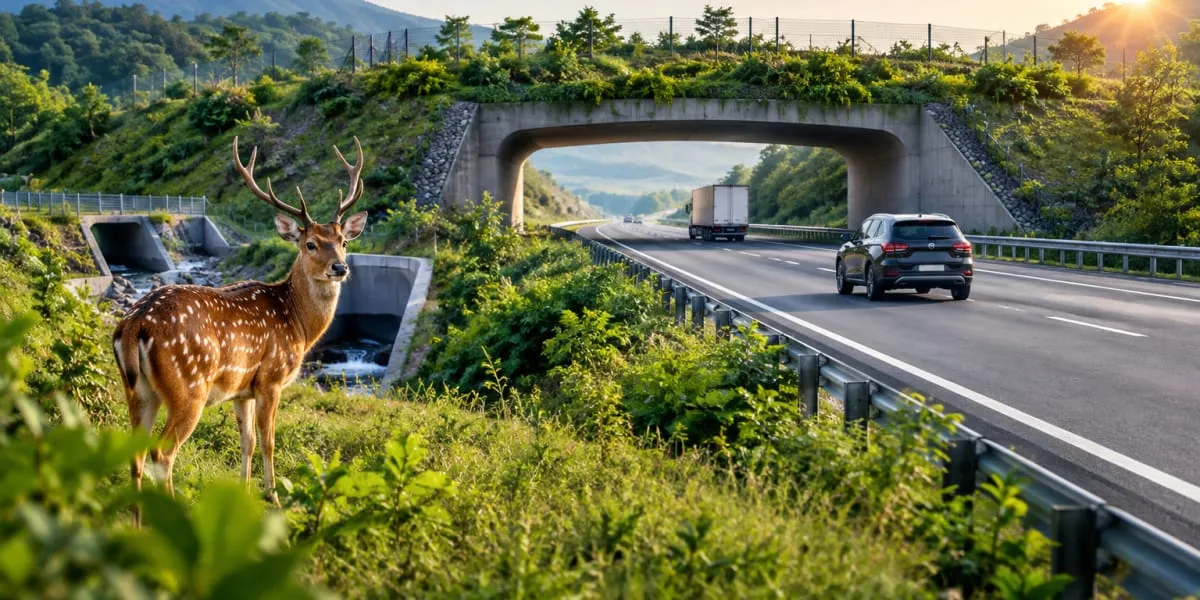
The government has invested around Rs. 197 bn in wildlife mitigation infrastructure and related environmental protection measures across national highway projects over the past five years, according to a report released by the National Highways Authority of India (NHAI). The measures are intended to address habitat fragmentation, barrier effects and wildlife–vehicle collisions while supporting safe traffic movement.

The report, titled Wildlife Mitigation Measures & Structures, states that NHAI has constructed or proposed more than 2,150 structures across highway corridors in India. These include animal underpasses, major and minor bridge-cum-animal underpasses, culverts adapted for wildlife movement, canopy crossings and other specialised facilities.

Structural mitigation spending includes around Rs. 46 bn on animal underpasses, Rs. 6.5 bn on animal overpasses and Rs. 83 bn on viaducts. Construction planning accounts for Rs. 28 bn, while major bridge projects have received Rs. 25 bn and minor bridges Rs. 5 bn, the document stated.

The structures are designed to facilitate wildlife movement across highway corridors and preserve ecological connectivity between habitats. The report was released by Road Transport and Highways Minister Nitin Gadkari during a two-day Chintan Shivir in Ekta Nagar, Gujarat, reflecting the authority’s effort to balance connectivity requirements with environmental sustainability and wildlife conservation.

NHAI said mitigation planning is based on the ecological sensitivity of project corridors, wildlife movement patterns and the technical feasibility of individual designs. Alongside structural measures, it has introduced noise barriers, reptile crossings, rainwater harvesting and other interventions, while guide fencing and noise barriers have been installed along more than 300 km of alignments. Camera trapping is used to monitor wildlife movement, and collision hotspots are addressed through speed regulation boards, signage and periodic reviews.

The government has invested around Rs. 197 bn in wildlife mitigation infrastructure and related environmental protection measures across national highway projects over the past five years, according to a report released by the National Highways Authority of India (NHAI). The measures are intended to address habitat fragmentation, barrier effects and wildlife–vehicle collisions while supporting safe traffic movement. The report, titled Wildlife Mitigation Measures & Structures, states that NHAI has constructed or proposed more than 2,150 structures across highway corridors in India. These include animal underpasses, major and minor bridge-cum-animal underpasses, culverts adapted for wildlife movement, canopy crossings and other specialised facilities. Structural mitigation spending includes around Rs. 46 bn on animal underpasses, Rs. 6.5 bn on animal overpasses and Rs. 83 bn on viaducts. Construction planning accounts for Rs. 28 bn, while major bridge projects have received Rs. 25 bn and minor bridges Rs. 5 bn, the document stated. The structures are designed to facilitate wildlife movement across highway corridors and preserve ecological connectivity between habitats. The report was released by Road Transport and Highways Minister Nitin Gadkari during a two-day Chintan Shivir in Ekta Nagar, Gujarat, reflecting the authority’s effort to balance connectivity requirements with environmental sustainability and wildlife conservation. NHAI said mitigation planning is based on the ecological sensitivity of project corridors, wildlife movement patterns and the technical feasibility of individual designs. Alongside structural measures, it has introduced noise barriers, reptile crossings, rainwater harvesting and other interventions, while guide fencing and noise barriers have been installed along more than 300 km of alignments. Camera trapping is used to monitor wildlife movement, and collision hotspots are addressed through speed regulation boards, signage and periodic reviews.

Related Stories

Gold Stories

Next Story
Infrastructure Transport

Embraer to Acquire 51 Per Cent Stake in Mahindra Aerospace Arm

Brazilian aerospace major Embraer will acquire a 51 per cent equity stake in Novavayu Aerospace, a step-down subsidiary of Mahindra and Mahindra, under an Investment Agreement notified by the automobile company in an exchange filing. The transaction will give Embraer control of the aerospace business. Following completion of the acquisition, Novavayu Aerospace will cease to be a wholly owned subsidiary and become an associate of Mahindra Defence Systems, which is a step-down wholly owned subsidiary of Mahindra and Mahindra. The agreement is expected to be completed on or before December 1. Mah..
Next Story
Infrastructure Urban

RBI Opens Special Dollar Window for Three State-Run OMCs

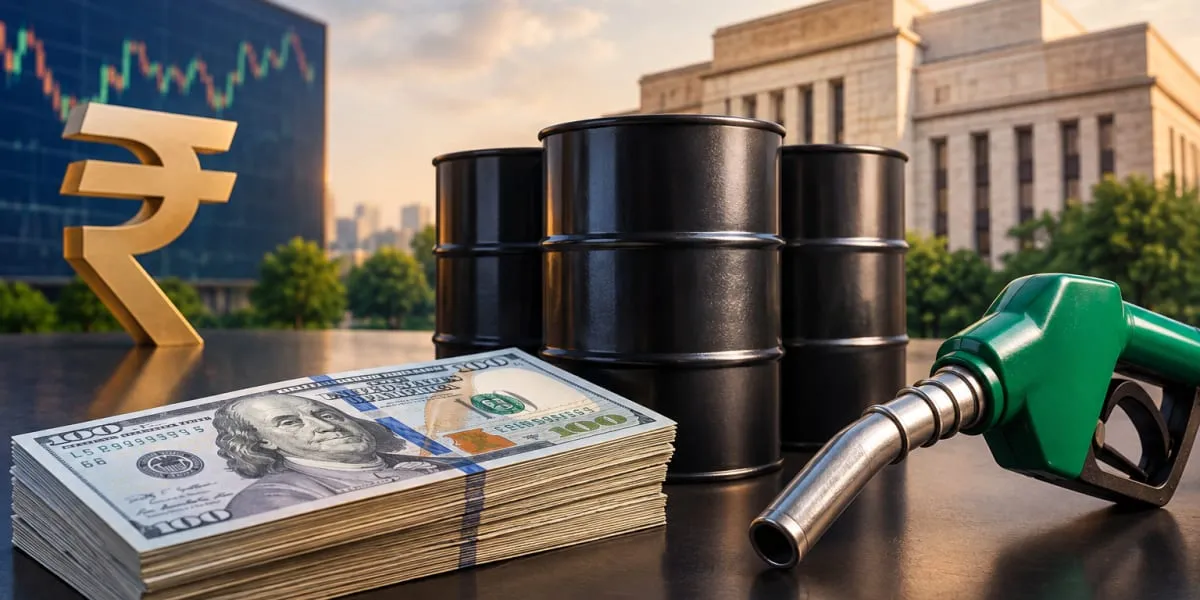
The Reserve Bank of India (RBI) has opened a special facility to meet the entire daily US dollar requirements of three public sector oil marketing companies (OMCs), in a move aimed at easing pressure on the Indian rupee. The facility will take effect on October 12, 2026, and remain available until further notice. Indian Oil Corporation, Hindustan Petroleum Corporation and Bharat Petroleum Corporation are eligible to use the arrangement. Under the facility, the RBI will sell US dollars to the three companies through designated banks, allowing them to meet their oil-import payments without sourc..
Next Story
Building Material

Cement Prices Likely to Rise Rs. 10-15 per Bag from Mid-October

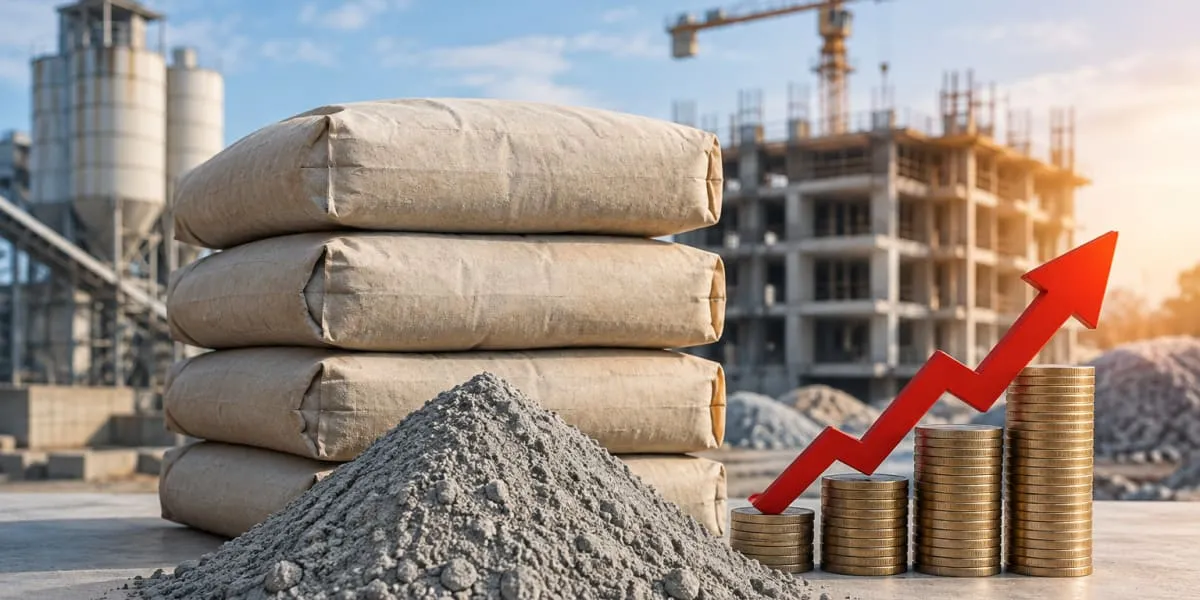
Cement manufacturers in India are likely to raise prices by Rs. 10-15 per bag from mid-October, as they seek to offset persistent increases in power and fuel costs. Emkay Research said its channel checks indicated a high probability of an increase from October 12, supported by the start of the busy construction season and favourable demand-supply conditions. The sector had implemented similar rate adjustments of Rs. 10-15 per bag during the first quarter, but the increases were insufficient to cover higher operating costs. Prices also softened during July and August because of the monsoon, wid..

Advertisement

Subscribe to Our Newsletter

Get daily newsletters around different themes from Construction world.

STAY CONNECTED

Advertisement

SPECIAL OFFER
QR Code