NHAI Plans Cashless Tolling at 1,150 Plazas from April One
ROADS & HIGHWAYS

NHAI Plans Cashless Tolling at 1,150 Plazas from April One

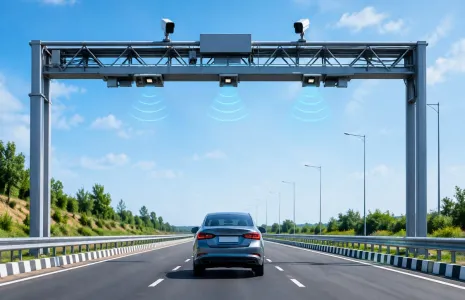
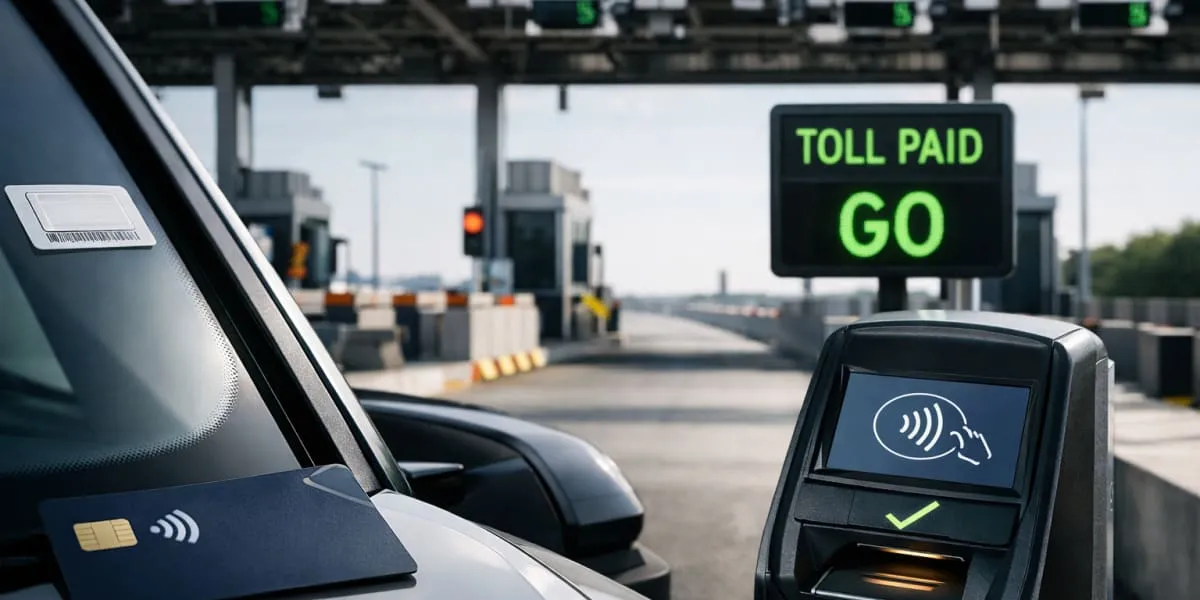
The National Highways Authority of India has proposed a complete shift to cashless toll collection at 1,150 toll plazas from April one, with electronic payments to become the default mode across national highways. The initiative forms part of an administrative push to digitise toll operations and to reduce direct cash handling at collection points, and the proposal sets a firm target date for transition.

Under the plan, motorists will be required to use electronic toll tags and other digital payment methods for passage through plazas, with electronic transactions expected to expedite vehicle movement and reduce queues. Officials expect operational gains from reduced cash handling and improved revenue tracking, and they envisage smoother traffic flow during peak periods as a result of reduced transaction times.

Implementation will involve coordination between toll operators, banks and highway authorities to ensure system readiness and interoperability of payment systems. Authorities plan to provide on-site assistance at plazas during the initial phase to help motorists adapt to the new regime, and contingency arrangements for network disruptions and dispute resolution mechanisms are to be part of operational planning to maintain uninterrupted toll collection.

Stakeholders have been urged to intensify awareness efforts so that vehicle owners obtain necessary digital instruments in advance of the deadline. The shift to cashless collection aligns with broader government objectives to modernise infrastructure and encourage digital payments across public services. The NHAI has set April one as the target date for full implementation and has called for strict compliance thereafter. Motorists are advised to ensure that their electronic payment instruments are active and properly linked to avoid delays.

The National Highways Authority of India has proposed a complete shift to cashless toll collection at 1,150 toll plazas from April one, with electronic payments to become the default mode across national highways. The initiative forms part of an administrative push to digitise toll operations and to reduce direct cash handling at collection points, and the proposal sets a firm target date for transition. Under the plan, motorists will be required to use electronic toll tags and other digital payment methods for passage through plazas, with electronic transactions expected to expedite vehicle movement and reduce queues. Officials expect operational gains from reduced cash handling and improved revenue tracking, and they envisage smoother traffic flow during peak periods as a result of reduced transaction times. Implementation will involve coordination between toll operators, banks and highway authorities to ensure system readiness and interoperability of payment systems. Authorities plan to provide on-site assistance at plazas during the initial phase to help motorists adapt to the new regime, and contingency arrangements for network disruptions and dispute resolution mechanisms are to be part of operational planning to maintain uninterrupted toll collection. Stakeholders have been urged to intensify awareness efforts so that vehicle owners obtain necessary digital instruments in advance of the deadline. The shift to cashless collection aligns with broader government objectives to modernise infrastructure and encourage digital payments across public services. The NHAI has set April one as the target date for full implementation and has called for strict compliance thereafter. Motorists are advised to ensure that their electronic payment instruments are active and properly linked to avoid delays.

Next Story
Infrastructure Urban

Flender Unveils N-ZAPEX Gear Couplings for Cost-Effective Operation

Flender has unveiled its new N-ZAPEX gear couplings, setting a new industry standard for drive applications in harsh conditions, such as those found in steel, cement, mining, and oil & gas industries. Designed to deliver economic benefits over the entire lifecycle, the N-ZAPEX series offers the highest torque density and misalignment capacities on the market.The N-ZAPEX is available in two versions, XN and XW, each tailored to meet different customer requirements. The XN variant focuses on standardisation, reduced complexity, and cost-effectiveness for smaller sizes, featuring reusable com..

Next Story
Infrastructure Urban

Anil Agarwal Calls for Entrepreneurial Role in Natural Resource PSUs

Anil Agarwal, Chairman of Vedanta, has highlighted the transformative potential of greater entrepreneurial involvement in India's public sector companies within the natural resources space. In a LinkedIn post, he emphasised the importance of empowering India’s pool of entrepreneurs alongside skilled public-sector talent to strengthen domestic production and reduce the country’s reliance on imports.Agarwal drew comparisons with India’s agricultural success, where self-sufficiency and surplus production were achieved. He suggested that a similar approach could unlock substantial value in p..

Next Story
Technology

Advaiya Launches Change Log Archival App for Microsoft Dynamics 365

Advaiya has launched its Change Log Archival app for Microsoft Dynamics 365 Business Central on the Microsoft Marketplace. The app enables organisations to securely archive large volumes of change log data outside the core ERP system while ensuring auditability, compliance, and traceability.As organisations face growing change log records that increase database size and impact system performance, the Change Log Archival app addresses these challenges by archiving historical logs to Azure Blob Storage. This solution optimises storage, maintains data integrity, and ensures accessibility, allowin..

Advertisement

Subscribe to Our Newsletter

Get daily newsletters around different themes from Construction world.

STAY CONNECTED

Advertisement

Advertisement

Advertisement