NHAI teams up with geological survey for highway network consultancy
ROADS & HIGHWAYS

NHAI teams up with geological survey for highway network consultancy

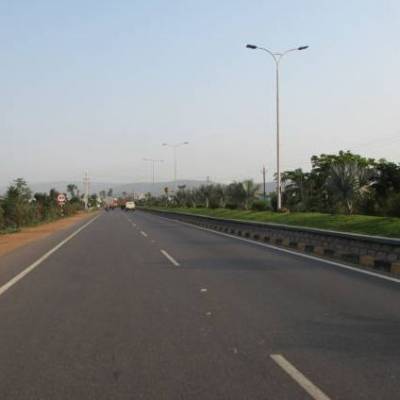
In order to establish a resilient National Highways network, NHAI has entered into a Memorandum of Understanding (MoU) with the Geological Survey of India (GSI) to render services to NHAI in terms of site-specific geotechnical consultancy and assistance in evaluating Detailed Project Reports (DPR) from a geotechnical perspective. The MoU was executed in the presence of NHAI Chairman, Shri Santosh Kumar Yadav, and Dr Saibal Ghosh, Deputy Director-General of the Geological Survey of India, along with other senior officials from NHAI and GSI.

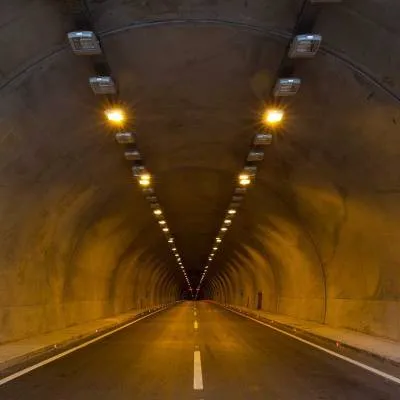
According to the agreement, the Geological Survey of India is obligated to offer site-specific geotechnical consultancy services related to the creation of geological maps for the area, detailing geological features, conducting slope stability studies for the road, and providing necessary recommendations. Additionally, GSI will identify geologically weak zones at various sites or stretches of National Highways, propose site-specific remedial measures, perform 3D geological logging of tunnels in the project, and suggest necessary and relevant stabilisation measures. Furthermore, GSI will conduct a thorough analysis of DPRs prepared by NHAI consultants.

This distinctive collaborative initiative between two government organizations to exchange best practices is expected to significantly contribute to the high-quality construction of National Highways. It will not only facilitate smoother operations and maintenance of the highways but will also enhance the overall travel experience for National Highway users.

In order to establish a resilient National Highways network, NHAI has entered into a Memorandum of Understanding (MoU) with the Geological Survey of India (GSI) to render services to NHAI in terms of site-specific geotechnical consultancy and assistance in evaluating Detailed Project Reports (DPR) from a geotechnical perspective. The MoU was executed in the presence of NHAI Chairman, Shri Santosh Kumar Yadav, and Dr Saibal Ghosh, Deputy Director-General of the Geological Survey of India, along with other senior officials from NHAI and GSI. According to the agreement, the Geological Survey of India is obligated to offer site-specific geotechnical consultancy services related to the creation of geological maps for the area, detailing geological features, conducting slope stability studies for the road, and providing necessary recommendations. Additionally, GSI will identify geologically weak zones at various sites or stretches of National Highways, propose site-specific remedial measures, perform 3D geological logging of tunnels in the project, and suggest necessary and relevant stabilisation measures. Furthermore, GSI will conduct a thorough analysis of DPRs prepared by NHAI consultants. This distinctive collaborative initiative between two government organizations to exchange best practices is expected to significantly contribute to the high-quality construction of National Highways. It will not only facilitate smoother operations and maintenance of the highways but will also enhance the overall travel experience for National Highway users.

Next Story
Infrastructure Urban

Implementation Status of Jal Jeevan Mission

Since August 2019 the Government has implemented Jal Jeevan Mission to provide assured potable water through household tap connections in rural India. At the start of the mission only 32.3 million (mn) rural households, representing 16.7 per cent, were reported to have tap water connections. States and union territories have reported that 125.8 mn additional rural households have since been provided with tap connections. As a result, of about 193.6 mn rural households roughly 158.2 mn, or 81.71 per cent, are reported to have tap water supply at home.\n\nThe State, district and village level st..

Next Story
Infrastructure Urban

Jal Jeevan Mission Reaches Eighty One Per Cent Rural Coverage

The Government reported substantial progress under the Jal Jeevan Mission, launched in August 2019 to provide tap water to every rural household. At launch only 32.3 million (mn) rural households had tap connections and states and Union territories reported provision of 125.8 mn additional households by March 2026. Consequently, out of about 193.6 mn rural households around 158.2 mn, or 81.71 per cent, are reported to have tap water at home. The Finance Minister announced extension of the mission until 2028 in the 2025-26 budget speech. The Swachh Bharat Mission Grameen, launched in October 20..

Next Story
Infrastructure Urban

Empowering Local Governance for Sustainable Rural Water Supply

The Ministry of Jal Shakti has aligned the Jal Jeevan Mission (JJM) with the 73rd Amendment to strengthen village level planning and community ownership of water supply. Gram Panchayats, village water and sanitation committees and Pani Samitis are to plan, implement, manage and maintain piped water systems, with gram sabha processes formalising handover and oversight. Implementation support agencies including non government organisations, community based organisations and self help groups have been empanelled to train local committees and promote women participation. Under JJM, the department ..

Advertisement

Subscribe to Our Newsletter

Get daily newsletters around different themes from Construction world.

STAY CONNECTED

Advertisement

Advertisement

Advertisement