NHAI to Shift All Toll Plazas to Cashless Collection from April
ROADS & HIGHWAYS

NHAI to Shift All Toll Plazas to Cashless Collection from April

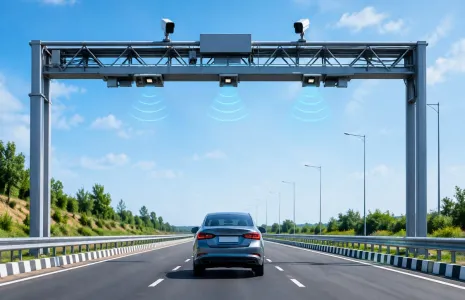
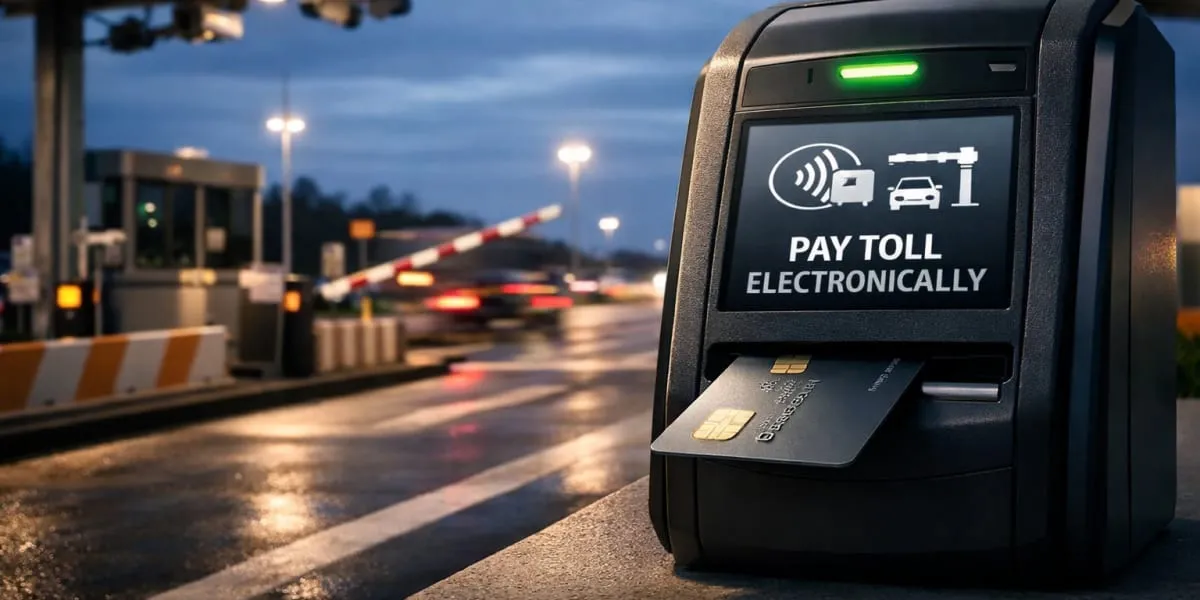
The National Highways Authority of India has proposed a complete transition to cashless toll collection at 1,150 plazas from April one. The proposal calls for electronic payment modes to be the exclusive means of toll payment at each plaza, eliminating routine cash transactions. The move is presented as a policy measure to modernise toll operations and to streamline revenue collection. The proposal indicates a timeline and sets compliance expectations for operators.

Under the proposal, toll plazas would adopt interoperable electronic systems and point of sale acceptance for cards and mobile payments where necessary, with emphasis on automated tag based passage. Operators would be expected to upgrade equipment and to integrate with central clearing systems to ensure interoperability and to reduce disputes. The authority envisages phased enforcement and coordination with banks and payment service providers to manage the transition. Testing and pilot runs are anticipated to verify system readiness before full enforcement.

Officials framed the change as intended to reduce congestion and dwell times at booths, to enhance transparency in receipts and to lower operational risks associated with cash handling. Motorists would be encouraged to obtain and maintain electronic tags and to ensure linked accounts have sufficient balances. The proposal anticipates monitoring traffic flow and revenue patterns to assess effectiveness. Data from the roll out would be used to refine operational protocols and customer guidance.

Stakeholders noted that roadside assistance and contingency measures would be necessary to handle exceptions during the initial phase and that clear communication would be critical to minimise disruption. Toll contractors would need to train staff and to adapt customer support to resolve payment and reconciliation issues. The authority is expected to finalise implementation guidelines ahead of the effective date. Regulatory clarity and support from financial partners are cited as prerequisites for a smooth shift.

The National Highways Authority of India has proposed a complete transition to cashless toll collection at 1,150 plazas from April one. The proposal calls for electronic payment modes to be the exclusive means of toll payment at each plaza, eliminating routine cash transactions. The move is presented as a policy measure to modernise toll operations and to streamline revenue collection. The proposal indicates a timeline and sets compliance expectations for operators. Under the proposal, toll plazas would adopt interoperable electronic systems and point of sale acceptance for cards and mobile payments where necessary, with emphasis on automated tag based passage. Operators would be expected to upgrade equipment and to integrate with central clearing systems to ensure interoperability and to reduce disputes. The authority envisages phased enforcement and coordination with banks and payment service providers to manage the transition. Testing and pilot runs are anticipated to verify system readiness before full enforcement. Officials framed the change as intended to reduce congestion and dwell times at booths, to enhance transparency in receipts and to lower operational risks associated with cash handling. Motorists would be encouraged to obtain and maintain electronic tags and to ensure linked accounts have sufficient balances. The proposal anticipates monitoring traffic flow and revenue patterns to assess effectiveness. Data from the roll out would be used to refine operational protocols and customer guidance. Stakeholders noted that roadside assistance and contingency measures would be necessary to handle exceptions during the initial phase and that clear communication would be critical to minimise disruption. Toll contractors would need to train staff and to adapt customer support to resolve payment and reconciliation issues. The authority is expected to finalise implementation guidelines ahead of the effective date. Regulatory clarity and support from financial partners are cited as prerequisites for a smooth shift.

Next Story
Technology

India Data Centre Market to Cross USD 22 Bn by 2030: Vestian

India’s data centre market is projected to more than double from around USD 10 billion in 2025 to USD 22 billion by 2030, according to a latest report by Vestian. The growth is expected to be driven by rising cloud adoption, expanding AI workloads and increasing demand for data-intensive digital services.Vestian noted that the global data centre sector is witnessing rapid expansion, with current installed capacity estimated at 40–50 GW and projections exceeding 100 GW by 2030. Within this evolving landscape, India is emerging as a strategic hub in the Asia-Pacific region, supported by its ..

Next Story
Real Estate

Retail Leasing Hits 4.3 Mn Sq Ft in H2 2025: ANAROCK RELEAP 2026

India’s retail real estate market recorded a total retail absorption of around 4.3 million sq ft across the top seven cities in H2 2025, reflecting steady leasing activity despite a dynamic market environment, according to ANAROCK Retail’s flagship report, RELEAP 2026.The report highlights a structural shift in the sector as organised retail moves beyond transactional formats toward experience-led spaces that combine shopping, entertainment and dining. Apparel emerged as the leading category driving leasing demand during the period, followed by entertainment, hypermarkets/supermarkets, and..

Next Story
Building Material

Berger Paints Launches ‘Garmi Gone, Thandak On’ Cooling Range

Berger Paints India has launched its Home Cooling Paints Range along with a nationwide campaign titled ‘Garmi Gone, Thandak On’, as rising temperatures continue to pose growing challenges for households across India.The company said the campaign promotes smarter and energy-efficient cooling solutions by focusing on preventing heat from entering homes rather than relying solely on air conditioning. Berger Paints stated that a significant amount of heat enters homes through walls, rooftops and structural openings, making surface protection an important factor in reducing indoor discomfort du..

Advertisement

Subscribe to Our Newsletter

Get daily newsletters around different themes from Construction world.

STAY CONNECTED

Advertisement

Advertisement

Advertisement