RAHSTA calls for Smarter, Sustainable Highway Growth
ROADS & HIGHWAYS

RAHSTA calls for Smarter, Sustainable Highway Growth

India’s roads and highways sector is entering a defining phase — one that demands stronger collaboration, smarter technologies, sustainable materials, and a renewed focus on quality and long-term asset performance. Against this backdrop, RAHSTA 2026 is set to emerge as one of the country’s most important platforms for the roads and highways ecosystem.

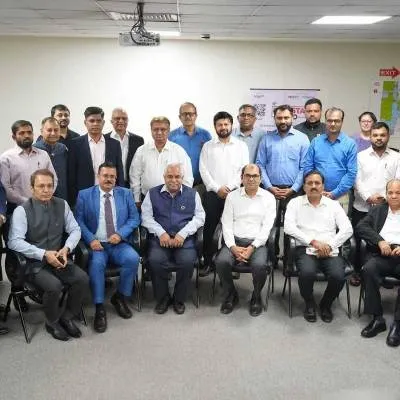
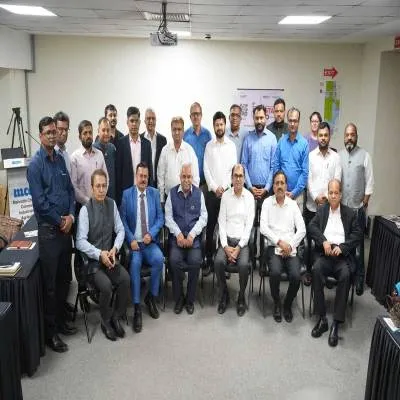
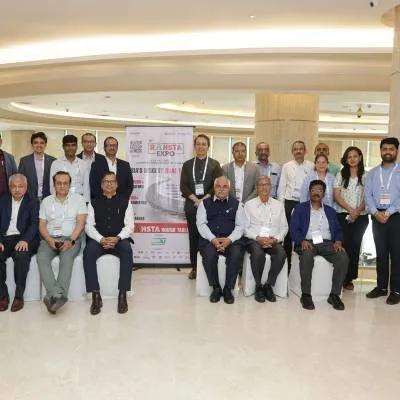
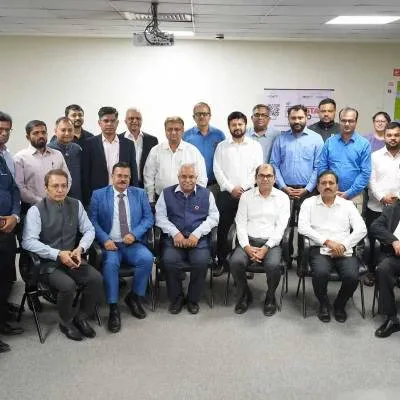
Ahead of the RAHSTA 2026, scheduled on July 8–9, 2026 at Jio World Convention Centre, two high-impact industry roundtables were successfully organised — the first in Mumbai on March 11, 2026, and the second in Pune on April 29, 2026. The discussions brought together leading contractors, equipment manufacturers, consultants, policymakers, technology providers and industry stakeholders to deliberate on the future of India’s highway infrastructure sector.

The conversations reflected an industry at a turning point. While India has achieved remarkable success in expanding its highway network over the past decade, the next phase of growth will be defined not merely by kilometres built, but by durability, sustainability, financial discipline, technology adoption and execution excellence.

Pratap Padode, Founder, First Construction Council, highlighted the mounting pressure on the infrastructure sector due to geopolitical uncertainties and rising project costs. “What this has done is create a 360-degree attack. Materials, equipment, labour, capital — everything is being affected simultaneously. Our industry already works on very thin margins, and this has added another layer of pressure,” he said.

Lt Gen Rajeev Chaudhary, former DG, Border Roads Organisation, and Chairman of the RAHSTA Committee, stressed that the sector is entering a far more complex phase of infrastructure development. “The easy highway projects are largely behind us. What lies ahead are technically demanding projects in difficult terrains, border regions and urban corridors. The industry now needs stronger collaboration, better planning and a sharper focus on quality and long-term performance,” he said.

He also raised concerns over aggressive negative bidding in infrastructure projects. According to him, even a small increase in project costs can severely impact contractors when bids are quoted significantly below project estimates. “The cheapest bid is not always the most economical one. Eventually, the actual cost reappears through delays, disputes, maintenance and compromised asset life,” he observed.

The issue of irrational bidding emerged as one of the strongest themes across both roundtables. Ajay Hans, Managing Director, GV Infra, pointed out that contractors are increasingly under pressure due to volatile steel, bitumen and fuel prices combined with stretched cash flows. “Contractors are facing a difficult situation as input prices continue to rise without adequate relief mechanisms in many contracts. This leads to slower execution, more claims and greater financial stress,” he noted.

Hans also suggested the need for safeguards against unrealistic pricing. He proposed that if the gap between the lowest and second-lowest bidder exceeds a reasonable threshold, such bids should be carefully re-evaluated to protect project quality and execution viability.

Industry leaders also emphasised that innovation and technology adoption must become central to future project execution. Abhijit Som, Managing Director, Dynapac India, said India needs to allow greater flexibility in construction methodologies and specifications. “The question should not only be why a bid is low, but also how exactly the cost reduction will be achieved. If a contractor can technically demonstrate a more efficient method without compromising performance, the system should encourage such innovation,” he explained.

The discussions also highlighted the increasing importance of mechanisation, automation and digital technologies in infrastructure delivery. Sunil More, Director – Factory Operations, Sany India, stressed that the industry cannot continue to depend indefinitely on fuel-heavy systems. He noted that electric construction equipment, automated plants and digital monitoring systems will play a major role in reducing long-term operational volatility.

Technology availability and domestic manufacturing emerged as another critical area of concern. Dr Lakshmana Rao Mantri, Dy General Manager, Afcons Infrastructure, highlighted the shortage of specialised equipment such as tunnel boring machines, which is slowing several major infrastructure projects across the country. Industry experts stressed the need for localisation and indigenous manufacturing capabilities across the construction equipment ecosystem.

The roundtables also brought strong attention to sustainability and durability in road construction. Himanshu Agarwal, COO – Road & Infrastructure, Zydex Group India, questioned whether roads are currently being designed for longevity or merely for cost efficiency. Experts collectively advocated a shift towards performance-based specifications, longer lifecycle planning and greater use of industrial by-products such as fly ash, slag and plastic waste in road construction.

As India accelerates investments in highways, expressways, tunnels, logistics corridors and multimodal connectivity, aims to serve as the industry’s premier platform to address these opportunities and challenges under one roof.

The event will feature Lt Gen Rajeev Chaudhry, former DG, Border Roads Organisation, as Guest of Honour, while Bidur Kant Jha from MoRTH will deliver the keynote address.

The expo will bring together leading stakeholders from across the infrastructure value chain, including contractors, policymakers, consultants, equipment manufacturers, technology providers, material suppliers and infrastructure developers. Prominent exhibitors participating at the event include LiuGong India, Caterpillar India, Tata Hitachi, Dynapac, SRMB Steel, Volvo Construction Equipment, Kataline Infra Products, Kaushik Engineering Works, and Electrotherm India, among others.

The expo is also backed by strong industry and institutional support through associations and knowledge partners including All India Transporters Welfare Association, CILT India, Highway Operators Association of India, Hydraulic Trailer Owners Association, Invest India, Construction Chemicals Manufacturers Association, Builders Association of India, Construction Equipment Rental Association, Consulting Engineers Association of India, NHBF, International Road Federation, Indian Institute of Material Management, Gujarat Contractors Association, Fluid Power Society of India, Tunneling Association of India, Central Road Research Institute, Mumbai First, Bitumen Forum and Pavers & Blocks Manufacturers Association.

In addition to the exhibition, the event will also host the RASTA Masterclass, a specialised two-day corporate training programme focused on modern highway construction practices, technologies, quality standards and project execution.

Another major highlight will be the RAHSTA Awards, which will recognise excellence and innovation across 37 categories spanning road construction, highway engineering, safety, sustainability, materials, equipment and infrastructure development.

With India entering a new era of infrastructure transformation, is expected to become a crucial platform for industry dialogue, business networking, technology showcase and policy engagement — helping shape the future of the nation’s roads and highways sector.


India’s roads and highways sector is entering a defining phase — one that demands stronger collaboration, smarter technologies, sustainable materials, and a renewed focus on quality and long-term asset performance. Against this backdrop, RAHSTA 2026 is set to emerge as one of the country’s most important platforms for the roads and highways ecosystem.Ahead of the RAHSTA 2026, scheduled on July 8–9, 2026 at Jio World Convention Centre, two high-impact industry roundtables were successfully organised — the first in Mumbai on March 11, 2026, and the second in Pune on April 29, 2026. The discussions brought together leading contractors, equipment manufacturers, consultants, policymakers, technology providers and industry stakeholders to deliberate on the future of India’s highway infrastructure sector.The conversations reflected an industry at a turning point. While India has achieved remarkable success in expanding its highway network over the past decade, the next phase of growth will be defined not merely by kilometres built, but by durability, sustainability, financial discipline, technology adoption and execution excellence.Pratap Padode, Founder, First Construction Council, highlighted the mounting pressure on the infrastructure sector due to geopolitical uncertainties and rising project costs. “What this has done is create a 360-degree attack. Materials, equipment, labour, capital — everything is being affected simultaneously. Our industry already works on very thin margins, and this has added another layer of pressure,” he said.Lt Gen Rajeev Chaudhary, former DG, Border Roads Organisation, and Chairman of the RAHSTA Committee, stressed that the sector is entering a far more complex phase of infrastructure development. “The easy highway projects are largely behind us. What lies ahead are technically demanding projects in difficult terrains, border regions and urban corridors. The industry now needs stronger collaboration, better planning and a sharper focus on quality and long-term performance,” he said.He also raised concerns over aggressive negative bidding in infrastructure projects. According to him, even a small increase in project costs can severely impact contractors when bids are quoted significantly below project estimates. “The cheapest bid is not always the most economical one. Eventually, the actual cost reappears through delays, disputes, maintenance and compromised asset life,” he observed.The issue of irrational bidding emerged as one of the strongest themes across both roundtables. Ajay Hans, Managing Director, GV Infra, pointed out that contractors are increasingly under pressure due to volatile steel, bitumen and fuel prices combined with stretched cash flows. “Contractors are facing a difficult situation as input prices continue to rise without adequate relief mechanisms in many contracts. This leads to slower execution, more claims and greater financial stress,” he noted.Hans also suggested the need for safeguards against unrealistic pricing. He proposed that if the gap between the lowest and second-lowest bidder exceeds a reasonable threshold, such bids should be carefully re-evaluated to protect project quality and execution viability.Industry leaders also emphasised that innovation and technology adoption must become central to future project execution. Abhijit Som, Managing Director, Dynapac India, said India needs to allow greater flexibility in construction methodologies and specifications. “The question should not only be why a bid is low, but also how exactly the cost reduction will be achieved. If a contractor can technically demonstrate a more efficient method without compromising performance, the system should encourage such innovation,” he explained.The discussions also highlighted the increasing importance of mechanisation, automation and digital technologies in infrastructure delivery. Sunil More, Director – Factory Operations, Sany India, stressed that the industry cannot continue to depend indefinitely on fuel-heavy systems. He noted that electric construction equipment, automated plants and digital monitoring systems will play a major role in reducing long-term operational volatility.Technology availability and domestic manufacturing emerged as another critical area of concern. Dr Lakshmana Rao Mantri, Dy General Manager, Afcons Infrastructure, highlighted the shortage of specialised equipment such as tunnel boring machines, which is slowing several major infrastructure projects across the country. Industry experts stressed the need for localisation and indigenous manufacturing capabilities across the construction equipment ecosystem.The roundtables also brought strong attention to sustainability and durability in road construction. Himanshu Agarwal, COO – Road & Infrastructure, Zydex Group India, questioned whether roads are currently being designed for longevity or merely for cost efficiency. Experts collectively advocated a shift towards performance-based specifications, longer lifecycle planning and greater use of industrial by-products such as fly ash, slag and plastic waste in road construction.As India accelerates investments in highways, expressways, tunnels, logistics corridors and multimodal connectivity, aims to serve as the industry’s premier platform to address these opportunities and challenges under one roof.The event will feature Lt Gen Rajeev Chaudhry, former DG, Border Roads Organisation, as Guest of Honour, while Bidur Kant Jha from MoRTH will deliver the keynote address.The expo will bring together leading stakeholders from across the infrastructure value chain, including contractors, policymakers, consultants, equipment manufacturers, technology providers, material suppliers and infrastructure developers. Prominent exhibitors participating at the event include LiuGong India, Caterpillar India, Tata Hitachi, Dynapac, SRMB Steel, Volvo Construction Equipment, Kataline Infra Products, Kaushik Engineering Works, and Electrotherm India, among others.The expo is also backed by strong industry and institutional support through associations and knowledge partners including All India Transporters Welfare Association, CILT India, Highway Operators Association of India, Hydraulic Trailer Owners Association, Invest India, Construction Chemicals Manufacturers Association, Builders Association of India, Construction Equipment Rental Association, Consulting Engineers Association of India, NHBF, International Road Federation, Indian Institute of Material Management, Gujarat Contractors Association, Fluid Power Society of India, Tunneling Association of India, Central Road Research Institute, Mumbai First, Bitumen Forum and Pavers & Blocks Manufacturers Association.In addition to the exhibition, the event will also host the RASTA Masterclass, a specialised two-day corporate training programme focused on modern highway construction practices, technologies, quality standards and project execution.Another major highlight will be the RAHSTA Awards, which will recognise excellence and innovation across 37 categories spanning road construction, highway engineering, safety, sustainability, materials, equipment and infrastructure development.With India entering a new era of infrastructure transformation, is expected to become a crucial platform for industry dialogue, business networking, technology showcase and policy engagement — helping shape the future of the nation’s roads and highways sector.
Next Story
Building Material

JSW Steel Board Approves Rs 140 bn Raise and BMM Ispat Merger

JSW Steel Limited said its board has approved a plan to raise Rs 14,000 crore and to amalgamate BMM Ispat. The capital amount converts to Rs 140 billion. The board approval covers the principal terms of the fund raise and the proposed merger of the two entities under the JSW Steel group. The decision forms part of a strategic initiative to consolidate operations and shore up financial capacity. The company indicated the proceeds will be allocated to support growth initiatives, strengthen the balance sheet and to facilitate integrated operations following the amalgamation. Management will asses..

Next Story
Infrastructure Urban

Curtain Raiser For India-Africa Business Dialogue

A curtain raiser for the India-Africa Business Dialogue and Exhibition took place on 13 May 2026 at Bharat Mandapam in New Delhi under the chairmanship of the Union Minister of Commerce and Industry, Piyush Goyal. The gathering included resident ambassadors and high commissioners from African countries, senior Indian officials, representatives of industry chambers, export promotion councils and business leaders. The event was held as a preparatory platform ahead of the fourth India-Africa Forum Summit. The dialogue is intended to deepen economic and strategic engagement through trade, investme..

Next Story
Infrastructure Urban

India Strengthens Global Telecom Leadership at ITU Council

An Indian delegation led by Mukesh Kumar, Deputy Director General (International Relations) of the Department of Telecommunications (DoT), attended the International Telecommunication Union (ITU) Council meeting in Geneva from 28 April to eight May 2026. The delegation, which included the Permanent Representative of India to the United Nations office in Geneva, took part in deliberations on global telecommunications and digital cooperation, showcasing India’s leadership. The Council meeting provided a platform for interventions on ITU regional presence, membership and the organisation of ITU..

Advertisement

Subscribe to Our Newsletter

Get daily newsletters around different themes from Construction world.

STAY CONNECTED

Advertisement

Advertisement

Advertisement