+
Sewri-Nhava Sheva trans-harbour enters complex construction phase
ROADS & HIGHWAYS

Sewri-Nhava Sheva trans-harbour enters complex construction phase

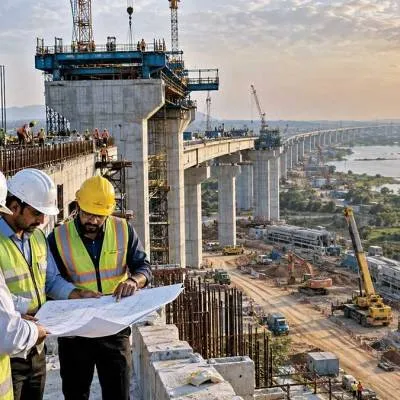
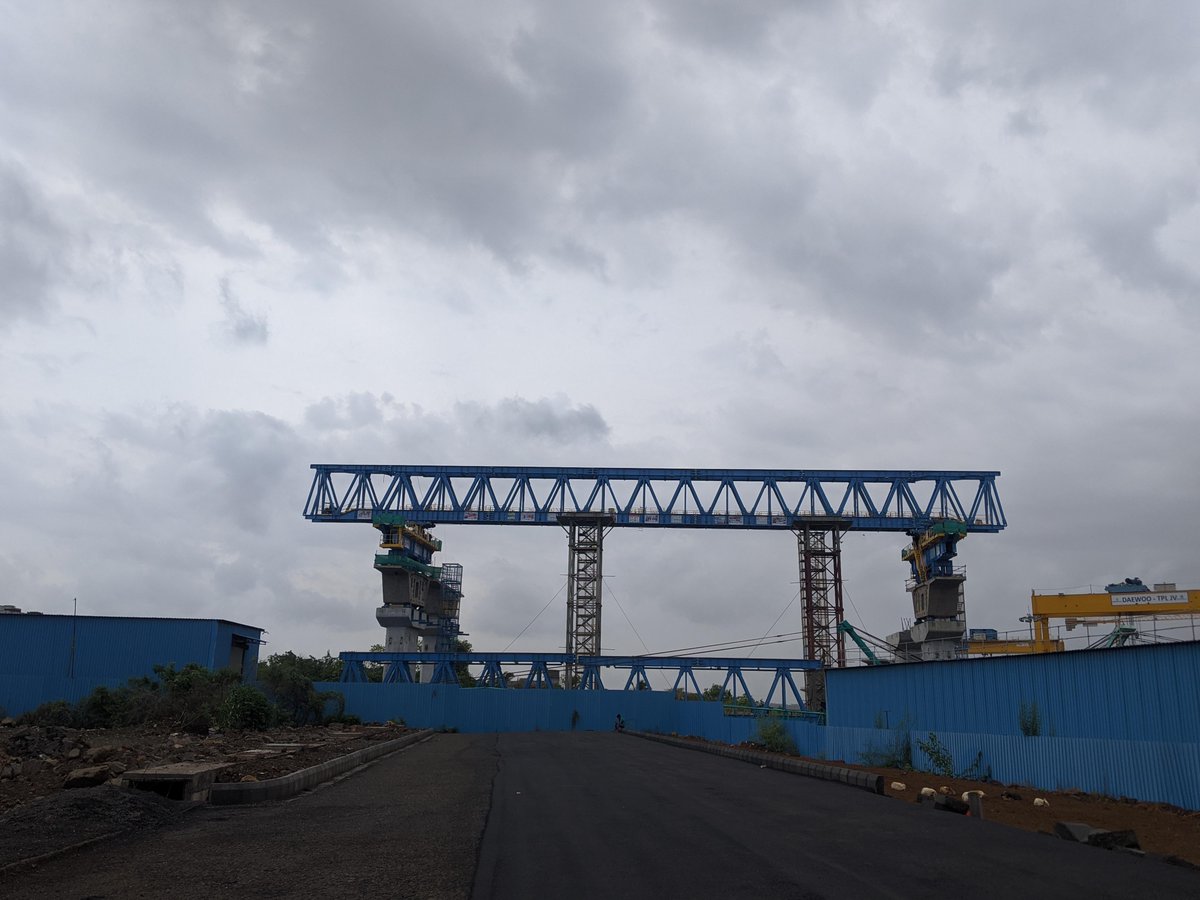
The under-construction Sewri-Nhava Sheva trans-harbour link will enter into a phase of complex construction activity.

The Mumbai Trans Harbour Link (MTHL) of 22 km long, India's longest sea link, is to install its first orthotropic steel decks, which will enable spans up to six times more than usual.

According to Mumbai Metropolitan Region Development Authority (MMRDA), this technology is popular in Asia, South America and the United States. It is being used for the first time in India for infrastructure projects.

Commissioner of MMRDA, SVR Srinivas, told the media that span is the distance between the two piers of the bridge. The regular girders allow a span of about 30 metres, and the orthotropic steel decks enable spans of up to 180 metres.

He said that from December, the authority would begin some complex works on the MTHL. It will launch orthotropic steel decks for the first time in India's infrastructure project.

According to an MMRDA official, the bridge design was chosen as the most preferable for the 22 km long MTHL. It will help to accelerate the construction and give a longer life to the bridge at a relatively economical cost.

The trans-harbour will be a major connector to the Navi Mumbai International Airport. It will provide easy access to mainland Maharashtra and speed up the development process in Navi Mumbai.

The project is expected to be completed by 2022. The cost of MTHL has been made in three packages at Rs 17,843 crore, with a total construction cost of Rs 14,262 crore. It is among the most expensive infrastructure projects in India. The project sought a loan taken from the Japan International Cooperation Agency.

Contractors have claimed a 5-15% increase in construction cost, with more barges and delays due to the Covid-19 pandemic.

Image Source

Also read: Mumbai Trans Harbour Link: 52% work completed

The under-construction Sewri-Nhava Sheva trans-harbour link will enter into a phase of complex construction activity. The Mumbai Trans Harbour Link (MTHL) of 22 km long, India's longest sea link, is to install its first orthotropic steel decks, which will enable spans up to six times more than usual. According to Mumbai Metropolitan Region Development Authority (MMRDA), this technology is popular in Asia, South America and the United States. It is being used for the first time in India for infrastructure projects. Commissioner of MMRDA, SVR Srinivas, told the media that span is the distance between the two piers of the bridge. The regular girders allow a span of about 30 metres, and the orthotropic steel decks enable spans of up to 180 metres. He said that from December, the authority would begin some complex works on the MTHL. It will launch orthotropic steel decks for the first time in India's infrastructure project. According to an MMRDA official, the bridge design was chosen as the most preferable for the 22 km long MTHL. It will help to accelerate the construction and give a longer life to the bridge at a relatively economical cost. The trans-harbour will be a major connector to the Navi Mumbai International Airport. It will provide easy access to mainland Maharashtra and speed up the development process in Navi Mumbai. The project is expected to be completed by 2022. The cost of MTHL has been made in three packages at Rs 17,843 crore, with a total construction cost of Rs 14,262 crore. It is among the most expensive infrastructure projects in India. The project sought a loan taken from the Japan International Cooperation Agency. Contractors have claimed a 5-15% increase in construction cost, with more barges and delays due to the Covid-19 pandemic. Image Source Also read: Mumbai Trans Harbour Link: 52% work completed

Next Story
Infrastructure Transport

Kavach 4.0 Commissioned on Delhi–Mumbai and Delhi–Howrah

"Kavach version four has been commissioned on 1,452 route km, covering the high density Delhi–Mumbai and Delhi–Howrah corridors. The rollout included laying 8,570 km of optical fibre, installation of 1,100 telecom towers, deployment of trackside equipment over 6,776 RKm and establishment of 767 station data centres. Trackside implementation has been taken up on 24,427 RKm covering Golden Quadrilateral, Golden Diagonal and High Density Network sections. The programme aims to strengthen signalling and train protection on key routes.Kavach is an indigenously developed automatic train protecti..

Next Story
Infrastructure Transport

Railways Advance Kalyan–Murbad Line And Mumbai Capacity Expansion

"Indian Railways is advancing multiple rail infrastructure projects in Maharashtra, including the sanctioned Kalyan–Murbad new line and sizable investments under the Mumbai Urban Transport Project and the Mumbai–Ahmedabad High Speed Rail project. The Kalyan–Murbad 28 km new line has been sanctioned at Rs 8.36 billion (bn) on a 50:50 cost-sharing basis with the Government of Maharashtra and has been declared a Special Railway Project for land acquisition; proposals covering 214 hectares are at various stages of acquisition. Budgetary outlay for projects falling fully or partly in Maharash..

Next Story
Infrastructure Urban

Parliamentary Panel Flags Funding Gaps in Heavy Industries

"The Department-Related Parliamentary Standing Committee on Industry (Rajya Sabha) presented its 332nd report on the Demands for Grants 2026-27 of the Ministry of Heavy Industries (MHI). Figures converted from crore and lakh are expressed in million (mn). The Budget Estimates 2026-27 for the Ministry stand at Rs 79,399 mn against a projected requirement of Rs 94,843.2 mn, a shortfall of about 16 per cent, with revenue at Rs 79,370.8 mn and capital compressed to Rs 28.2 mn from Rs 5,020 mn.The committee flagged recurring BE-to-RE compression and declining revised estimate utilisation, and calle..

Advertisement

Subscribe to Our Newsletter

Get daily newsletters around different themes from Construction world.

STAY CONNECTED

Advertisement

Advertisement

Advertisement