+
Bengaluru Airport Metro Line Targeted For 2027 Launch
RAILWAYS & METRO RAIL

Bengaluru Airport Metro Line Targeted For 2027 Launch

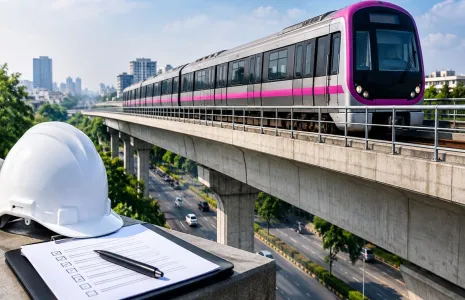
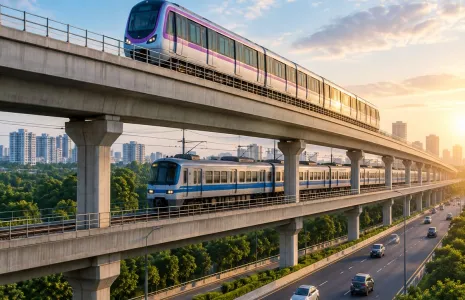
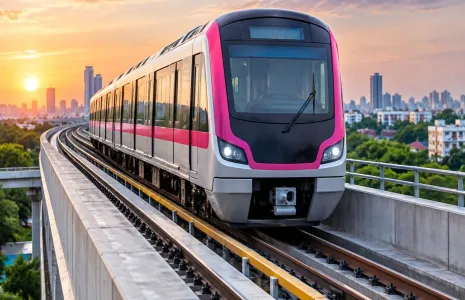
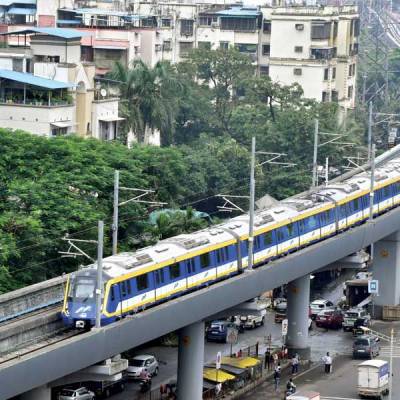
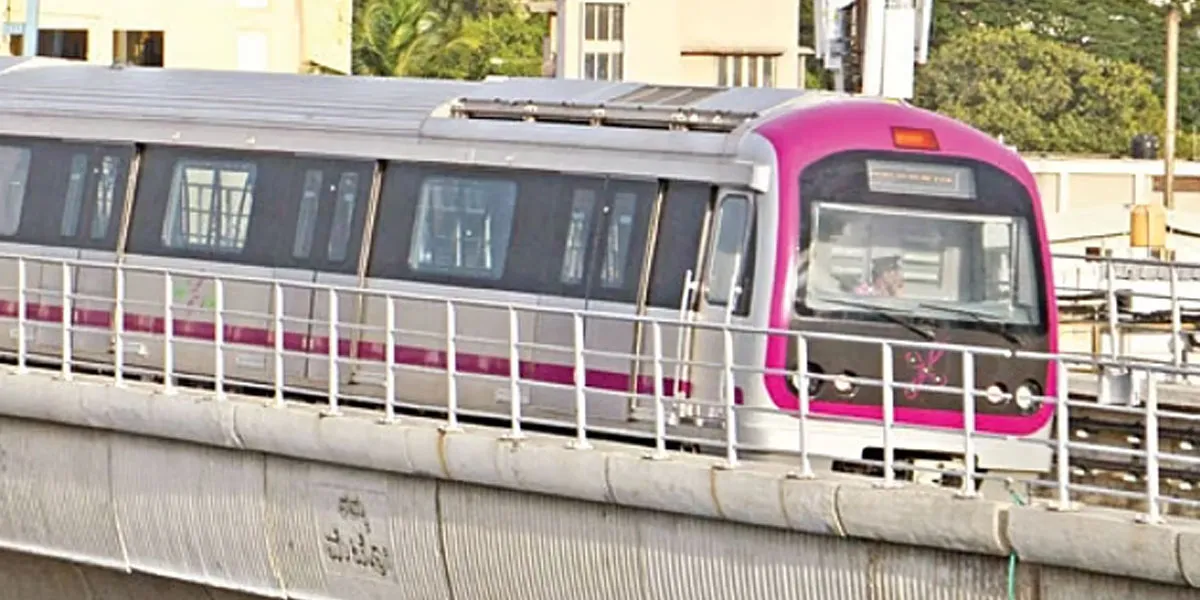
Bengaluru Metro Rail Corporation Limited has set an end-2027 target to make the city’s long-awaited Airport Metro line operational. Once completed, the addition will take Bengaluru’s Metro network to a total length of 175 kilometres, marking the largest single expansion in the system’s history.

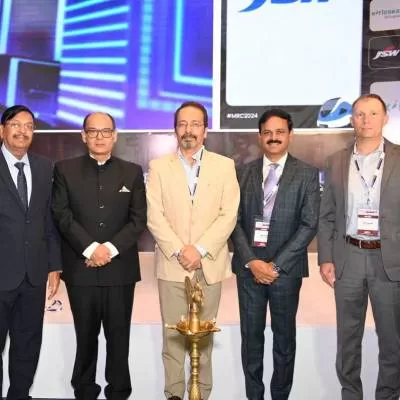
The update was shared by Abhai Kumar Rai, Adviser (Civil) at BMRCL, during a panel discussion titled Sustainability in Action: Bengaluru’s Urban Challenge. The session was jointly organised by the Bangalore Chamber of Industry and Commerce and The Energy and Resources Institute.

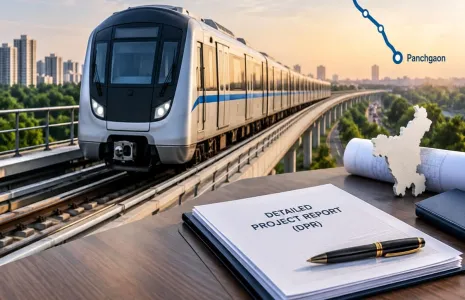
Rai outlined BMRCL’s broader expansion roadmap, noting that Phase 3 of the Metro, spanning 44 kilometres, is currently under construction. Detailed Project Reports for Phase 3A, covering 36 kilometres, have been prepared and are awaiting approval. In parallel, feasibility studies are under way for more than 200 kilometres of future corridors to meet Bengaluru’s long-term mobility requirements.

He also highlighted the adoption of energy-efficient technologies within Metro operations, including regenerative braking systems, which are delivering energy savings of over 30 per cent.

The panel discussion brought together experts from the mobility, water, climate and infrastructure sectors. Key issues debated included fragmented urban mobility, water security challenges and gaps between regulatory frameworks and on-ground implementation. Rajesh Kumar Jha, Chairman of BCIC’s Sustainability Expert Committee, said responsible development combined with environmental stewardship can strengthen Bengaluru’s urban character.

The event also witnessed the signing of a memorandum of understanding between BCIC and the GRIHA Council to promote sustainable infrastructure and green building practices across the city’s industrial and corporate sectors.

In addition, Springer launched the book Best Practices in Sustainable Built Environments – Case Studies from India and Australia, which showcases applied research and frameworks supporting sustainable urban transformation.

Bengaluru Metro Rail Corporation Limited has set an end-2027 target to make the city’s long-awaited Airport Metro line operational. Once completed, the addition will take Bengaluru’s Metro network to a total length of 175 kilometres, marking the largest single expansion in the system’s history. The update was shared by Abhai Kumar Rai, Adviser (Civil) at BMRCL, during a panel discussion titled Sustainability in Action: Bengaluru’s Urban Challenge. The session was jointly organised by the Bangalore Chamber of Industry and Commerce and The Energy and Resources Institute. Rai outlined BMRCL’s broader expansion roadmap, noting that Phase 3 of the Metro, spanning 44 kilometres, is currently under construction. Detailed Project Reports for Phase 3A, covering 36 kilometres, have been prepared and are awaiting approval. In parallel, feasibility studies are under way for more than 200 kilometres of future corridors to meet Bengaluru’s long-term mobility requirements. He also highlighted the adoption of energy-efficient technologies within Metro operations, including regenerative braking systems, which are delivering energy savings of over 30 per cent. The panel discussion brought together experts from the mobility, water, climate and infrastructure sectors. Key issues debated included fragmented urban mobility, water security challenges and gaps between regulatory frameworks and on-ground implementation. Rajesh Kumar Jha, Chairman of BCIC’s Sustainability Expert Committee, said responsible development combined with environmental stewardship can strengthen Bengaluru’s urban character. The event also witnessed the signing of a memorandum of understanding between BCIC and the GRIHA Council to promote sustainable infrastructure and green building practices across the city’s industrial and corporate sectors. In addition, Springer launched the book Best Practices in Sustainable Built Environments – Case Studies from India and Australia, which showcases applied research and frameworks supporting sustainable urban transformation.

Next Story
Infrastructure Transport

Second Mountain Tunnel Breakthrough in Palghar Advances High Speed Rail

The Mumbai-Ahmedabad high speed rail (MAHSR) project reached a milestone with the breakthrough of a mountain tunnel in Palghar, Maharashtra. Mountain tunnel MT-six measures 454 metres long and 14.4 metres wide and will accommodate up and down tracks. The breakthrough follows MT-five near Saphale on second January 2026 and the MT-six excavation was completed from both ends using the New Austrian Tunnelling Method. The ministry reported that the tunnelling was completed within 12 months. The New Austrian Tunnelling Method is favoured for its flexibility in complex geology and irregular tunnel s..

Next Story
Infrastructure Transport

Modi Government Pushes Atmanirbhar Container Drive With BCSL MoU

The Union Government advanced a plan to create an integrated, domestically anchored container ecosystem with the signing of a Memorandum of Understanding to establish the Bharat Container Shipping Line (BCSL). The MoU was signed by key agencies including the Shipping Corporation of India and Container Corporation of India alongside major port authorities and Sagarmala Finance Corporation Limited under the Ministry of Ports, Shipping and Waterways, in the presence of senior ministers. The initiative aligns with the Container Manufacturing Assistance Scheme announced in the Union Budget 2026–2..

Next Story
Infrastructure Urban

Ministry Reports Gains In Mobility For Marginalised Communities

The Ministry of Social Justice and Empowerment is implementing skill development, education and rehabilitation schemes to promote socio-economic mobility and sustainable livelihoods for marginalised and disadvantaged communities across the country. Programmes target Scheduled Castes, Other Backward Classes, Economically Weaker Sections, De-notified Tribes and Safai Karamcharis through specialised implementing corporations and empanelled training institutes. Pradhan Mantri Dakshata Aur Kushalta Sampann Hitgrahi Yojana, or PM-DAKSH, provided skill training and placement support through the Nati..

Advertisement

Subscribe to Our Newsletter

Get daily newsletters around different themes from Construction world.

STAY CONNECTED

Advertisement

Advertisement

Advertisement

Open In App