
Bengaluru Metro Aims for 175 km
RAILWAYS & METRO RAIL

Bengaluru Metro Aims for 175 km

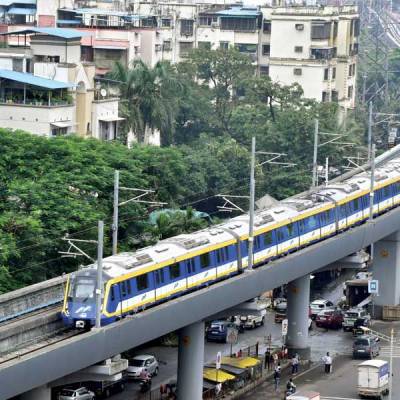
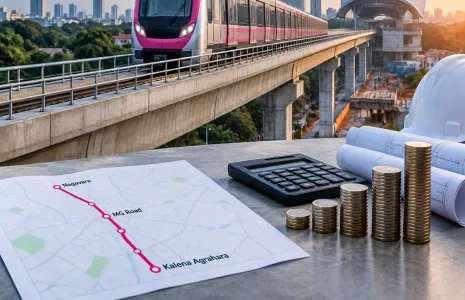
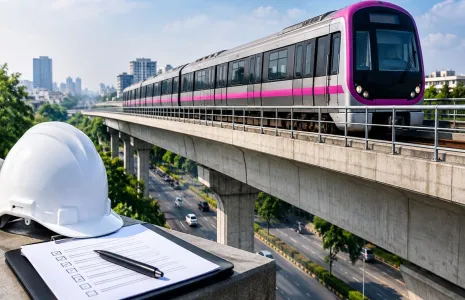
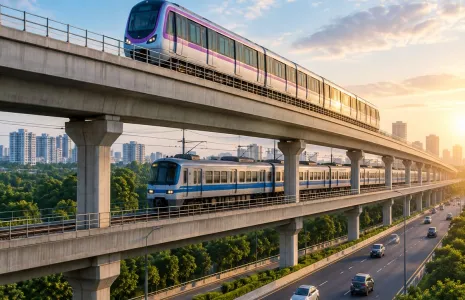
Bengaluru’s metro network is on track to expand significantly, targeting a total length of 175 km by 2026. This ambitious development under the Namma Metro initiative seeks to establish seamless connectivity across the city, addressing traffic congestion and promoting sustainable urban mobility.

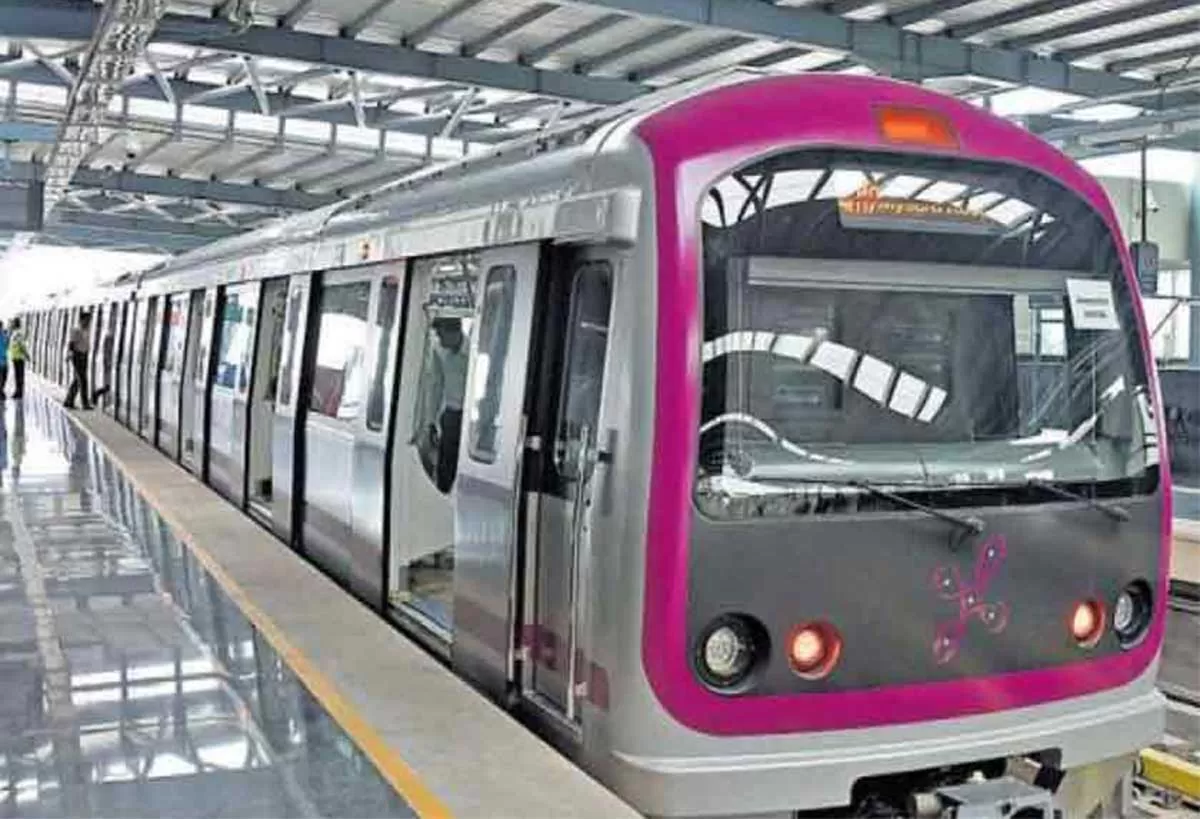
The expansion includes ongoing construction of multiple metro corridors, such as the Purple Line and the Outer Ring Road-Airport Line, aimed at connecting vital city hubs, commercial zones, and residential areas. Key features include advanced metro stations, integration with bus services, and provisions for last-mile connectivity to ensure commuter convenience.

The Bengaluru Metro Rail Corporation Limited (BMRCL) is implementing advanced technologies and green practices, emphasizing energy efficiency and reduced carbon emissions. The project aligns with the city’s larger goal of creating a robust public transport system to cater to its rapidly growing population.

With the expansion, travel times across the city will be drastically reduced, improving accessibility to employment hubs and educational institutions.

Bengaluru’s metro network is on track to expand significantly, targeting a total length of 175 km by 2026. This ambitious development under the Namma Metro initiative seeks to establish seamless connectivity across the city, addressing traffic congestion and promoting sustainable urban mobility. The expansion includes ongoing construction of multiple metro corridors, such as the Purple Line and the Outer Ring Road-Airport Line, aimed at connecting vital city hubs, commercial zones, and residential areas. Key features include advanced metro stations, integration with bus services, and provisions for last-mile connectivity to ensure commuter convenience. The Bengaluru Metro Rail Corporation Limited (BMRCL) is implementing advanced technologies and green practices, emphasizing energy efficiency and reduced carbon emissions. The project aligns with the city’s larger goal of creating a robust public transport system to cater to its rapidly growing population. With the expansion, travel times across the city will be drastically reduced, improving accessibility to employment hubs and educational institutions.

Next Story
Infrastructure Transport

Tripura Rail Survey Approved For Jirania–Bodhjung Link

The Ministry of Railways has approved a Final Location Survey (FLS) for a proposed new railway line between Jirania and Bodhjung Nagar in Tripura. The planned section will span 14 km and is estimated to cost around Rs 4.2 million, with the entire alignment located within West Tripura district. The approval marks a key step towards strengthening railway infrastructure and supporting industrial growth in the state. Bodhjung Nagar is Tripura’s principal industrial and commercial hub, developed mainly for resource-based industries such as rubber, bamboo and food processing. The proposed Jirania..

Next Story
Infrastructure Transport

MCF Raebareli Rolls Out Its 15,000th Passenger Coach

The Modern Coach Factory (MCF) in Raebareli, Uttar Pradesh, has reached a major production milestone with the manufacture of its 15,000th passenger coach on December 15, the Ministry of Railways said. During the current financial year 2025–26, the unit has produced a total of 1,310 coaches so far. Established in 2007 at Lalganj in Raebareli, MCF is among India’s most advanced passenger coach manufacturing facilities. Built at a cost of around Rs 31.92 billion, the factory has an installed annual capacity of 1,000 coaches and is located about 3 km from Lalganj on the Kanpur–Raebareli Roa..

Next Story
Infrastructure Transport

RVNL Wins Gandak River Rail Bridge Contract

Rail Vikas Nigam Limited (RVNL) has received a Letter of Award from North Eastern Railway for a major railway infrastructure project valued at Rs 1.65 billion. The contract relates to the construction of the substructure for a key railway bridge over the Gandak River. The bridge will be constructed between Paniyahwa and Valmikinagar stations as part of the doubling of the Gorakhpur Cantt–Valmikinagar railway section. Designed to enhance capacity and operational efficiency, the structure will comprise 14 spans of 61 metres each and will be supported by double D-type well foundations. The des..

Advertisement

Subscribe to Our Newsletter

Get daily newsletters around different themes from Construction world.

STAY CONNECTED

Advertisement

Advertisement

Advertisement

Advertisement

Open In App