Bhopal Yard Gets Fibre-Optic Rail Signal Upgrade
RAILWAYS & METRO RAIL

Bhopal Yard Gets Fibre-Optic Rail Signal Upgrade

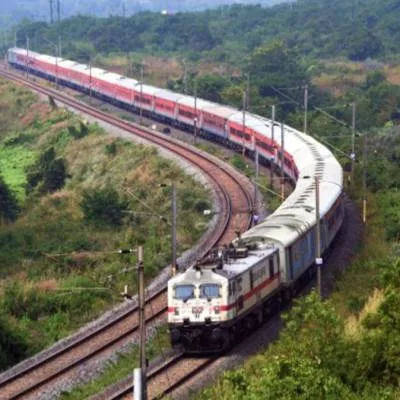
The Bhopal Division of West Central Railway has begun operating a state-of-the-art fibre-optic-based signalling system at the strategically important Nishatpura yard—marking a key step in India’s transition to smart and resilient rail infrastructure.

Replacing traditional copper wiring, the new system offers real-time digital communication between the control centre and trackside signals. It is expected to significantly enhance safety, operational reliability, and energy efficiency—especially critical in high-traffic areas such as Bhopal, where both industrial freight and passenger movement are heavy.

At the core of the upgrade is the Lamp Output Module (LOM), a digital interface that delivers instantaneous signal commands via optical fibre lines. The system includes built-in redundancy: should the main line fail, an auxiliary connection takes over without delay, ensuring uninterrupted visual signalling. Other features include an automatic temperature control mechanism, where cooling fans activate only as required to protect components—minimising maintenance and prolonging service life.

Fibre-based signalling also reduces dependence on copper—a resource-intensive material—and supports longer transmission distances with minimal interference. This aligns with Indian Railways’ broader shift towards low-carbon, digital-first operations. The initiative dovetails with the national goal of carbon neutrality by 2070 and is a part of Indian Railways’ push for modern, climate-smart public transport.

The Nishatpura yard pilot is now set to expand to the Bhopal–Bina corridor, with phased deployment targeted for completion by June 2026. Once operational, it is expected to increase signalling precision, improve passenger safety, and optimise freight logistics across central India. As Indian Railways continues to modernise, the fibre-optic upgrade stands as a benchmark in efficient, green railway transformation.

"Join industry leaders at RAHSTA Expo, India's premier platform for roads, highways and traffic infrastructure. Register now to explore innovations, network with experts and shape the future of mobility."

The Bhopal Division of West Central Railway has begun operating a state-of-the-art fibre-optic-based signalling system at the strategically important Nishatpura yard—marking a key step in India’s transition to smart and resilient rail infrastructure.Replacing traditional copper wiring, the new system offers real-time digital communication between the control centre and trackside signals. It is expected to significantly enhance safety, operational reliability, and energy efficiency—especially critical in high-traffic areas such as Bhopal, where both industrial freight and passenger movement are heavy.At the core of the upgrade is the Lamp Output Module (LOM), a digital interface that delivers instantaneous signal commands via optical fibre lines. The system includes built-in redundancy: should the main line fail, an auxiliary connection takes over without delay, ensuring uninterrupted visual signalling. Other features include an automatic temperature control mechanism, where cooling fans activate only as required to protect components—minimising maintenance and prolonging service life.Fibre-based signalling also reduces dependence on copper—a resource-intensive material—and supports longer transmission distances with minimal interference. This aligns with Indian Railways’ broader shift towards low-carbon, digital-first operations. The initiative dovetails with the national goal of carbon neutrality by 2070 and is a part of Indian Railways’ push for modern, climate-smart public transport.The Nishatpura yard pilot is now set to expand to the Bhopal–Bina corridor, with phased deployment targeted for completion by June 2026. Once operational, it is expected to increase signalling precision, improve passenger safety, and optimise freight logistics across central India. As Indian Railways continues to modernise, the fibre-optic upgrade stands as a benchmark in efficient, green railway transformation.

Next Story
Real Estate

Pecan Realty Completes Rs 1.5 Billion Transactions

Pecan Realty has recently completed four institutional transactions worth over Rs 1.5 billion over the past two years, strengthening its position as an execution-led real estate platform. The deals include resolution-led acquisitions, structured finance transactions and capital partnerships across its development portfolio.The transactions covered acquisitions through the National Company Law Tribunal process and helped provide repayment or exits to both private and public sector lenders. The company said the deals demonstrate its ability to resolve complex project situations, work with instit..

Next Story
Real Estate

SNN Estates Expands North Bengaluru Housing Project

SNN Estates has announced an expansion of its SNN Estates Felicity residential project in North Bengaluru following strong buyer demand, with 75 per cent of the first-phase inventory sold within three days of launch.The developer will add 76 apartments in the new phase, taking the project's estimated revenue potential to around Rs 1,000 crore upon completion of Phase 2.Spread across 6.5 acres in Rachenahalli, near Manyata Tech Park, the project comprises 604 apartments in 1.5, 2, 2.5, 3 and 4 BHK configurations. The development includes a 50,000-sq-ft clubhouse with amenities such as sports co..

Next Story
Infrastructure Urban

SCG Drives ASEAN Industrial Transformation Strategy

SCG is strengthening its focus on ASEAN as a key growth region by advancing industrial transformation, enhancing competitiveness and building resilient regional value chains. Thammasak Sethaudom, President and Chief Executive Officer, SCG, highlighted the need for industries to continuously develop capabilities, strengthen resilience and deepen regional cooperation to achieve sustainable long-term growth.SCG views ASEAN as an important growth engine alongside China, supported by favourable demographics, trade connectivity and investment flows. With ASEAN’s GDP projected to grow by around 4.7..

Advertisement

Subscribe to Our Newsletter

Get daily newsletters around different themes from Construction world.

STAY CONNECTED

Advertisement

Advertisement

Advertisement