Chennai Rolls Out AI-Driven Transport Ahead Of 2026
RAILWAYS & METRO RAIL

Chennai Rolls Out AI-Driven Transport Ahead Of 2026

Chennai is entering 2026 with a major shift towards artificial intelligence–enabled urban transport, integrating driverless metro trains, adaptive traffic signals and digital transit platforms to deliver faster, safer and more efficient mobility across the city.

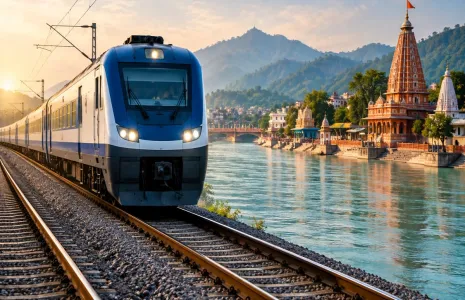
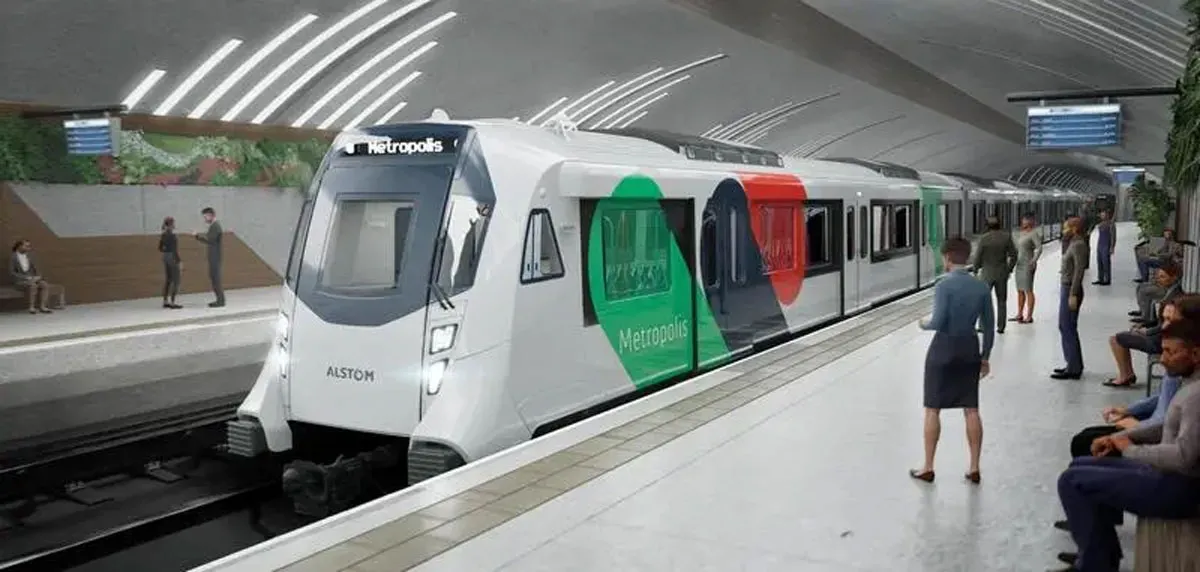
Chennai Metro Rail Limited plans to deploy 32 driverless train sets across its Phase II corridors as part of this transition. The metro operator has awarded a contract worth Rs 15.38 billion to Alstom for the supply of 32 automated train sets, comprising 96 coaches, to operate over 118.9 km across three Phase II corridors. The trains will use unattended train operation technology (GOA-4), allowing automated control of movement, speed, station stops and door operations, with oversight maintained at the operations control centre to manage emergencies and service disruptions.

Alstom India is deploying AI across train design, signalling and predictive maintenance. Continuous data feedback enables optimisation of schedules and maintenance cycles, reducing downtime while improving reliability. The company said AI models are continuously tested and retrained to respond to unforeseen conditions, while retaining the ability for human intervention when required.

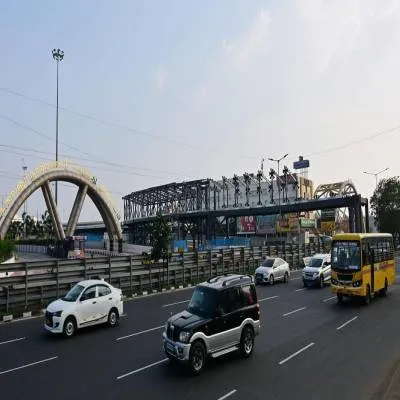
AI is also transforming road transport management in the city. The Greater Chennai Traffic Police has implemented adaptive traffic signals at key junctions, enabling real-time adjustments based on vehicle density and helping ease congestion during peak hours. Meanwhile, the Metropolitan Transport Corporation has rolled out GPS-based fleet management across its bus network, reducing vehicle bunching and providing commuters with accurate, real-time arrival information.

At the planning and integration level, the Chennai Unified Metropolitan Transport Authority is digitally unifying multiple transport modes. Fare collection, season tickets and route information are being integrated on a single platform, reducing manual processes and generating data to guide infrastructure planning. Predictive analysis of commuter movement has already informed projects such as the Kilambakkam skywalk and upgrades at Tambaram and Guindy stations, improving intermodal connectivity and pedestrian access.

The city’s experience in 2025 also highlighted the limits of automation. During heavy monsoon flooding, human intervention was essential for traffic diversion, bus route adjustments and extended metro operations. Officials noted that while AI enhances efficiency, it does not replace manpower. Future plans include intelligent traffic corridors, such as the Alandur–Airport stretch, and signal systems capable of detecting emergency vehicles, underscoring Chennai’s strategy of combining AI, predictive analytics and human oversight to build a resilient urban transport system.

Chennai is entering 2026 with a major shift towards artificial intelligence–enabled urban transport, integrating driverless metro trains, adaptive traffic signals and digital transit platforms to deliver faster, safer and more efficient mobility across the city. Chennai Metro Rail Limited plans to deploy 32 driverless train sets across its Phase II corridors as part of this transition. The metro operator has awarded a contract worth Rs 15.38 billion to Alstom for the supply of 32 automated train sets, comprising 96 coaches, to operate over 118.9 km across three Phase II corridors. The trains will use unattended train operation technology (GOA-4), allowing automated control of movement, speed, station stops and door operations, with oversight maintained at the operations control centre to manage emergencies and service disruptions. Alstom India is deploying AI across train design, signalling and predictive maintenance. Continuous data feedback enables optimisation of schedules and maintenance cycles, reducing downtime while improving reliability. The company said AI models are continuously tested and retrained to respond to unforeseen conditions, while retaining the ability for human intervention when required. AI is also transforming road transport management in the city. The Greater Chennai Traffic Police has implemented adaptive traffic signals at key junctions, enabling real-time adjustments based on vehicle density and helping ease congestion during peak hours. Meanwhile, the Metropolitan Transport Corporation has rolled out GPS-based fleet management across its bus network, reducing vehicle bunching and providing commuters with accurate, real-time arrival information. At the planning and integration level, the Chennai Unified Metropolitan Transport Authority is digitally unifying multiple transport modes. Fare collection, season tickets and route information are being integrated on a single platform, reducing manual processes and generating data to guide infrastructure planning. Predictive analysis of commuter movement has already informed projects such as the Kilambakkam skywalk and upgrades at Tambaram and Guindy stations, improving intermodal connectivity and pedestrian access. The city’s experience in 2025 also highlighted the limits of automation. During heavy monsoon flooding, human intervention was essential for traffic diversion, bus route adjustments and extended metro operations. Officials noted that while AI enhances efficiency, it does not replace manpower. Future plans include intelligent traffic corridors, such as the Alandur–Airport stretch, and signal systems capable of detecting emergency vehicles, underscoring Chennai’s strategy of combining AI, predictive analytics and human oversight to build a resilient urban transport system.

Next Story
Real Estate

Goldmedal Electricals Launches TurboX All-in-One Power Adaptor

Goldmedal Electricals has launched TurboX, a compact all-in-one power adaptor designed to meet the needs of modern, multi-device lifestyles. Built for everyday use and travel, TurboX combines four international sockets with two USB-A ports and one USB-C port, enabling users to charge multiple devices simultaneously without the need for multiple chargers.The adaptor has been designed with a strong focus on safety and convenience. Key features include built-in overload protection, safety shutters, a fire-retardant body and a master switch that allows users to cut power to all connected devices w..

Next Story
Infrastructure Transport

Guwahati Airport Records Highest-Ever Passenger Traffic in 2025

Lokapriya Gopinath Bardoloi International Airport (LGBIA), Guwahati, recorded its highest-ever passenger traffic in calendar year 2025, handling a total of 7.01 million passengers, according to a statement issued by the airport operator.Managed by Guwahati International Airport (GIAL), a subsidiary of Adani Airport Holdings (AAHL), the airport witnessed strong growth in both domestic and international travel during the year. Of the total passenger traffic, 3.5 million were domestic arrivals and 3.4 million were domestic departures. International traffic included 45,423 arrivals and 45,474 depa..

Next Story
Infrastructure Transport

Bhogapuram Airport to Receive First Trial Flight Today

The Alluri Sitarama Raju (Bhogapuram) International Airport in Andhra Pradesh is set to receive its first trial flight on Sunday, marking a key milestone in the development of one of the state’s most ambitious aviation projects.Union Civil Aviation Minister K Ram Mohan Naidu will fly directly from New Delhi and land at the airport at around 10.15 am as part of the trial operations. Officials said the exercise will involve a comprehensive evaluation of runway performance, air traffic coordination and ground handling systems, which are critical steps ahead of commercial certification.Located i..

Advertisement

Subscribe to Our Newsletter

Get daily newsletters around different themes from Construction world.

STAY CONNECTED

Advertisement

Advertisement

Advertisement

Advertisement

Open In App