+
Construction of Patna metro corridors 1, 2 to begin soon
RAILWAYS & METRO RAIL

Construction of Patna metro corridors 1, 2 to begin soon

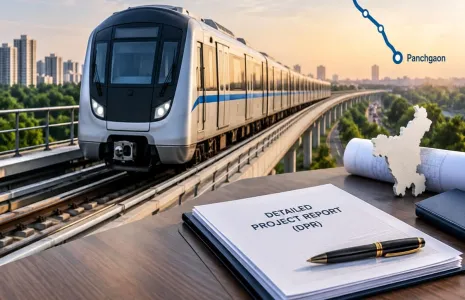
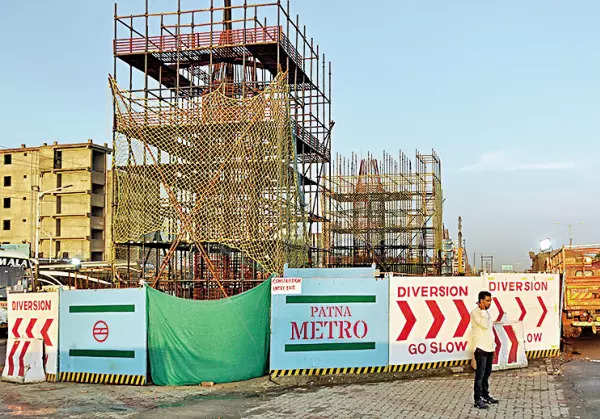
The civil construction work on the twin tunnel, six underground stations, construction of the viaduct, network on Corridor-I and seven elevated stations on Corridor-II of the Patna metro will begin in February.

The Delhi Metro Rail Corporation (DMRC) is the technical consultant for Patna Metro Rail Corporation (PMRC) and issued the letter of acceptance to the companies on 29 December.

The work on both the corridors and stations will begin from February 2022. PMRC expects a loan from the Japan International Cooperation Agency (JICA) by the end of January 2022.

Six underground stations, an underground ramp and a twin tunnel will be built with an investment of Rs 1,989 crore. The metro project has been awarded to Larsen and Toubro (L&T).

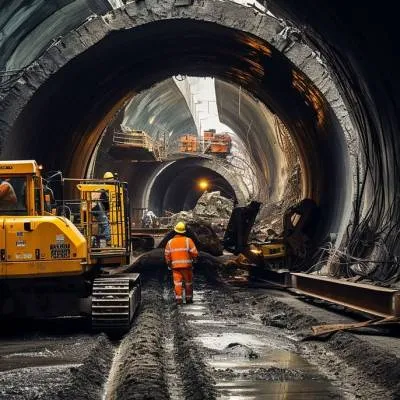
The scope of work for the Corridor-II underground construction includes designing and constructing the twin tunnels, an underground ramp at Rajendra Nagar and six underground stations.

YFC Projects will receive the contract for designing and construction of the elevated viaduct, elevated ramp at Mithapur and Patliputra and seven metro stations. The 7.39 km project has an estimated cost of construction of Rs 553 crore.

Corridor-I will have a 17.9 km long network from Danapur to Khemnichak through Meethapur, from which 10.5 km will be underground.

Officials said that 112 pillars had been erected from Malahi Pakri to Bhootnath Road, and a total of 210 pillars are to be erected for the Corridor-II network.

For Patna Inter-State Bus Terminus (ISBT) metro depot and station, the process is ongoing to acquire 76-acre land at Ranipur and Pahadi. The state will provide Rs 1,000 crore to the district administration for land acquisition.

The estimated cost of the metro project, excluding the cost of land acquisition, is Rs 13,365.77 crore.

Image Source

Also read: Patna metro rail project’s corridor 2 gains momentum

The civil construction work on the twin tunnel, six underground stations, construction of the viaduct, network on Corridor-I and seven elevated stations on Corridor-II of the Patna metro will begin in February. The Delhi Metro Rail Corporation (DMRC) is the technical consultant for Patna Metro Rail Corporation (PMRC) and issued the letter of acceptance to the companies on 29 December. The work on both the corridors and stations will begin from February 2022. PMRC expects a loan from the Japan International Cooperation Agency (JICA) by the end of January 2022. Six underground stations, an underground ramp and a twin tunnel will be built with an investment of Rs 1,989 crore. The metro project has been awarded to Larsen and Toubro (L&T). The scope of work for the Corridor-II underground construction includes designing and constructing the twin tunnels, an underground ramp at Rajendra Nagar and six underground stations. YFC Projects will receive the contract for designing and construction of the elevated viaduct, elevated ramp at Mithapur and Patliputra and seven metro stations. The 7.39 km project has an estimated cost of construction of Rs 553 crore. Corridor-I will have a 17.9 km long network from Danapur to Khemnichak through Meethapur, from which 10.5 km will be underground. Officials said that 112 pillars had been erected from Malahi Pakri to Bhootnath Road, and a total of 210 pillars are to be erected for the Corridor-II network. For Patna Inter-State Bus Terminus (ISBT) metro depot and station, the process is ongoing to acquire 76-acre land at Ranipur and Pahadi. The state will provide Rs 1,000 crore to the district administration for land acquisition. The estimated cost of the metro project, excluding the cost of land acquisition, is Rs 13,365.77 crore. Image Source Also read: Patna metro rail project’s corridor 2 gains momentum

Next Story
Infrastructure Urban

Implementation Status of Jal Jeevan Mission

Since August 2019 the Government has implemented Jal Jeevan Mission to provide assured potable water through household tap connections in rural India. At the start of the mission only 32.3 million (mn) rural households, representing 16.7 per cent, were reported to have tap water connections. States and union territories have reported that 125.8 mn additional rural households have since been provided with tap connections. As a result, of about 193.6 mn rural households roughly 158.2 mn, or 81.71 per cent, are reported to have tap water supply at home.\n\nThe State, district and village level st..

Next Story
Infrastructure Urban

Jal Jeevan Mission Reaches Eighty One Per Cent Rural Coverage

The Government reported substantial progress under the Jal Jeevan Mission, launched in August 2019 to provide tap water to every rural household. At launch only 32.3 million (mn) rural households had tap connections and states and Union territories reported provision of 125.8 mn additional households by March 2026. Consequently, out of about 193.6 mn rural households around 158.2 mn, or 81.71 per cent, are reported to have tap water at home. The Finance Minister announced extension of the mission until 2028 in the 2025-26 budget speech. The Swachh Bharat Mission Grameen, launched in October 20..

Next Story
Infrastructure Urban

Empowering Local Governance for Sustainable Rural Water Supply

The Ministry of Jal Shakti has aligned the Jal Jeevan Mission (JJM) with the 73rd Amendment to strengthen village level planning and community ownership of water supply. Gram Panchayats, village water and sanitation committees and Pani Samitis are to plan, implement, manage and maintain piped water systems, with gram sabha processes formalising handover and oversight. Implementation support agencies including non government organisations, community based organisations and self help groups have been empanelled to train local committees and promote women participation. Under JJM, the department ..

Advertisement

Subscribe to Our Newsletter

Get daily newsletters around different themes from Construction world.

STAY CONNECTED

Advertisement

Advertisement

Advertisement