Feasibility Studies Planned for North-South-East Bullet Train Corridors
RAILWAYS & METRO RAIL

Feasibility Studies Planned for North-South-East Bullet Train Corridors

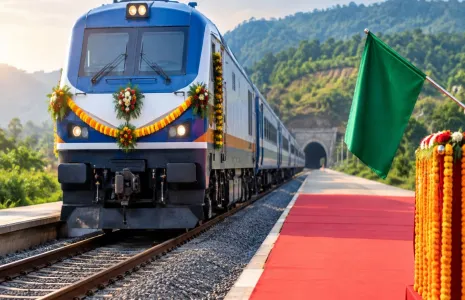
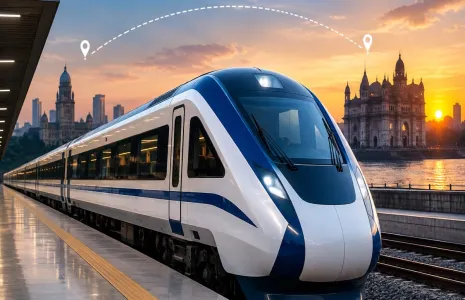
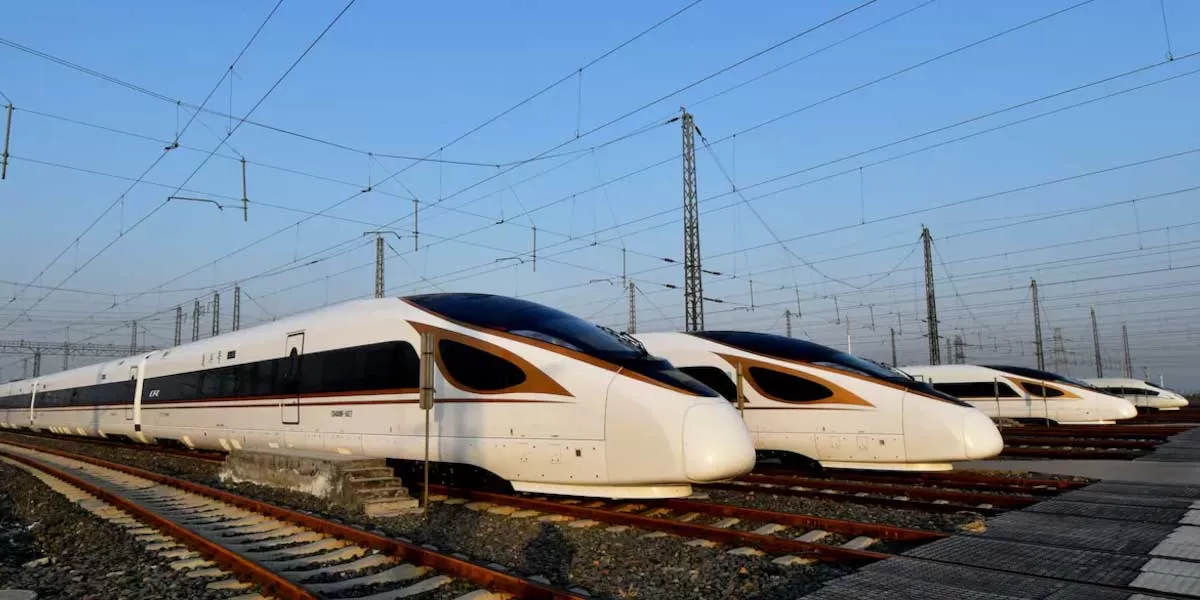
President M. Venkaiah Naidu, during his address to Parliament, announced the government's plan to conduct feasibility studies for bullet train corridors connecting North, South, and East India. These studies aim to assess the viability and potential benefits of high-speed rail connectivity across these regions.

The proposed bullet train corridors are envisioned to enhance intercity connectivity and reduce travel time significantly between major cities in North, South, and East India. This initiative aligns with India's ambition to modernise its rail infrastructure and promote sustainable transportation solutions.

President Naidu emphasised the importance of leveraging advanced technologies to transform India's transport sector, highlighting the potential economic and social benefits of high-speed rail networks. The feasibility studies will evaluate various aspects including route alignment, environmental impact, economic viability, and technological requirements.

The government's decision underscores its commitment to advancing infrastructure development in key sectors, fostering economic growth, and meeting the evolving transportation needs of a rapidly urbanising country. If implemented, these bullet train corridors could revolutionise travel experiences and stimulate regional development across North, South, and East India.

The feasibility studies mark a significant step towards realising India's vision of integrating modern transportation systems, enhancing connectivity, and promoting sustainable development across diverse geographical regions.

President M. Venkaiah Naidu, during his address to Parliament, announced the government's plan to conduct feasibility studies for bullet train corridors connecting North, South, and East India. These studies aim to assess the viability and potential benefits of high-speed rail connectivity across these regions. The proposed bullet train corridors are envisioned to enhance intercity connectivity and reduce travel time significantly between major cities in North, South, and East India. This initiative aligns with India's ambition to modernise its rail infrastructure and promote sustainable transportation solutions. President Naidu emphasised the importance of leveraging advanced technologies to transform India's transport sector, highlighting the potential economic and social benefits of high-speed rail networks. The feasibility studies will evaluate various aspects including route alignment, environmental impact, economic viability, and technological requirements. The government's decision underscores its commitment to advancing infrastructure development in key sectors, fostering economic growth, and meeting the evolving transportation needs of a rapidly urbanising country. If implemented, these bullet train corridors could revolutionise travel experiences and stimulate regional development across North, South, and East India. The feasibility studies mark a significant step towards realising India's vision of integrating modern transportation systems, enhancing connectivity, and promoting sustainable development across diverse geographical regions.

Next Story
Real Estate

Loomcraft Enters South India with Kerala Store Launch

Loomcraft has launched its exclusive store in Kerala, marking its entry into South India and a key step in its nationwide expansion strategy. The move targets a region driven by tourism and premium real estate demand, where outdoor spaces play a central role in hospitality and residential experiences.Kerala’s growing base of luxury resorts, boutique hotels, villas and gated communities has created strong demand for specialised outdoor furniture. However, the region has remained underserved, with buyers relying on imports or generic products not suited to humid, coastal and monsoon-heavy cond..

Next Story
Building Material

Mild Steel Prices Seen Rising to Rs 61,000 Per Tonne

Mild steel prices in India, currently around Rs 58,000 per tonne, are expected to rise to nearly Rs 61,000 per tonne in April, indicating an increase of about Rs 3,000 per tonne. The anticipated rise reflects structural pressures driven by geopolitical tensions, energy constraints and limited raw material availability.Ongoing global conflict has disrupted energy markets, leading to LNG shortages that are affecting domestic steel production. Small and mid-sized manufacturers, particularly those dependent on gas-based processes, are witnessing production cuts due to constrained energy supply, re..

Next Story
Infrastructure Urban

Vedanta Expands Transgender Workforce to 75 Employees

Vedanta has strengthened its commitment to workplace inclusion by employing 75 transgender individuals across its businesses, including Vedanta Aluminium, Hindustan Zinc, Sesa Goa, FACOR and Cairn Oil & Gas. The initiative reflects sustained hiring efforts since 2022 to build equitable opportunities across operations, corporate and technical roles.Transgender employees are engaged in functions such as operations, finance, logistics, HR, CSR, healthcare and security, with provisions for internal mobility to support career progression. The company has implemented structured policies, includi..

Advertisement

Subscribe to Our Newsletter

Get daily newsletters around different themes from Construction world.

STAY CONNECTED

Advertisement

Advertisement

Advertisement